


 By
By 🔐 Cyber Security in Computers
1️⃣ Introduction to Cyber Security
Cyber Security in computers refers to the protection of computer systems, networks, software, and data from digital attacks. These attacks are usually aimed at accessing, changing, or destroying sensitive information, extorting money, or interrupting normal business processes. In today’s digital world, almost everything depends on computers — banking, education, healthcare, government services, and communication. Because of this heavy dependence, protecting computer systems has become extremely important.
Cyber security ensures confidentiality (data is private), integrity (data is accurate and not altered), and availability (data is accessible when needed). These three principles are known as the CIA Triad, which forms the foundation of computer security.
2️⃣ Types of Cyber Threats
Cyber threats are harmful activities that target computer systems. Some common types include:
🔹 Malware
Malware means “malicious software.” It includes:
- Virus – Spreads from one computer to another and damages files.
- Ransomware – Locks files and demands money to unlock them.
- Trojan Horse – Looks like a legitimate program but contains harmful code.
- Spyware – Secretly collects user information.
🔹 Phishing
Phishing is a method where attackers send fake emails or messages pretending to be trusted organizations like banks. The goal is to steal login details, passwords, or credit card information.
🔹 Hacking
Hacking is unauthorized access to computer systems. Hackers may steal data, modify information, or disrupt services.
🔹 Denial of Service (DoS)
In a DoS attack, hackers flood a system with too much traffic, causing it to crash or become unavailable.
3️⃣ Importance of Cyber Security
Cyber security is important for individuals, businesses, and governments.
- For Individuals: Protects personal information like passwords, photos, and bank details.
- For Businesses: Prevents financial losses and protects customer data.
- For Governments: Protects national security and sensitive data.
Without proper security, companies can lose millions of dollars and damage their reputation. For example, large technology companies like Microsoft and Google invest billions in cyber security to protect their systems and users.
4️⃣ Key Components of Computer Cyber Security
🔐 Network Security
Network security protects computer networks from unauthorized access. It includes firewalls, intrusion detection systems, and secure routers.
🛡 Application Security
Application security ensures that software and applications are secure from threats. Developers use secure coding practices and regular updates.
🔑 Information Security
Information security protects sensitive data from being accessed or modified by unauthorized users.
👤 Identity and Access Management (IAM)
IAM ensures that only authorized users can access specific resources. This includes passwords, biometric authentication, and two-factor authentication (2FA).
5️⃣ Common Security Tools
✅ Antivirus Software
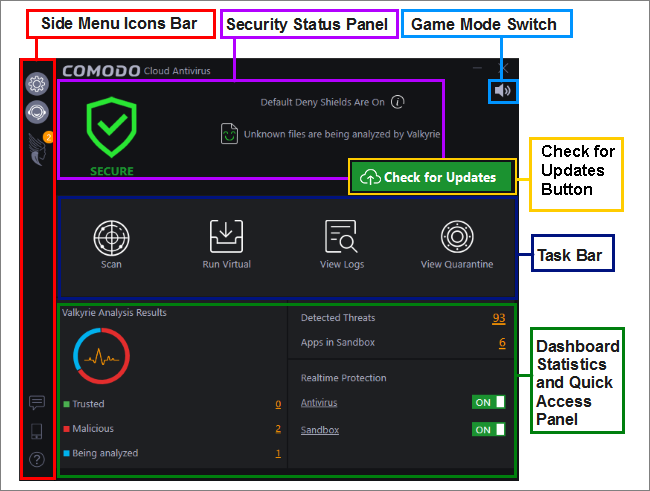
Antivirus programs detect and remove malware from computers.
✅ Firewall
A firewall acts as a barrier between a trusted network and an untrusted network like the internet.
✅ Encryption
Encryption converts data into coded form so that unauthorized users cannot read it.
✅ Two-Factor Authentication (2FA)
2FA adds an extra layer of security by requiring two forms of verification.
6️⃣ Careers in Cyber Security
Cyber security is one of the fastest-growing career fields in the world. Some popular job roles include:
- Cyber Security Analyst
- Ethical Hacker
- Network Security Engineer
- Security Consultant
- Information Security Manager
Many professionals earn certifications such as CEH (Certified Ethical Hacker) and CISSP (Certified Information Systems Security Professional).
7️⃣ Best Practices for Cyber Safety
Individuals can follow simple steps to stay safe:
- Use strong passwords.
- Do not click on unknown links.
- Install antivirus software.
- Keep software updated.
- Avoid using public Wi-Fi for sensitive transactions.
- Backup important data regularly.
Cyber awareness is the first step toward protection.
8️⃣ Future of Cyber Security
As technology grows, cyber threats are also becoming more advanced. New technologies like Artificial Intelligence (AI), cloud computing, and the Internet of Things (IoT) bring new security challenges. Companies are now using AI-based security systems to detect threats quickly and automatically.
Governments around the world are creating strict cyber laws and policies to prevent digital crimes. The demand for cyber security experts will continue to increase in the coming years.
🔚 Conclusion
Cyber security in computers is essential in today’s digital era. With increasing cyber attacks and data breaches, protecting computer systems is not optional — it is necessary. By understanding different types of threats, using security tools, and following safe practices, individuals and organizations can reduce risks and protect valuable information.
In simple words, cyber security is like a digital lock that keeps our computer world safe and secure. 🔐
do follow us instagram