


 By
By Mental health has become one of the most discussed and important health topics in recent years. In a world driven by deadlines, digital screens, social pressure, and constant change, mental well-being is no longer a personal issue—it is a global health priority. Experts agree that taking care of mental health is essential not only for emotional balance but also for physical health, productivity, and overall quality of life.
The Growing Importance of Mental Health
Mental health refers to a person’s emotional, psychological, and social well-being. It affects how individuals think, feel, act, handle stress, relate to others, and make decisions. Conditions such as stress, anxiety, depression, and burnout are increasingly common across all age groups, from students to working professionals and even senior citizens.
Modern lifestyles often involve long working hours, lack of physical activity, irregular sleep patterns, and constant exposure to digital devices. These factors contribute significantly to mental fatigue and emotional stress. As a result, mental health awareness is gaining attention in healthcare systems, workplaces, schools, and communities.
Breaking the Stigma Around Mental Health
One of the biggest challenges related to mental health is stigma. For many years, people hesitated to talk openly about mental health issues due to fear of judgment or misunderstanding. Today, this mindset is slowly changing. Celebrities, healthcare professionals, and social media campaigns are encouraging open conversations about mental well-being.
Talking openly about mental health helps people understand that seeking help is a sign of strength, not weakness. Just like physical illnesses, mental health conditions require care, support, and sometimes professional treatment.
Mental Health and Physical Health Are Connected
Mental and physical health are closely linked. Chronic stress and anxiety can lead to physical problems such as high blood pressure, heart disease, digestive issues, and weakened immunity. On the other hand, physical activity, proper nutrition, and good sleep habits can significantly improve mental well-being.
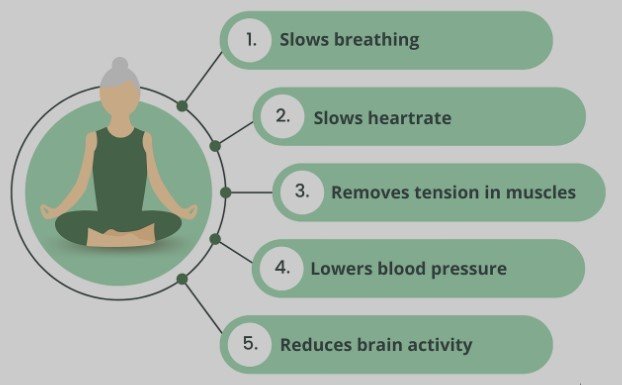
Doctors now emphasize a holistic approach to health, where mental wellness is considered just as important as physical fitness. Simple activities like walking, yoga, meditation, and breathing exercises are proven to reduce stress and improve mood.
Role of Technology in Mental Health Care
Technology is playing an important role in making mental health care more accessible. Mental health apps, online counseling platforms, and teletherapy services allow people to seek support from the comfort of their homes. These digital tools are especially helpful for those who live in remote areas or hesitate to visit clinics in person.
Apps focused on mindfulness, meditation, sleep tracking, and stress management are becoming popular. They help users build healthy routines, practice relaxation techniques, and monitor emotional well-being regularly.
Importance of Self-Care and Daily Habits
Self-care is no longer a luxury—it is a necessity. Simple daily habits can make a big difference in mental health. Maintaining a regular sleep schedule, eating nutritious food, staying hydrated, and limiting screen time are essential steps toward emotional balance.
Spending time with loved ones, engaging in hobbies, and taking short breaks during work hours help reduce stress. Journaling, listening to music, or practicing gratitude can also improve mental clarity and emotional stability.
Mental Health in Workplaces and Education
Workplaces and educational institutions are increasingly recognizing the importance of mental health. Many organizations are introducing employee wellness programs, mental health days, and counseling support. Schools and colleges are also focusing on emotional learning and stress management for students.
These initiatives not only improve mental well-being but also enhance performance, creativity, and overall satisfaction.
When to Seek Professional Help
While self-care is important, professional help should not be delayed when symptoms become overwhelming. Persistent sadness, extreme anxiety, mood changes, sleep disturbances, or loss of interest in daily activities may indicate the need for professional support.
Psychologists, psychiatrists, and counselors are trained to help individuals manage mental health conditions through therapy, counseling, and medical treatment when necessary. Early intervention often leads to better outcomes and faster recovery.
Conclusion
Mental health is a vital part of overall health and well-being. As awareness continues to grow, society is learning to value emotional balance, self-care, and open communication. Taking care of mental health is not just about avoiding illness—it is about living a fulfilling, balanced, and meaningful life.
By staying informed, practicing healthy habits, and supporting one another, we can create a future where mental well-being is prioritized and protected. After all, a healthy mind is the foundation of a healthy life.