 By
By The global health landscape in 2026 continues to evolve rapidly, driven by medical innovation, lifestyle changes, and emerging public health challenges. From advancements in preventive medicine to rising awareness around mental health, today’s health environment reflects both progress and pressing concerns. Here is a comprehensive look at the most important health updates shaping communities worldwide.
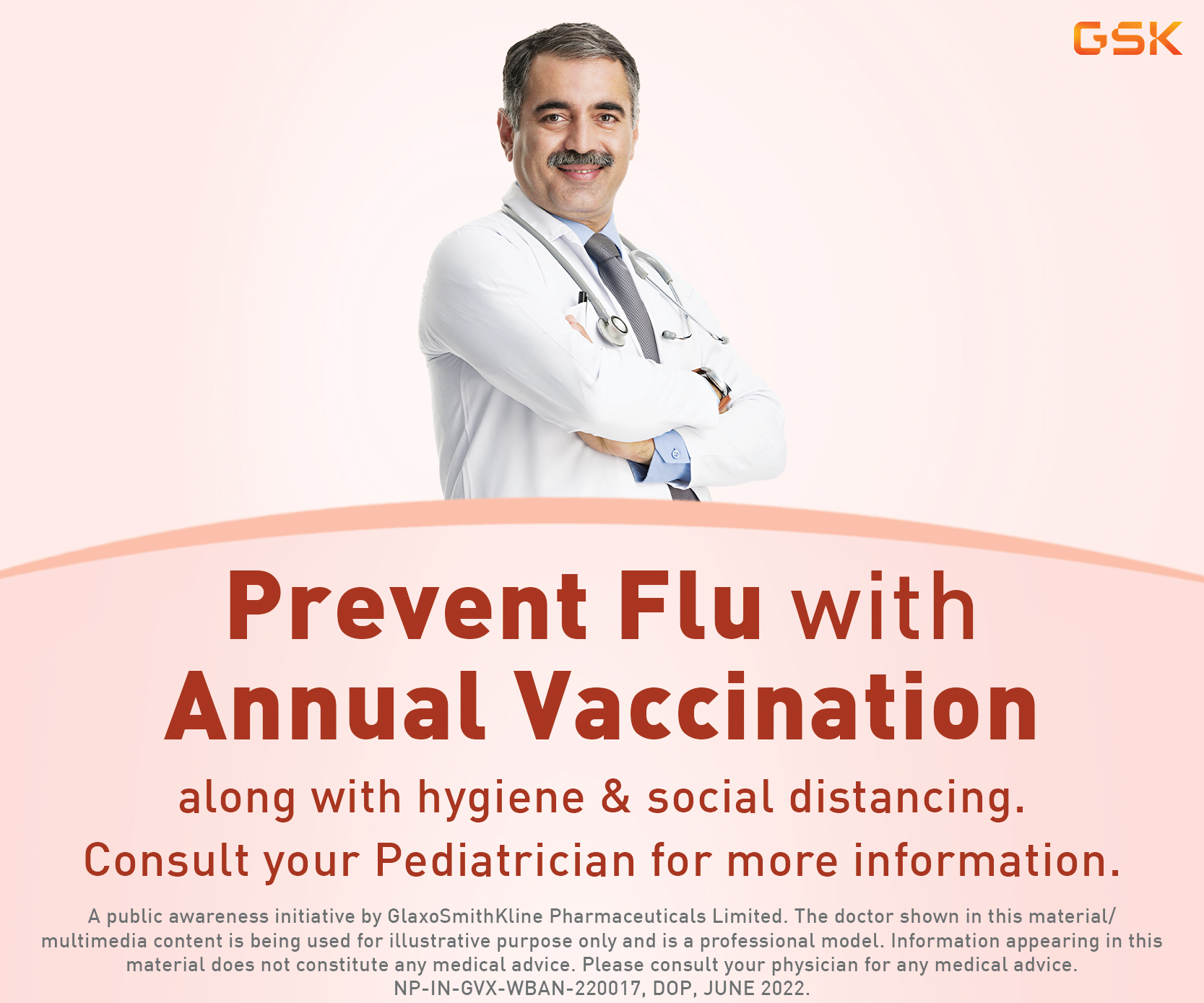
One of the most significant trends this year is the continued emphasis on preventive healthcare. Governments and health organizations are encouraging regular screenings, early diagnosis, and vaccination drives to reduce the burden of chronic and infectious diseases. Seasonal flu and respiratory infections remain under monitoring, especially in urban areas where population density increases transmission risks. Public health agencies are strengthening vaccination campaigns and awareness programs to ensure vulnerable populations, including children and the elderly, remain protected.
Chronic diseases such as diabetes, heart disease, and hypertension continue to be major health concerns globally. Sedentary lifestyles, processed food consumption, and high stress levels contribute to rising cases, particularly among younger adults. Health experts are urging individuals to adopt balanced diets rich in fruits, vegetables, and whole grains, along with consistent physical activity. Even moderate exercise—such as brisk walking for 30 minutes a day—has been shown to significantly reduce cardiovascular risks. Employers and educational institutions are also promoting wellness initiatives to encourage healthier daily habits.
Mental health awareness has gained remarkable momentum in recent years, and 2026 shows further progress. Anxiety, depression, and burnout are increasingly recognized as serious health issues rather than stigmatized topics. Work-related stress and digital overload are common contributors. Healthcare systems are expanding access to counseling services, teletherapy platforms, and community-based mental wellness programs. Schools and workplaces are implementing stress management workshops, mindfulness training, and peer-support networks to foster healthier environments.
Technology continues to transform healthcare delivery. Wearable fitness trackers and smart health devices are becoming more advanced, enabling real-time monitoring of heart rate, sleep patterns, oxygen levels, and activity. Telemedicine services are now more accessible, allowing patients to consult doctors remotely and receive digital prescriptions. This is particularly beneficial for rural communities where specialist care may be limited. Artificial intelligence tools are also assisting doctors in diagnosing diseases more accurately and quickly, improving treatment outcomes.
Nutrition trends in 2026 highlight a shift toward plant-based diets and personalized meal planning. Many people are adopting healthier eating patterns not only for weight management but also for overall well-being. Nutritionists emphasize reducing sugar intake and limiting ultra-processed foods. Hydration awareness campaigns are also gaining traction, as adequate water intake supports metabolism, digestion, and cognitive performance.
Another critical focus area is environmental health. Air pollution and climate change continue to impact respiratory and cardiovascular health worldwide. Health authorities recommend reducing exposure to polluted environments, using air purifiers indoors, and supporting green initiatives that improve environmental sustainability. Urban planning is gradually incorporating more green spaces to encourage outdoor activity and reduce pollution-related health risks.
Global infectious disease monitoring remains a priority. While major pandemics are under control, surveillance systems are active to detect and respond quickly to new variants or outbreaks. International collaboration among health organizations ensures rapid data sharing and coordinated responses. This proactive approach strengthens global preparedness and reduces the likelihood of widespread disruption.
Women’s health and maternal care have also seen positive developments. Increased access to prenatal screenings, maternal nutrition programs, and reproductive health education has improved outcomes in many regions. Awareness campaigns emphasize early detection of breast and cervical cancers, promoting regular check-ups and self-examinations.
In summary, today’s health update reflects a balanced picture of innovation and responsibility. Advances in medical technology and preventive care are empowering individuals to take control of their health. At the same time, lifestyle-related diseases and mental health challenges require continued attention. By prioritizing healthy habits, staying informed, and supporting community health initiatives, individuals can contribute to a stronger and more resilient global health system.
Health in 2026 is not just about treatment—it is about prevention, awareness, and proactive living.