


 By
By Introduction to Central Processing Unit
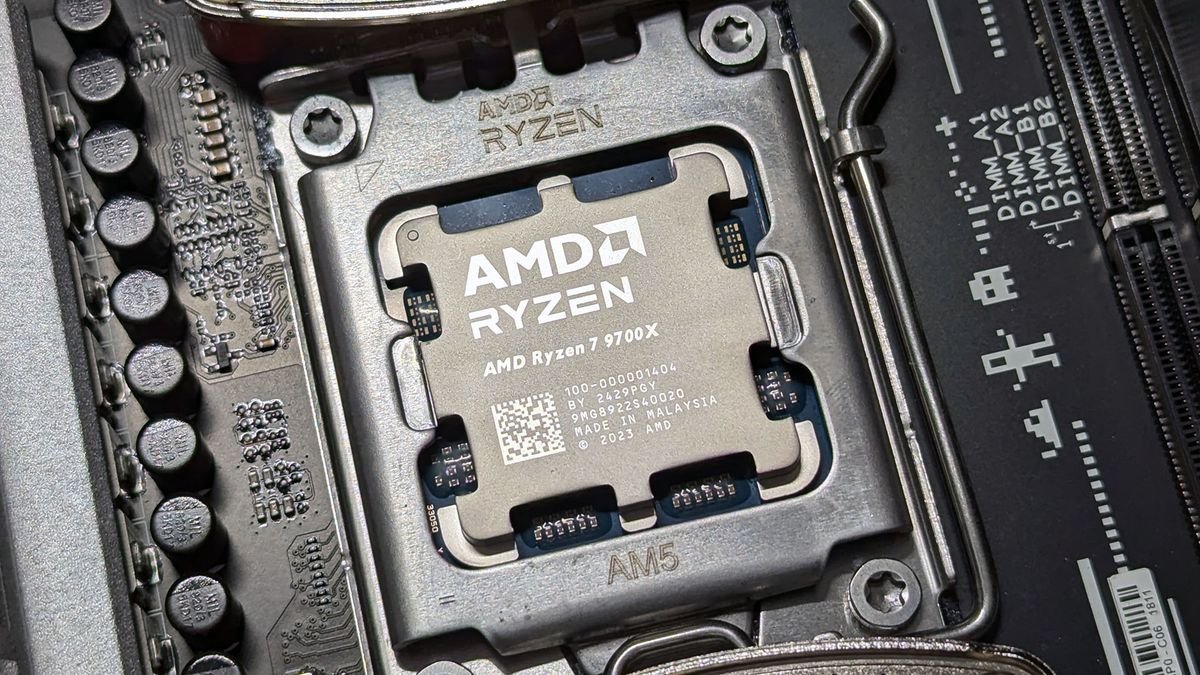
The Central Processing Unit (CPU) is the most important component of a computer system. Often referred to as the “brain of the computer,” the CPU performs all calculations, processes instructions, and manages the overall functioning of the system. Without a CPU, a computer cannot perform any task. In modern computing, the CPU plays a vital role in executing programs, controlling hardware components, and ensuring smooth system performance.
Understanding the Central Processing Unit is essential for students, IT professionals, and anyone interested in computer fundamentals. The CPU directly affects a computer’s speed, efficiency, and multitasking capability.
What Is a CPU?
The Central Processing Unit (CPU) is an electronic circuit that processes instructions from programs. It performs arithmetic, logical, control, and input/output operations specified by the instructions. Every action performed on a computer, from opening a file to browsing the internet, involves the CPU.
The CPU follows a cycle known as the Fetch-Decode-Execute cycle:
- Fetch – The CPU retrieves instructions from memory.
- Decode – It interprets the instructions.
- Execute – It performs the required action.
This continuous cycle allows the computer to function efficiently.
Main Components of the CPU
The CPU consists of three primary components that work together to process data effectively.
Arithmetic Logic Unit (ALU)
The Arithmetic Logic Unit is responsible for performing mathematical calculations and logical operations. It handles operations such as addition, subtraction, multiplication, division, comparisons, and decision-making tasks. The ALU plays a crucial role in data processing and computation.
Control Unit (CU)
The Control Unit manages and coordinates all activities within the CPU. It directs the flow of data between the CPU, memory, and input/output devices. The CU ensures that instructions are executed in the correct order and controls timing signals within the system.
Registers
Registers are small, high-speed storage locations inside the CPU. They temporarily store data, instructions, and memory addresses that are currently being used. Registers improve processing speed because they provide immediate access to important information.
Functions of the Central Processing Unit
The CPU performs several essential functions that keep the computer running smoothly.
Processing Instructions
The primary function of the CPU is to process program instructions. It reads instructions from memory and executes them step by step.
Performing Calculations
The CPU performs arithmetic and logical calculations required for various applications, including spreadsheets, games, and scientific software.
Controlling System Operations
The CPU controls communication between hardware components such as RAM, hard drives, and input/output devices. It ensures all parts of the computer work together efficiently.
Managing Multitasking
Modern CPUs support multitasking, allowing multiple programs to run simultaneously without significant performance loss.
Types of CPUs
There are different types of CPUs based on design, architecture, and performance.
Single-Core CPU
A single-core CPU has one processing unit and can execute one instruction at a time. These are suitable for basic tasks but are less common in modern systems.
Multi-Core CPU
A multi-core CPU contains two or more cores within a single processor. Examples include dual-core, quad-core, and octa-core processors. Multi-core processors improve performance by handling multiple tasks simultaneously.
32-bit and 64-bit CPUs
CPUs are also classified based on architecture:
- 32-bit CPU – Can process limited memory and data.
- 64-bit CPU – Supports larger memory and faster processing, commonly used in modern computers.
CPU Speed and Performance
CPU performance is measured in gigahertz (GHz), which indicates the number of cycles the processor can execute per second. Higher clock speed generally means better performance. However, performance also depends on:
- Number of cores
- Cache memory size
- Architecture design
- Thermal management
Cache memory is a small, high-speed memory located inside or near the CPU. It stores frequently used data to speed up processing.
Importance of CPU in Modern Computing
The Central Processing Unit is critical in modern computing systems. It enables applications like artificial intelligence, gaming, video editing, and cloud computing. High-performance CPUs are essential for data centers, software development, and enterprise systems.
In smartphones and tablets, CPUs are integrated into System on Chip (SoC) designs, combining processing, graphics, and connectivity features into one compact unit.
Advantages of a Powerful CPU
- Faster data processing
- Improved multitasking
- Better gaming performance
- Enhanced productivity
- Efficient system control
Limitations of CPU
Despite being powerful, CPUs have certain limitations:
- Heat generation during heavy usage
- Power consumption
- Performance dependency on other hardware components
Proper cooling systems and energy-efficient designs help overcome these limitations.
Future of Central Processing Units
The future of CPU technology includes advancements in artificial intelligence processing, energy efficiency, and quantum computing research. Manufacturers are developing smaller, faster, and more powerful processors to meet growing technological demands.
With continuous innovation, CPUs will continue to drive digital transformation across industries worldwide.
Conclusion
The Central Processing Unit (CPU) is the heart of every computer system. It performs calculations, executes instructions, and controls all system operations. From basic computing tasks to advanced artificial intelligence applications, the CPU plays a central role in modern technology. Understanding the CPU’s components, functions, and performance factors is essential for anyone learning about computers.
do you follow instagram