 By
By Infrastructure development often becomes the backbone of a growing city. In rapidly expanding urban centers like Vijayawada, traffic management and road connectivity are not just civic concerns — they directly impact daily life, business activity, and emergency services.
Against this backdrop, the Andhra Pradesh Congress Committee (APCC) has strongly criticised the handling of key infrastructure projects in Vijayawada. APCC vice-president Kolanukonda Shivaji on Sunday questioned the progress of major flyover and bypass corridor works, alleging delays and lack of accountability.
The criticism was directed at Vijayawada Member of Parliament Kesineni Sivanath (Chinni), with the Congress leader expressing concern over stalled projects that were expected to ease mounting traffic congestion in the city.
Growing Traffic Concerns in Vijayawada
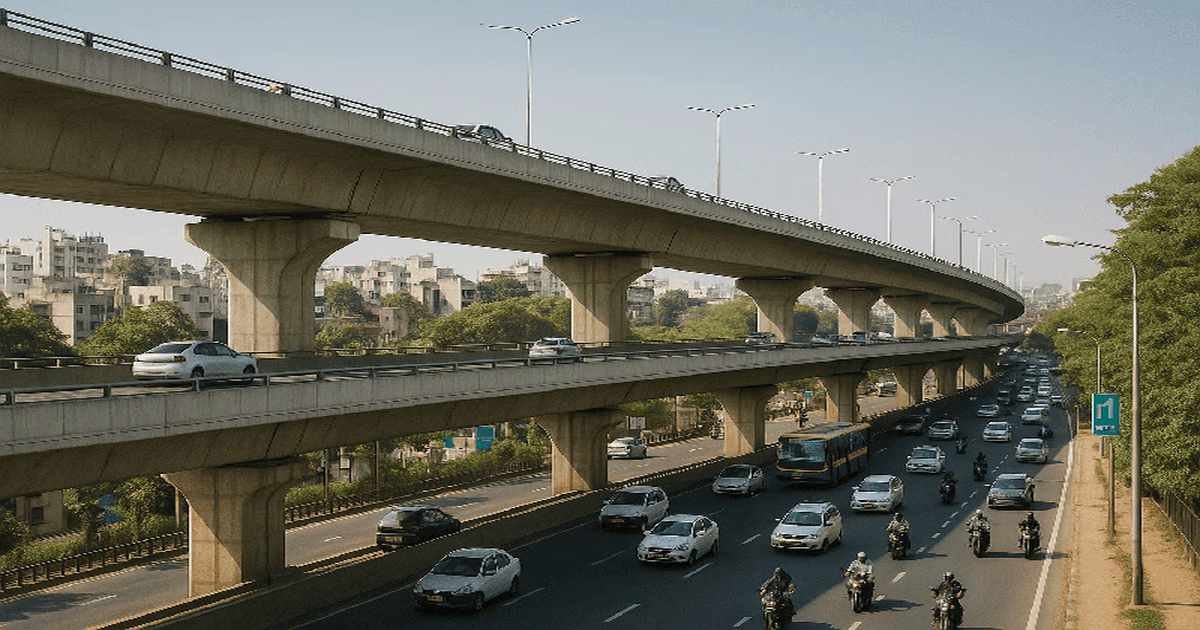
Vijayawada has witnessed rapid urban expansion over the past decade. Increasing vehicle density, commercial development, and population growth have intensified traffic pressure, particularly in areas like Singh Nagar and the Nidamanuru corridor.
These corridors are considered crucial for decongesting central traffic routes and improving connectivity between suburban and core city zones. However, delays in flyover construction and bypass development have reportedly slowed relief efforts.
Urban commuters frequently report longer travel times, bottlenecks during peak hours, and increased fuel consumption due to congestion. In such a scenario, infrastructure execution timelines become highly sensitive public matters.
Congress Raises Accountability Questions
Kolanukonda Shivaji criticised the MP’s recent review meetings, alleging that they failed to produce tangible outcomes for pending infrastructure works. According to him, repeated announcements and discussions have not translated into visible on-ground progress.
The Congress leadership has demanded clear timelines, transparency in project execution, and regular public updates on the status of:
- Singh Nagar flyover works
- Nidamanuru corridor development
- Related bypass connectivity improvements
The party argues that infrastructure development cannot remain at the review stage indefinitely and must move toward measurable completion milestones.
Political and Civic Dimensions
Infrastructure delays often carry both administrative and political implications. While execution typically involves coordination between central agencies, state authorities, and local bodies, elected representatives are frequently held accountable by citizens for visible progress.
The issue reflects a broader challenge faced by growing cities — balancing planning, funding, land acquisition, and execution within strict timelines.
Public perception plays a critical role in such matters. For residents facing daily traffic struggles, visible construction activity or milestone updates can restore confidence. Conversely, perceived inactivity may trigger dissatisfaction.
Importance of Strategic Urban Planning
Flyovers and bypass corridors are not short-term solutions; they are long-term investments designed to accommodate future traffic growth. Proper execution reduces accident risks, improves logistics efficiency, and supports commercial expansion.
For Vijayawada, which acts as a commercial and transit hub in Andhra Pradesh, infrastructure readiness is essential for sustained economic momentum.
Delays, whether administrative or procedural, can slow urban mobility and increase economic costs indirectly through time loss and productivity reduction.
The Way Forward
While political criticism highlights accountability, the larger public expectation remains practical: faster project completion and transparent communication.
Experts often recommend:
- Time-bound execution frameworks
- Public progress dashboards
- Multi-agency coordination cells
- Regular stakeholder briefings
If effectively implemented, such measures could restore public confidence and accelerate infrastructure delivery.