


 By
By Cricket, once considered a slow and traditional sport, has undergone a remarkable transformation over the years. From its origins in England to becoming a global phenomenon, cricket has adapted to changing times, audiences, and technologies. Today, modern cricket is a perfect blend of tradition, innovation, and entertainment.
Governed by the International Cricket Council (ICC), the sport continues to evolve in ways that make it more engaging and accessible to fans worldwide.
The Traditional Era of Cricket
In its early days, cricket was played primarily in the form of Test matches. These matches could last up to five days and required immense patience, skill, and endurance. Test cricket was seen as the ultimate format, where players proved their technique and mental strength.
The classic white uniforms, red ball, and long durations defined this era. Matches were less about quick results and more about strategy, consistency, and resilience. Even today, Test cricket remains the purest form of the game for many cricket enthusiasts.
The Rise of Limited-Overs Cricket
The evolution of cricket took a major turn with the introduction of limited-overs formats. One Day Internationals (ODIs), where each team plays 50 overs, brought a balance between strategy and excitement.
The first Cricket World Cup in 1975 marked a new chapter in cricket history. It attracted global audiences and made the sport more competitive and result-oriented.
ODIs introduced colored jerseys, white balls, and day-night matches, making cricket more visually appealing and exciting for fans.
The T20 Revolution
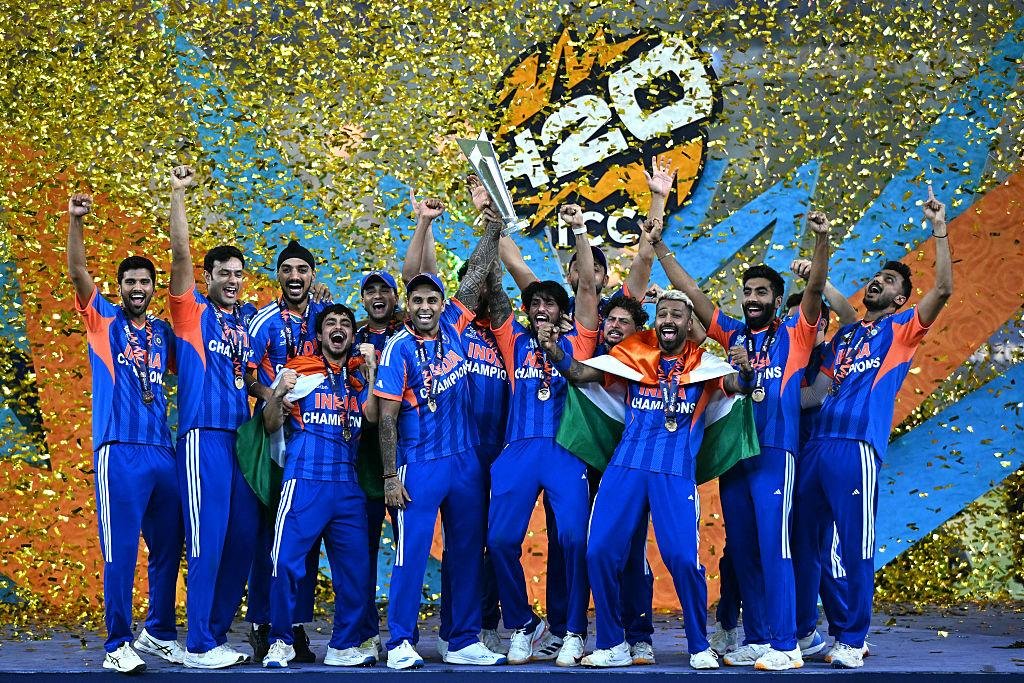
The biggest transformation in modern cricket came with the introduction of T20 (Twenty20) format. Matches were shortened to just 20 overs per side, making the game faster, more aggressive, and highly entertaining.
Leagues like the Indian Premier League (IPL) played a crucial role in popularizing T20 cricket. The IPL combined sports with entertainment, bringing together international players, large audiences, and massive commercial success.
T20 cricket focuses on big hits, quick runs, and thrilling finishes, attracting younger audiences and making cricket more dynamic.
Technology in Modern Cricket
Technology has played a vital role in shaping modern cricket. Innovations have improved both decision-making and the viewing experience.
Key advancements include:
- Decision Review System (DRS)
- Hawk-Eye ball tracking
- UltraEdge for detecting edges
- LED stumps and bails
These technologies have made the game more fair and transparent while enhancing the excitement for viewers.
Changing Playing Styles
Modern cricket has also seen a shift in playing styles. Players are now more aggressive, fit, and versatile. Batsmen focus on innovative shots like reverse sweeps and ramp shots, while bowlers use variations such as slower balls and yorkers.
Fielding standards have improved significantly, with players displaying incredible athleticism and quick reflexes. Fitness has become a key aspect of the game, with teams focusing heavily on training and performance.
Global Expansion of Cricket
Cricket is no longer limited to traditional countries. The sport is expanding into new regions, with teams from associate nations gaining recognition and competing at higher levels.
Tournaments organized by the ICC are helping promote cricket globally, bringing new fans and players into the game.
The Role of Media and Entertainment
Media and broadcasting have played a major role in cricket’s evolution. High-definition coverage, live streaming, and social media have made cricket accessible to fans everywhere.
Leagues like the IPL have turned cricket into a global entertainment product, attracting sponsors, celebrities, and millions of viewers.
The Future of Cricket
The future of cricket looks promising, with continued innovations and growing global interest. New formats, advanced analytics, and emerging talent will shape the next phase of the sport.
Efforts are also being made to include cricket in global sporting events, further increasing its popularity.
Conclusion
The evolution of modern cricket reflects its ability to adapt and grow with time. From traditional Test matches to fast-paced T20 leagues, cricket has successfully transformed into a global sport that appeals to all generations.
By blending tradition with innovation, cricket continues to captivate audiences and inspire players around the world. As the game evolves further, its legacy as one of the most loved sports will only become stronger.