 By
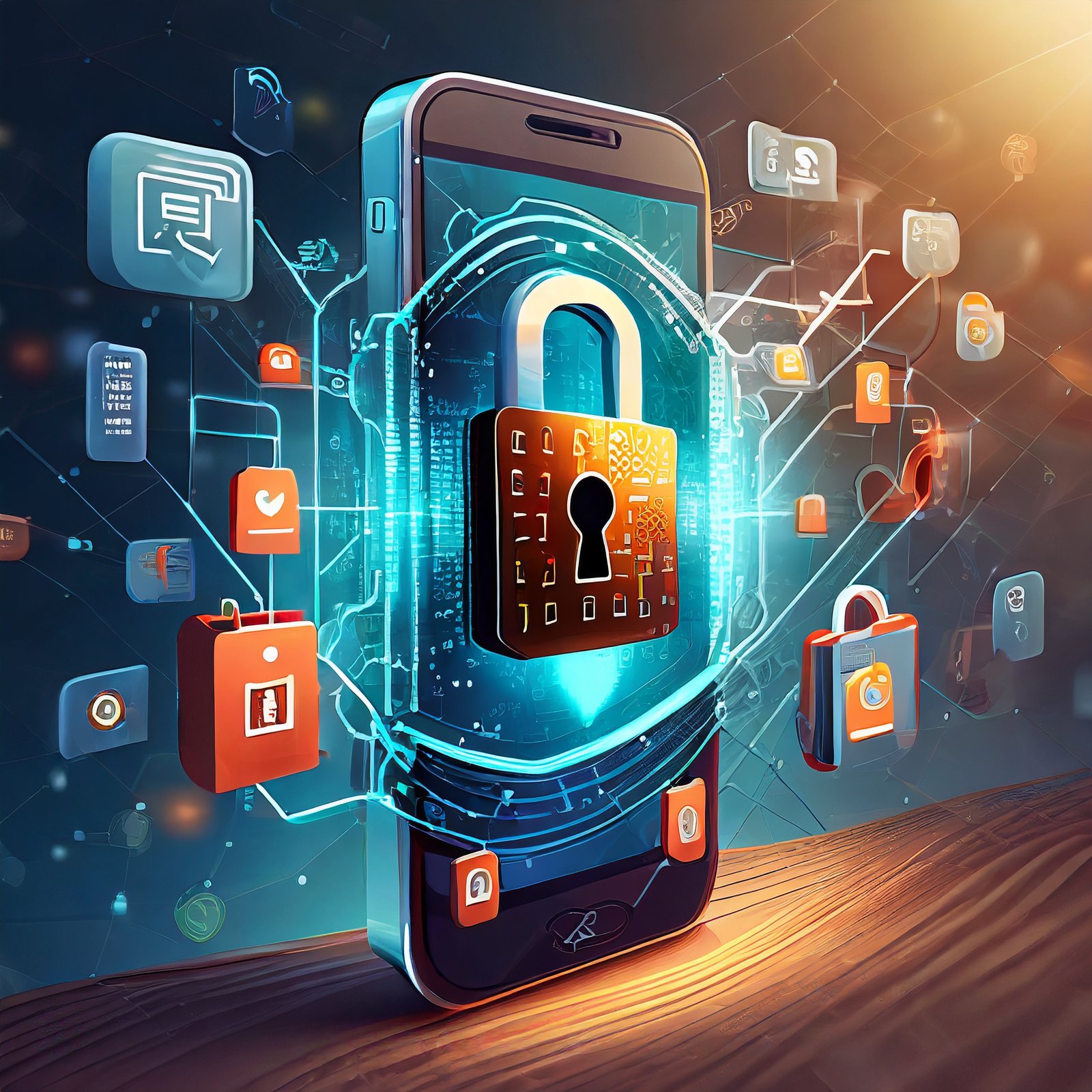
By In today’s hyper-connected world, smartphones and tablets have become extensions of our daily lives. From banking and shopping to communication and work, mobile devices handle vast amounts of sensitive information. This growing reliance has made mobile security more critical than ever. As cyber threats continue to evolve, protecting mobile devices is no longer optional—it’s essential.
Mobile security refers to the technologies and practices designed to safeguard smartphones, tablets, and mobile applications from unauthorized access, malware, and data breaches. Unlike traditional desktops, mobile devices face unique challenges, including constant connectivity, app-based ecosystems, and frequent use on public networks.
One of the foundational elements of mobile security is app sandboxing. This technique isolates applications from one another, ensuring that if one app is compromised, it cannot access data from other apps or the operating system. Both Android and iOS platforms use sandboxing to create a secure environment for app execution. For example, a gaming app cannot directly access your banking app’s data, even if it contains malicious code. This layered isolation significantly reduces the risk of widespread damage from a single compromised app.
Another essential layer of protection is mobile antivirus software. While many users associate antivirus tools with computers, mobile devices are equally vulnerable to malware, spyware, and phishing attacks. Mobile antivirus apps scan downloads, detect suspicious behavior, and block harmful websites. Modern solutions also include features like anti-theft protection, real-time monitoring, and privacy scanning. With the increasing number of malicious apps and fake downloads, having antivirus protection on your mobile device adds an important safety net.
Device encryption is another powerful security measure that ensures data stored on a device remains unreadable without proper authorization. When encryption is enabled, all data—such as messages, photos, and documents—is converted into a coded format. Even if a device is lost or stolen, the data cannot be accessed without the correct password, PIN, or biometric authentication. Most modern smartphones come with built-in encryption enabled by default, but users should always verify this setting to ensure maximum protection.
Equally important is secure authentication, which controls who can access a device or application. Traditional passwords are increasingly being replaced or supplemented by advanced methods such as fingerprint scanning, facial recognition, and multi-factor authentication (MFA). MFA, in particular, adds an extra layer of security by requiring users to verify their identity through multiple steps—such as entering a password and confirming a code sent to their phone. This significantly reduces the chances of unauthorized access, even if login credentials are compromised.
Mobile security is not just about protecting the device itself—it also extends to mobile applications. Many apps request access to sensitive data such as contacts, location, and camera. While some permissions are necessary for functionality, others may be excessive or even malicious. Users should regularly review app permissions and only install applications from trusted sources like official app stores. Developers, on the other hand, must follow secure coding practices to prevent vulnerabilities such as data leaks or insecure APIs.
One of the biggest risks to mobile security is the use of public Wi-Fi networks. While convenient, these networks are often unsecured, making it easier for attackers to intercept data. Without proper protection, activities like online banking or logging into accounts can expose sensitive information. Using a Virtual Private Network (VPN) can help encrypt internet traffic and protect data from prying eyes when connected to public networks.
Another growing concern is phishing attacks targeting mobile users. These attacks often come in the form of fake messages, emails, or links designed to trick users into revealing personal information. Because mobile screens are smaller, it can be harder to spot suspicious details, making users more vulnerable. Awareness and caution are key—always verify links and avoid downloading attachments from unknown sources.
The future of mobile security lies in AI-driven threat detection and zero-trust models. Artificial intelligence can analyze user behavior and detect anomalies in real time, while zero-trust security ensures that no device or user is trusted by default, even within a network. These innovations are shaping a more proactive and resilient approach to mobile protection.
In conclusion, mobile security is a vital aspect of modern digital life. With threats becoming more sophisticated, relying on basic protection is no longer enough. By leveraging technologies like app sandboxing, antivirus software, device encryption, and secure authentication, users can significantly reduce their risk. At the same time, staying informed and practicing safe habits—such as avoiding suspicious links and securing network connections—plays an equally important role. As mobile devices continue to evolve, so must our approach to keeping them secure.