


 By
By In an increasingly digital world, critical infrastructure forms the backbone of modern society. From electricity and water supply to transportation and healthcare systems, these essential services are vital for daily life and economic stability. As these systems become more connected and technology-driven, the need for robust critical infrastructure security has never been greater.
What is Critical Infrastructure Security?
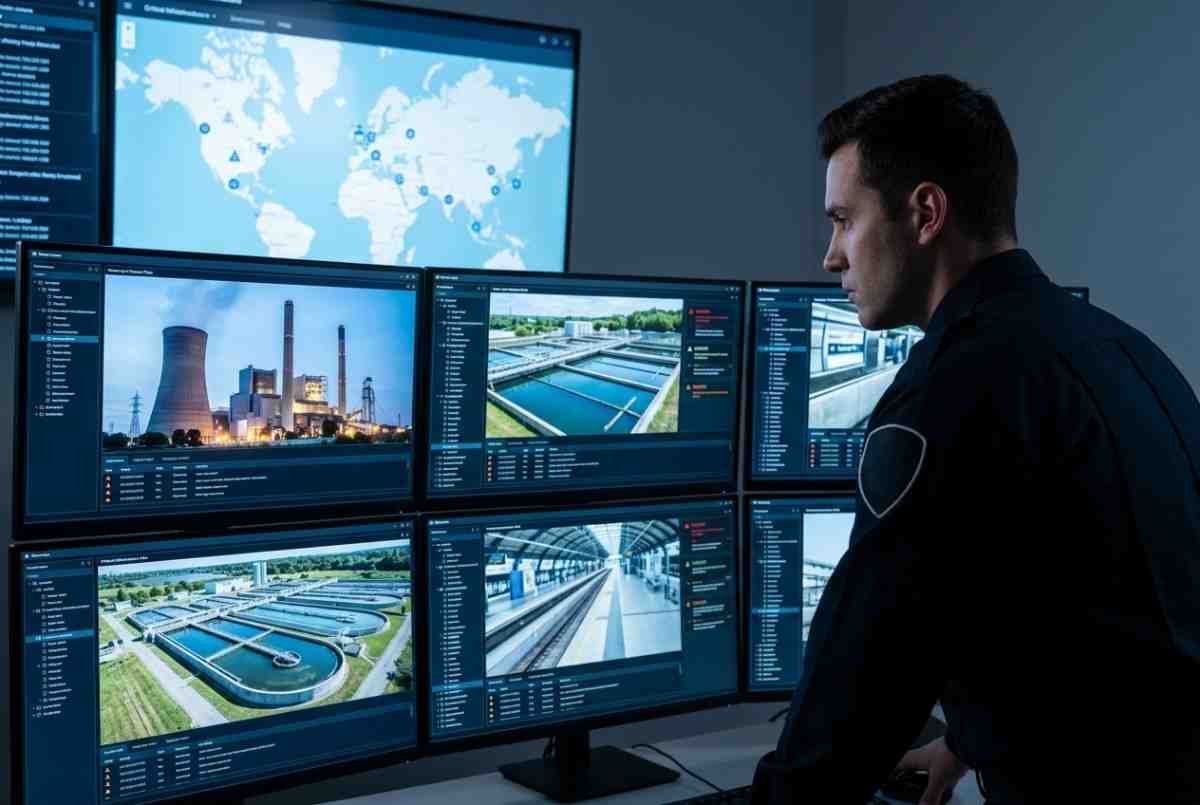
Critical infrastructure security refers to the protection of systems and assets that are essential for the functioning of a society and economy. These include power grids, water treatment facilities, transportation networks, and healthcare services. Any disruption or attack on these systems can have severe consequences, including economic losses, public safety risks, and even national security threats.
Unlike traditional IT systems, critical infrastructure often relies on operational technology (OT), which controls physical processes. This makes securing such environments more complex, as they must balance safety, reliability, and cybersecurity.
Why It Matters More Than Ever
Recent cyberattacks targeting infrastructure have highlighted the vulnerabilities in essential systems. Attackers are increasingly focusing on high-impact targets, aiming to disrupt services rather than just steal data. For example, a cyberattack on a power grid can lead to widespread blackouts, while a breach in healthcare systems can delay critical treatments.
As governments and organizations invest in smart infrastructure and automation, the attack surface continues to grow. Without proper security measures, these advancements can introduce new risks.
Key Components of Critical Infrastructure Security
1. SCADA System Security
Supervisory Control and Data Acquisition (SCADA) systems are widely used to monitor and control industrial processes. These systems are crucial in sectors like energy, water, and manufacturing.
Securing SCADA systems involves:
- Isolating them from public networks
- Implementing strong authentication mechanisms
- Regularly updating and patching software
- Monitoring for unusual activity
Because SCADA systems were not originally designed with cybersecurity in mind, they are often vulnerable to modern threats.
2. Industrial Control System (ICS) Protection
Industrial Control Systems (ICS) include various types of control systems used in industrial environments. Protecting ICS is essential to prevent unauthorized manipulation of physical processes.
Best practices for ICS protection include:
- Network segmentation between IT and OT systems
- Strict access controls and role-based permissions
- Continuous monitoring and anomaly detection
- Secure remote access for maintenance operations
A successful attack on ICS can lead to equipment damage, production shutdowns, or safety hazards.
3. Backup and Disaster Recovery
No security strategy is complete without a strong backup and disaster recovery plan. In the event of a cyberattack, natural disaster, or system failure, organizations must be able to restore operations quickly.
Effective disaster recovery strategies include:
- Regular data backups stored in secure, separate locations
- Testing recovery plans frequently
- Implementing redundancy for critical systems
- Having incident response teams ready
This ensures business continuity and minimizes downtime during unexpected events.
Common Threats to Critical Infrastructure
Critical infrastructure faces a wide range of threats, including:
- Ransomware attacks that lock systems and demand payment
- Nation-state attacks targeting strategic assets
- Insider threats from employees or contractors
- Legacy system vulnerabilities due to outdated technology
- Physical attacks combined with cyber intrusions
These threats are often sophisticated and require a multi-layered defense approach.
Best Practices for Strengthening Security
To protect critical infrastructure effectively, organizations should adopt a comprehensive security strategy:
- Implement a Zero Trust model to verify every access request
- Conduct regular risk assessments to identify vulnerabilities
- Use real-time monitoring tools for threat detection
- Train staff on cybersecurity awareness and response
- Collaborate with government agencies for intelligence sharing
- Ensure compliance with industry regulations and standards
Security should not be treated as a one-time effort but as an ongoing process that evolves with emerging threats.
The Future of Critical Infrastructure Security
As technology advances, critical infrastructure security is becoming more proactive and intelligent. Artificial intelligence and machine learning are being used to detect anomalies and predict potential attacks before they occur.
Additionally, the integration of IoT devices in infrastructure systems introduces both opportunities and challenges. While these devices improve efficiency, they also expand the attack surface, requiring stronger security controls.
Governments worldwide are also introducing stricter regulations and investing in cybersecurity frameworks to protect national infrastructure.
Conclusion
Critical infrastructure security is essential for maintaining the stability and safety of modern society. As essential services become more interconnected and digitized, the risks associated with cyber threats continue to grow.
By securing SCADA systems, protecting industrial control systems, and implementing strong backup and disaster recovery strategies, organizations can build resilient infrastructure capable of withstanding both cyber and physical threats.
In today’s high-risk environment, safeguarding critical infrastructure is not just a technical requirement—it is a societal responsibility.