


 By
By Mobile Security in 2026: Protecting Smartphones, Tablets, and Apps from Modern Cyber Threats
In today’s digital world, smartphones and tablets have become an essential part of daily life. People use mobile devices for banking, shopping, social media, office work, online learning, and storing personal information. As mobile usage continues to grow, cybercriminals are increasingly targeting these devices with malware, phishing attacks, spyware, and data theft attempts. This is where mobile security becomes extremely important.
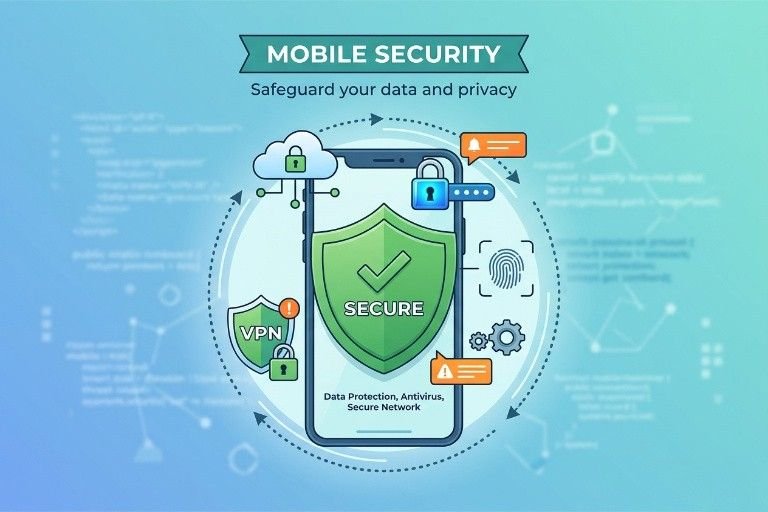
Mobile security refers to the technologies, tools, and practices used to protect smartphones, tablets, and mobile applications from cyber threats and unauthorized access. It ensures that user data, financial information, passwords, and business communications remain safe from hackers and malicious software.
One of the biggest reasons mobile security is trending in 2026 is the rapid increase in mobile-based cyberattacks. Attackers are developing sophisticated malware specifically designed for Android and iOS devices. Fake apps, malicious links, and unsafe public Wi-Fi networks can expose users to serious security risks. Organizations are also adopting remote work environments, making mobile devices an important gateway to corporate systems and sensitive business data.
A major mobile security feature used today is app sandboxing. App sandboxing isolates applications from one another, preventing unauthorized access to device resources and user data. If one app becomes compromised, the attacker cannot easily access other apps or system files. Both Android and iOS use sandboxing techniques to improve device security and minimize damage from malicious applications.
Another essential layer of protection is mobile antivirus software. Mobile antivirus applications scan devices for malware, spyware, ransomware, and harmful applications. These tools can detect suspicious behavior, remove threats, and provide real-time protection against cyberattacks. Modern antivirus solutions also include anti-phishing features, safe browsing tools, and privacy monitoring to improve overall device security.
Device encryption has also become a critical security practice in 2026. Encryption converts sensitive information into unreadable code that can only be accessed with the correct authentication key. Even if a device is stolen, encrypted data remains protected from unauthorized users. Most modern smartphones now offer built-in encryption features that automatically secure photos, documents, messages, and application data.
Another important component of mobile security is secure authentication. Traditional passwords alone are no longer sufficient to protect modern mobile devices. Multi-factor authentication (MFA), biometric verification, fingerprint scanning, and facial recognition are now widely used to strengthen security. These authentication methods help prevent unauthorized access, even if passwords are compromised.
Mobile applications themselves must also follow secure development practices. Developers are now focusing on secure coding techniques, regular security testing, and vulnerability assessments to reduce the risk of application-level attacks. App stores such as the Google and Apple app marketplaces have also improved their security review processes to identify malicious or fake applications before they reach users.
Public Wi-Fi remains one of the biggest threats to mobile users. Many people connect to free Wi-Fi networks in cafes, airports, hotels, and shopping malls without understanding the risks involved. Cybercriminals can intercept data transmitted through unsecured networks, leading to identity theft and credential theft. Using Virtual Private Networks (VPNs) and avoiding sensitive transactions on public networks can significantly improve security.
Businesses are also investing heavily in mobile device management (MDM) solutions. MDM tools allow organizations to monitor, manage, and secure employee mobile devices remotely. Companies can enforce password policies, encrypt corporate data, restrict unauthorized apps, and remotely wipe devices if they are lost or stolen. This has become especially important as remote and hybrid work environments continue to expand globally.
Artificial Intelligence (AI) is also transforming mobile security in 2026. AI-powered security tools can detect unusual behavior patterns, identify threats in real time, and respond automatically to suspicious activities. Machine learning algorithms help security systems recognize new malware variants faster than traditional signature-based methods.
Despite advanced security technologies, user awareness remains the strongest defense against mobile threats. Users should regularly update their devices, install apps only from trusted sources, avoid clicking suspicious links, and enable security features such as biometric authentication and device encryption. Simple habits can significantly reduce the risk of cyberattacks.
As mobile technology continues to evolve, mobile security will remain a top priority for individuals and organizations alike. With increasing cyber threats targeting smartphones, tablets, and mobile applications, implementing strong security measures is no longer optional — it is essential. Technologies such as app sandboxing, mobile antivirus solutions, encryption, and secure authentication are helping create a safer mobile environment for the future.