 By
By Slow and purposeful travel is changing how people explore the world. Instead of racing through multiple cities, collecting photographs and following overcrowded itineraries, many travellers now prefer to spend more time in fewer places. Walking through historic villages, cycling between rural communities and kayaking along peaceful coastlines allow visitors to connect with a destination at a more natural pace. The emphasis is no longer on how many kilometres were covered, but on what was experienced, learned and contributed along the way.
This shift reflects a wider desire for holidays that feel restorative, personal and responsible. Travellers increasingly want genuine conversations, regional food, natural landscapes and locally guided experiences rather than a checklist of famous attractions.
What Is Slow and Purposeful Travel?
Slow travel is not simply about travelling at a low speed. It is an approach that prioritises depth, awareness and meaningful participation. A purposeful journey may involve following a centuries-old pilgrimage trail, cycling through family-owned vineyards or joining a conservation-focused kayaking tour.
The traveller still explores, but the experience is built around observation and connection. Staying in one community for several nights provides time to understand its daily rhythm, traditions and environment. It can also direct a greater share of tourism spending towards locally owned accommodation, guides, cafés and small businesses.
Purposeful travel adds intention to this slower approach. A trip might support personal wellness, cultural learning, wildlife protection or community-based tourism. Every route has a reason beyond simply reaching the next destination.
Why Travellers Are Rejecting High-Mileage Itineraries
Fast itineraries can look impressive on paper, but they often involve long transfers, repeated packing and limited time at each stop. Travellers may return home with hundreds of photographs yet only a shallow understanding of the places they visited.
Recent tourism trends indicate growing interest in quieter destinations and authentic local experiences. Expedia-linked research reported that 63% of travellers were likely to visit less crowded destinations in 2025. This preference supports the broader movement away from busy tourism centres and towards smaller communities with a gentler pace of life. (My Journal Courier)
Overtourism has also influenced this change. Visitors are becoming more conscious of congestion, pressure on local infrastructure and damage to sensitive environments. Slow and purposeful travel offers an alternative by spreading visitors across longer periods, different seasons and lesser-known routes.
Walking Creates a Deeper Sense of Place
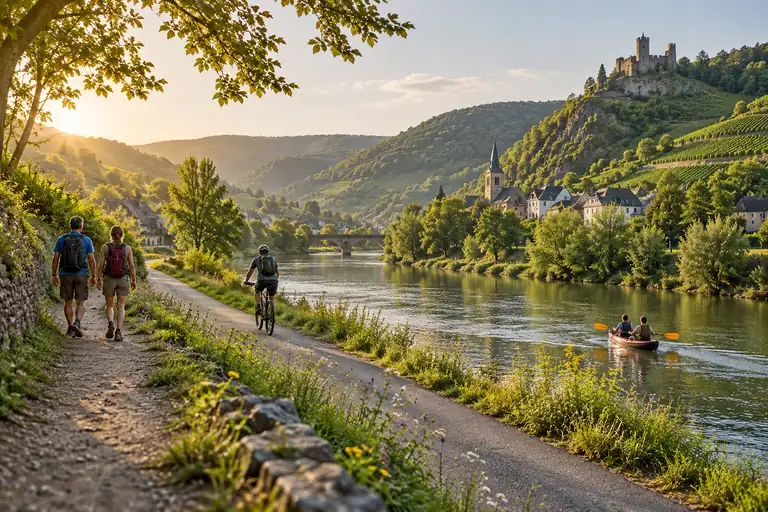
Walking is one of the simplest ways to experience a destination closely. Travellers notice architecture, plants, changing landscapes, local sounds and everyday interactions that are easily missed from a vehicle.
Long-distance trails and multi-day walking holidays are especially well suited to purposeful travel. Routes such as the Camino de Santiago, Japan’s Kumano Kodo and sections of Italy’s Via Francigena connect natural scenery with spiritual, cultural and historical stories. However, travellers do not need to complete hundreds of kilometres. A carefully selected village-to-village route can be equally meaningful.
Walking tourism can benefit small communities located away from major attractions. Hikers frequently require accommodation, meals, luggage transfers and local guidance, creating opportunities for regional businesses.
Cycling Balances Freedom, Distance and Connection
Cycling allows travellers to cover more ground than walking without losing their connection to the surrounding landscape. It is fast enough to link towns yet slow enough to notice farms, rivers, markets and roadside cafés.
Europe’s expanding cycle-route culture illustrates this appeal. EuroVelo, coordinated by the European Cyclists’ Federation, connects long-distance cycling routes across the continent and is designed for both touring and everyday journeys. These routes make it easier to combine active travel with regional exploration.
E-bikes are also making cycling holidays accessible to a wider range of ages and fitness levels. Riders can manage hills and longer distances while still participating physically in the journey. Couples or groups with different abilities can travel together more comfortably, making cycling a more inclusive slow-travel option.
Kayaking Reveals Destinations from the Water
Kayaking provides a quiet, low-speed perspective on rivers, lakes and coastlines. Paddlers can enter narrow waterways, observe wildlife and reach places that larger tour boats cannot access.
Popular purposeful kayaking experiences include exploring Croatian islands, Norwegian fjords, Canadian lakes and mangrove ecosystems in tropical regions. When responsibly managed, small-group paddling can reduce noise and disruption while encouraging greater appreciation of aquatic environments.
Responsible operators should provide safety equipment, weather guidance and clear rules for wildlife encounters. Travellers should avoid approaching nesting areas, feeding animals or entering protected zones without authorisation. Purposeful travel depends on respecting the environment rather than treating it as a background for photographs.
Sustainability Is Important, but Claims Need Care
Walking, cycling and kayaking can reduce reliance on motorised sightseeing, particularly at the destination. However, no trip becomes automatically sustainable simply because it includes an outdoor activity. Flights, transfers, equipment transport, accommodation and visitor behaviour all contribute to its overall impact.
Travellers can make better choices by using trains where practical, staying longer, choosing locally owned services and avoiding unnecessary internal flights. Certified guides, established trails and conservation fees can help protect destinations when programmes are transparent and responsibly managed.
This approach aligns with UN Tourism’s emphasis on responsible, sustainable and universally accessible tourism. (UN Tourism)
How to Plan a Meaningful Low-Mileage Journey
Begin with a region rather than a long list of attractions. Choose one landscape or cultural theme and build the itinerary around it. Allow spare time for weather changes, rest and unexpected discoveries.
Select realistic daily distances. A slower schedule creates opportunities to visit local markets, speak with residents or take part in workshops. Travellers should also check trail difficulty, seasonal conditions, water safety, bicycle-support services and emergency access.
Booking local guides can add valuable cultural and environmental context. Instead of merely passing through a place, visitors learn why its landscapes, customs and livelihoods matter.
The Future of Travel May Be Measured in Moments
Slow and purposeful travel represents a move from consumption towards participation. Its value is found in the scent of a forest after rain, a conversation at a family-run guesthouse, the rhythm of cycling through farmland or the silence of a kayak crossing calm water.
Walking, cycling and kayaking routes will not replace every conventional holiday. Nevertheless, they answer a growing demand for journeys that feel healthier, less rushed and more connected to local places. For modern travellers, the most rewarding adventure may not be the one covering the greatest distance. It may be the one that creates the strongest memory and leaves the lightest footprint.