

 By
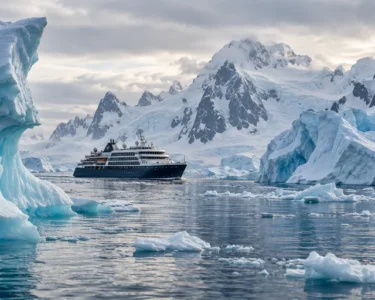
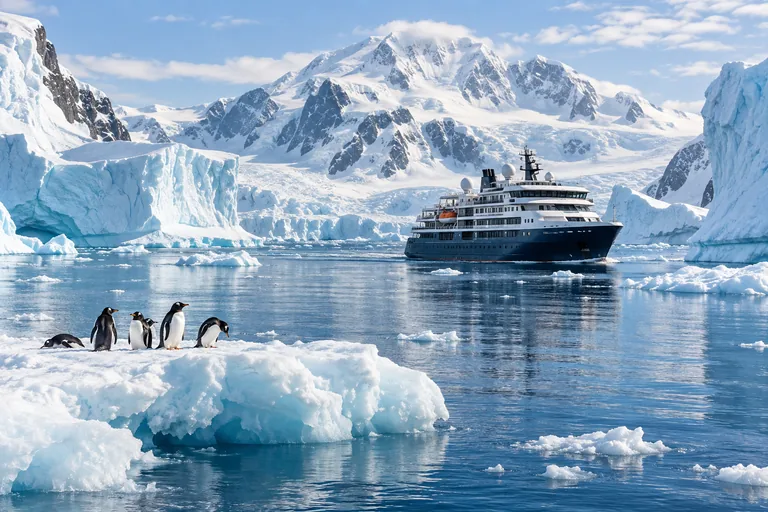
By Antarctica Expedition Cruises offer one of the most extraordinary travel experiences on Earth. Instead of following a traditional cruise itinerary filled with busy ports and entertainment venues, these voyages carry travellers into a remote world of towering icebergs, immense glaciers, penguin colonies and whale-rich waters. Purpose-built or ice-strengthened small ships make it possible to explore places that few people will ever see, turning a journey to the southern polar region into a genuine expedition.
Antarctica remains a destination where nature controls the schedul. Weather, sea ice and wildlife activity can change plans at any moment. That uncertainty is not a disadvantage—it is part of what makes every voyage unique.
Why Antarctica Remains a Dream Destination
Antarctica has no permanent native population, commercial cities or ordinary tourist infrastructure. Its vast white landscapes create a feeling of isolation that is almost impossible to experience elsewhere.
Travellers may wake to the sound of ice moving past the ship, watch penguins leap through the water or see a humpback whale surface beneath snow-covered mountains. Even experienced travellers often describe their first view of the Antarctic Peninsula as unforgettable.
The continent is also internationally protected. Under the Antarctic Treaty System, Antarctica is designated as a natural reserve devoted to peace and science. Tourism must therefore be carefully managed to protect wildlife, scientific work and fragile ecosystems.
Why Small Expedition Ships Are Different
Specialized small ships are central to the Antarctica expedition cruise experience. Unlike conventional cruise liners, expedition vessels are equipped for remote polar navigation and usually carry inflatable Zodiac boats for shore landings and wildlife excursions.
Smaller passenger numbers allow travellers to get closer to the landscape. Depending on conditions and the itinerary, guests may step ashore near penguin colonies, cruise between ice formations or visit historic expedition sites.
Current Antarctic tourism rules allow no more than 100 visitors from a vessel to be ashore at one landing site at the same time. Ships carrying more than 500 passengers are not permitted to make landings. For travellers who want to walk on the continent rather than only view it from a ship, vessel size is therefore an important booking consideration.
What Travellers Can Experience
No two Antarctica expedition cruises are exactly alike. The expedition team adjusts activities according to weather, sea conditions, wildlife movements and environmental restrictions.
A typical voyage may include guided Zodiac cruises, shore walks, wildlife observation and educational presentations. Some operators also offer kayaking, camping, snowshoeing or a carefully supervised polar plunge.
Wildlife is a major attraction. Visitors may encounter gentoo, Adélie and chinstrap penguins, along with seals, seabirds and several whale species. Sightings cannot be guaranteed because the animals are wild, but expedition guides help passengers understand their behaviour without disturbing them.
Lectures by marine biologists, historians, photographers and polar specialists add depth to the journey. Passengers return home with more than photographs; they gain a clearer understanding of Antarctica’s climate, history and global importance.
The Best Time to Visit Antarctica
The main cruise season runs during the Southern Hemisphere’s summer, generally from November to March. Each part of the season provides a slightly different experience.
November and early December can offer dramatic snow-covered scenery, large ice formations and active penguin courtship. December and January bring long daylight hours, relatively milder conditions and busy penguin colonies. By February and March, whale activity often becomes a major highlight, while penguin chicks may be more active and independent.
There is no single perfect month. The best departure depends on whether a traveller is most interested in untouched snow, penguin activity, whales, photography or longer daylight.
Popular Routes and Departure Points
Most Antarctic Peninsula voyages leave from Ushuaia in Argentina and cross the Drake Passage. This famous stretch of water normally requires about two days in each direction, although conditions can range from surprisingly calm to extremely rough.
Fly-cruise options are also available from southern Chile. These itineraries use aircraft to cross part of the journey before passengers board an expedition ship near Antarctica, reducing time spent on the Drake Passage.
Longer expeditions may include South Georgia and the Falkland Islands. These routes require more time and money, but they can provide exceptional wildlife experiences, including enormous king penguin colonies and important historic sites connected to polar exploration.
Planning the Cost and Preparing Properly
An Antarctic voyage is a major investment. The final price depends on the ship, cabin type, route, travel month, trip length and included activities. Travellers should check whether fares cover flights, hotel stays, waterproof boots, expedition clothing, gratuities, insurance and optional activities.
Comprehensive travel insurance is especially important. Antarctica has limited medical facilities, and an emergency evacuation can be complicated and extremely expensive. Operators commonly require insurance that includes emergency medical treatment and evacuation coverage.
Passengers should also prepare for cold, wind, sea spray and rapidly changing conditions. Layered thermal clothing, fully waterproof outerwear, gloves, protective eyewear and seasickness medication can make the journey considerably more comfortable.
Responsible Travel in a Fragile Environment
Visitors must follow strict biosecurity and wildlife guidelines. Boots, clothing and equipment are cleaned before landings to prevent seeds, soil or foreign organisms from entering the Antarctic environment.
Travellers must keep a safe distance from wildlife, avoid feeding or touching animals and never remove rocks, feathers or other natural objects. Routes may be changed if wildlife appears stressed or if conditions make a landing unsafe.
Choosing an operator affiliated with the International Association of Antarctica Tour Operators can help travellers identify companies committed to coordinated, safe and environmentally responsible tourism.
Is an Antarctica Expedition Cruise Worth It?
For travellers who value wildlife, raw landscapes, photography and meaningful adventure, Antarctica expedition cruises can be worth the demanding journey and higher price. They replace predictable sightseeing with exploration, expert learning and rare encounters in one of the planet’s last great wilderness areas.
It is not simply a holiday at sea. It is an opportunity to witness a powerful but vulnerable environment—and to understand why protecting it matters.
Facts were checked against current guidance from the International Association of Antarctica Tour Operators and the Antarctic Treaty Secretariat