


 By
By IoT Security in 2026: Protecting Smart Devices in a Hyperconnected World
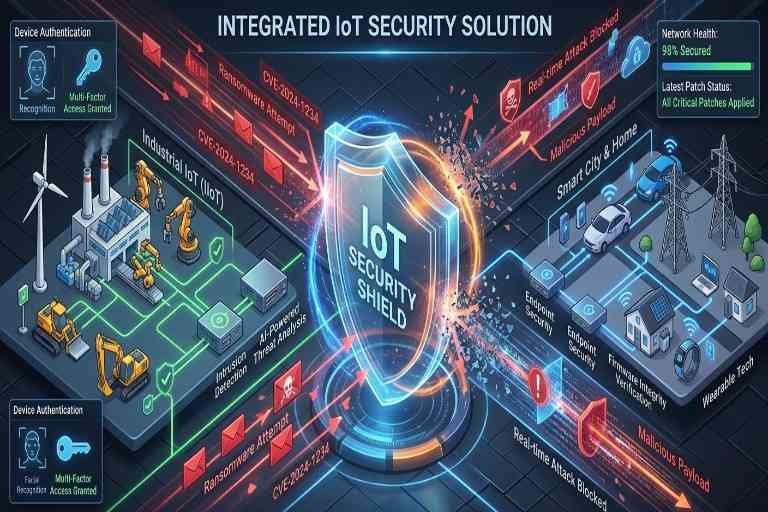
The Internet of Things (IoT) has transformed the way people live and businesses operate. From smart home assistants and fitness wearables to connected industrial machines and healthcare devices, IoT technology is now deeply integrated into everyday life. While these devices provide convenience, efficiency, and automation, they also create new cybersecurity risks. This is where IoT security becomes critical.
IoT security refers to the practices, technologies, and policies used to protect internet-connected devices from cyberattacks, unauthorized access, and data theft. As the number of connected devices continues to rise in 2026, securing IoT systems has become one of the most important priorities for individuals and organizations.
Why IoT Security Matters
IoT devices collect and exchange massive amounts of data. Many of these devices operate continuously and often handle sensitive information such as personal health records, home security footage, industrial operations data, and location tracking.
Unfortunately, many IoT devices are built with limited security protections. Weak passwords, outdated software, and poor encryption can make them easy targets for hackers.
A compromised IoT device can create serious consequences, including:
- Unauthorized access to personal or business networks
- Theft of confidential information
- Device manipulation or shutdown
- Financial losses and operational disruption
- Privacy violations and identity theft
Cybercriminals often target vulnerable devices because they can act as entry points into larger networks.
Common Examples of IoT Devices
IoT technology exists across multiple industries and environments.
1. Smart Home Devices
Smart homes rely heavily on connected technology. Examples include:
- Smart cameras
- Smart locks
- Voice assistants
- Smart TVs
- Connected lighting systems
While these devices make homes more convenient, poor security settings can allow attackers to spy on users or gain control of home systems.
2. Wearable Technology
Wearables have become increasingly popular for health monitoring and lifestyle tracking.
Examples include:
- Smartwatches
- Fitness trackers
- Health-monitoring devices
These devices collect valuable personal information such as heart rate, sleep patterns, and activity levels. If compromised, sensitive health data may be exposed.
3. Connected Industrial Machines
Industries use IoT devices to improve productivity and automate operations.
Examples include:
- Manufacturing sensors
- Industrial robots
- Smart energy systems
- Remote monitoring equipment
A cyberattack on industrial IoT systems can halt production, damage equipment, and disrupt supply chains.
Major IoT Security Threats in 2026
As IoT adoption grows, cyber threats continue to evolve.
Weak Passwords and Default Credentials
Many devices still ship with default usernames and passwords. Attackers can easily exploit these if users fail to change them.
Unpatched Software
IoT devices often run outdated firmware. Without regular updates, known vulnerabilities remain exposed to attackers.
Data Interception
If communication between devices is not encrypted, hackers can intercept and steal transmitted data.
Botnet Attacks
Compromised IoT devices can be grouped into botnets and used for large-scale cyberattacks such as Distributed Denial of Service (DDoS) attacks.
Device Hijacking
Hackers may take control of connected devices and manipulate their functions, causing safety and operational risks.
Best Practices for Strong IoT Security
Securing IoT systems requires both manufacturers and users to follow strong cybersecurity practices.
Use Strong Authentication
Replace default passwords immediately and create strong, unique credentials. Multi-factor authentication adds another layer of protection.
Keep Devices Updated
Regular firmware and software updates are essential because they patch known vulnerabilities and improve security performance.
Enable Encryption
Encryption protects data during transmission and reduces the risk of interception.
Segment Networks
IoT devices should operate on separate networks from sensitive business or personal systems. Network segmentation limits the spread of attacks.
Monitor Device Activity
Continuous monitoring helps identify suspicious behavior and allows faster incident response.
Buy Security-Focused Devices
Consumers and businesses should prioritize devices from manufacturers that provide regular updates and strong security standards.
The Future of IoT Security
IoT ecosystems will continue expanding in homes, healthcare, transportation, and industrial environments. Artificial intelligence and machine learning are increasingly being used to detect unusual device behavior and identify threats faster.
Governments and industry regulators are also introducing stricter security standards for connected devices. These regulations aim to ensure manufacturers design products with security built in rather than treating it as an afterthought.
IoT security is no longer optional. As connected devices become central to modern life, protecting them is essential for privacy, safety, and business continuity. Organizations and consumers that invest in IoT security today will be better prepared for the cyber challenges of tomorrow.