


 By
By IoT Security in 2026: Securing Connected Devices in an Increasingly Smart World
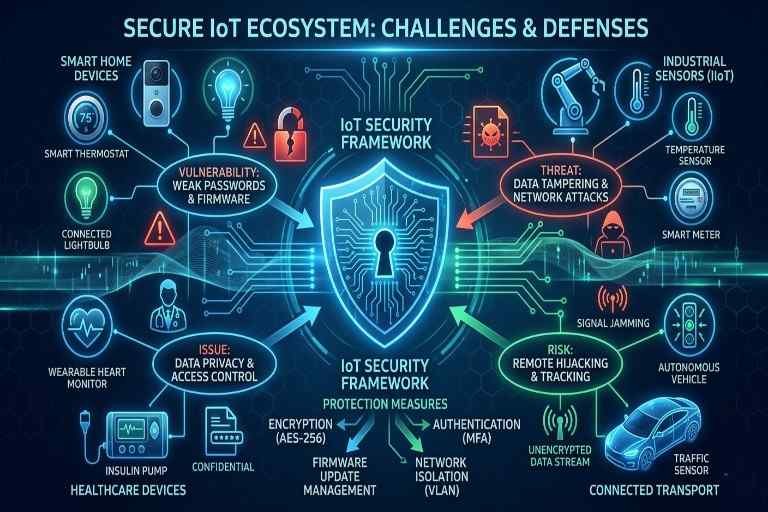
The Internet of Things (IoT) has transformed the way people live and work by connecting everyday devices to the internet. From smart home assistants and wearable fitness trackers to industrial sensors and automated manufacturing equipment, IoT technology is driving innovation across nearly every industry. However, as the number of connected devices continues to grow, so do the cybersecurity risks associated with them. In 2026, IoT Security has become a critical priority for businesses, governments, and consumers alike.
IoT Security refers to the strategies, technologies, and practices used to protect internet-connected devices, networks, and the data they generate from cyber threats. Because many IoT devices operate continuously and often handle sensitive information, securing them is essential for maintaining privacy, safety, and operational reliability.
Why IoT Security Matters
The global expansion of IoT has created a highly interconnected digital ecosystem. Smart devices collect, process, and transmit vast amounts of data, enabling automation, efficiency, and convenience. However, every connected device can also become a potential entry point for cybercriminals.
Common IoT security risks include:
- Unauthorized device access.
- Data theft and privacy breaches.
- Malware infections.
- Botnet attacks.
- Device hijacking.
- Network compromise.
Unlike traditional computers, many IoT devices have limited processing power and may lack advanced security features. This makes them attractive targets for attackers looking to exploit vulnerabilities.
As organizations and consumers increasingly depend on connected technologies, strong IoT security measures are essential to reduce risks and protect valuable information.
Securing Smart Home Devices
Smart home technology continues to gain popularity in 2026. Devices such as smart speakers, connected cameras, video doorbells, smart thermostats, and automated lighting systems make homes more efficient and convenient.
However, poorly secured smart home devices can expose users to cyber threats. Attackers may exploit weak passwords, outdated firmware, or insecure network configurations to gain unauthorized access.
Best practices for securing smart home devices include:
- Changing default usernames and passwords.
- Enabling Multi-Factor Authentication (MFA) when available.
- Keeping device firmware updated.
- Using strong Wi-Fi encryption standards such as WPA3.
- Disabling unnecessary features and remote access capabilities.
Manufacturers are increasingly adopting secure-by-design principles, but users must also take responsibility for maintaining device security.
Protecting Wearable Technology
Wearable devices have evolved significantly beyond fitness tracking. Modern smartwatches, health monitoring devices, and connected medical wearables collect sensitive information such as heart rate, sleep patterns, activity data, and location information.
Because wearable devices often connect to smartphones and cloud platforms, cybercriminals may attempt to intercept or misuse the data they collect.
Organizations and individuals can improve wearable security by:
- Encrypting stored and transmitted data.
- Installing software updates regularly.
- Reviewing app permissions carefully.
- Using secure authentication methods.
- Connecting only to trusted devices and applications.
As digital health technologies continue to expand, wearable security will remain a key area of focus for protecting user privacy and sensitive health information.
Securing Connected Industrial Machines
Industrial Internet of Things (IIoT) technology is revolutionizing manufacturing, transportation, logistics, energy production, and infrastructure management. Connected sensors and machines enable organizations to monitor equipment performance, automate operations, and improve efficiency.
However, cyberattacks targeting industrial IoT environments can have severe consequences, including production downtime, equipment damage, and safety risks.
To strengthen industrial IoT security, organizations should:
- Segment industrial networks from corporate IT systems.
- Implement strong authentication controls.
- Continuously monitor device activity.
- Conduct regular vulnerability assessments.
- Apply security updates and firmware patches promptly.
Protecting connected industrial machines is essential for maintaining operational continuity and preventing costly disruptions.
Emerging IoT Security Trends in 2026
The rapid growth of IoT technology is driving new approaches to security.
AI-Powered Threat Detection
Artificial intelligence and machine learning are helping organizations detect unusual device behavior, identify threats faster, and automate security responses.
Zero Trust for IoT
Zero Trust security models require continuous verification of devices, users, and applications before granting access to networks and resources.
Secure-by-Design Development
Manufacturers are increasingly building security features into devices from the earliest stages of development rather than adding protections after deployment.
Regulatory Compliance and Standards
Governments worldwide are introducing stricter IoT security regulations and standards to improve consumer protection and reduce cybersecurity risks.
Best Practices for Strengthening IoT Security
Organizations and consumers can improve IoT security by following several key practices:
- Replace default credentials immediately.
- Enable encryption for data storage and communication.
- Keep devices updated with the latest firmware.
- Monitor connected devices regularly.
- Isolate IoT devices from critical networks.
- Remove unsupported or unused devices.
- Conduct regular security audits and assessments.
These measures help minimize vulnerabilities and strengthen the overall security posture of IoT environments.