

 By
By Mobile Security in 2026: Protecting Smartphones, Tablets, and Apps in a Connected World
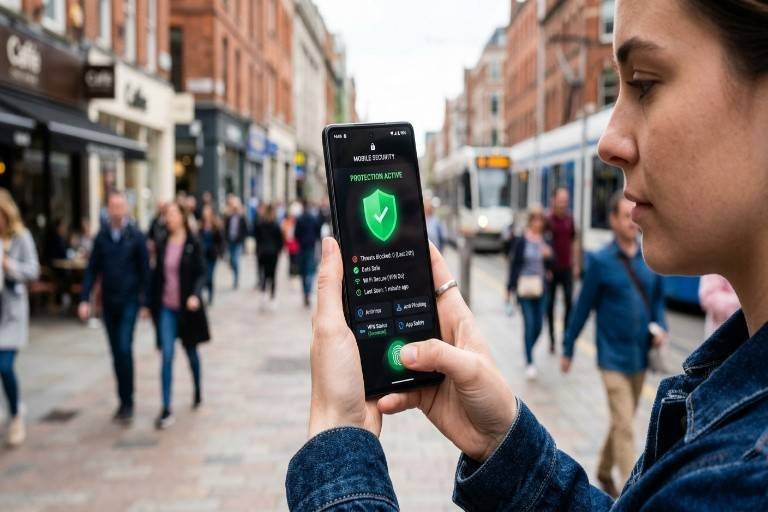
Mobile devices have become an essential part of modern life. From online banking and digital payments to remote work and social networking, smartphones and tablets now store and process vast amounts of personal and business information. As mobile usage continues to grow, cybercriminals are increasingly targeting mobile devices and applications, making Mobile Security one of the most important cybersecurity priorities in 2026.
Mobile Security refers to the technologies, policies, and practices used to protect smartphones, tablets, mobile applications, and the sensitive data they contain from cyber threats. Whether used by individuals or businesses, mobile devices require strong security measures to defend against malware, phishing attacks, unauthorized access, and data breaches.
Why Mobile Security Matters
Today’s smartphones often contain more sensitive information than traditional computers. Emails, passwords, financial records, health information, business documents, and personal photos are all accessible through mobile devices.
The growing popularity of remote work, cloud applications, and mobile commerce has expanded the attack surface available to cybercriminals. Common mobile threats include:
- Mobile malware and ransomware.
- Phishing and smishing attacks.
- Malicious applications.
- Device theft and unauthorized access.
- Data leakage through insecure networks.
- Spyware and credential theft.
A compromised mobile device can lead to identity theft, financial loss, privacy violations, and unauthorized access to corporate systems.
As a result, organizations and users must prioritize mobile security to protect valuable information and maintain trust.
App Sandboxing: Isolating Applications for Better Protection
App sandboxing is a fundamental security feature built into modern mobile operating systems. It creates isolated environments where applications operate independently from one another.
This means that a mobile application cannot freely access the data or resources of another application without permission.
Benefits of app sandboxing include:
- Improved privacy protection.
- Reduced risk of malware spreading.
- Better control over application permissions.
- Enhanced device stability and security.
Both Android and iOS platforms use sandboxing technologies to limit the damage caused by compromised or malicious applications.
As mobile applications become more sophisticated, sandboxing remains a critical defense against cyber threats.
Mobile Antivirus and Threat Detection
Cybercriminals continuously develop new malware designed specifically for mobile devices. These threats can steal sensitive information, monitor user activity, or provide attackers with remote access to devices.
Mobile antivirus solutions help detect and prevent these attacks through:
- Malware scanning.
- Application behavior analysis.
- Phishing protection.
- Security vulnerability detection.
- Real-time threat monitoring.
Modern Mobile Threat Defense (MTD) platforms use artificial intelligence and machine learning to identify suspicious activities and respond to threats proactively.
Organizations increasingly deploy mobile security solutions across employee devices to strengthen endpoint protection and reduce cybersecurity risks.
Device Encryption: Securing Sensitive Data
Device encryption is one of the most effective ways to protect information stored on smartphones and tablets. Encryption converts data into an unreadable format that can only be accessed using authorized credentials.
If a device is lost or stolen, encryption prevents unauthorized users from viewing sensitive information.
Benefits of device encryption include:
- Protection against data theft.
- Improved privacy and confidentiality.
- Regulatory compliance support.
- Reduced risk from lost or stolen devices.
Most modern mobile operating systems offer built-in encryption capabilities, making it easier for users and organizations to secure their devices.
Secure Authentication: Strengthening Access Control
Weak passwords remain one of the most common causes of account compromise. Secure authentication mechanisms help protect both devices and applications from unauthorized access.
Best practices include:
- Multi-Factor Authentication (MFA).
- Biometric authentication such as fingerprint scanning and facial recognition.
- Strong password policies.
- Password managers.
- Risk-based authentication controls.
Biometric technologies have gained significant popularity because they provide both convenience and strong security. Combining biometrics with MFA creates multiple layers of protection against unauthorized access.
Organizations should also implement identity management policies to ensure secure access across mobile applications and services.
Emerging Mobile Security Trends in 2026
Several trends are shaping the future of mobile security.
AI-Powered Threat Detection
Artificial intelligence helps identify unusual device behavior, detect malware faster, and automate security responses.
Zero Trust Mobile Security
Organizations are extending Zero Trust principles to mobile environments by continuously verifying users, devices, and applications.
Secure Mobile Application Development
Developers are increasingly integrating security into every stage of the mobile application development lifecycle.
Privacy-Focused Mobile Platforms
Mobile operating systems continue to provide greater transparency regarding application permissions, data collection, and privacy controls.
Best Practices for Improving Mobile Security
Organizations and individuals can strengthen mobile security by:
- Keeping devices and applications updated.
- Installing apps only from trusted sources.
- Enabling device encryption.
- Using Multi-Factor Authentication.
- Avoiding unsecured public Wi-Fi networks.
- Reviewing application permissions regularly.
- Deploying mobile security monitoring tools.
These measures significantly reduce vulnerabilities and improve overall protection.