 By
By In 2026, one of the biggest health trends in India is the growing shift toward preventive healthcare. Instead of waiting for a disease to appear and then starting treatment, more people are now focusing on preventing illness before it becomes serious. This change is being driven by rising cases of diabetes, heart disease, obesity, stress-related disorders, and other lifestyle conditions that are affecting people at younger ages than ever before.
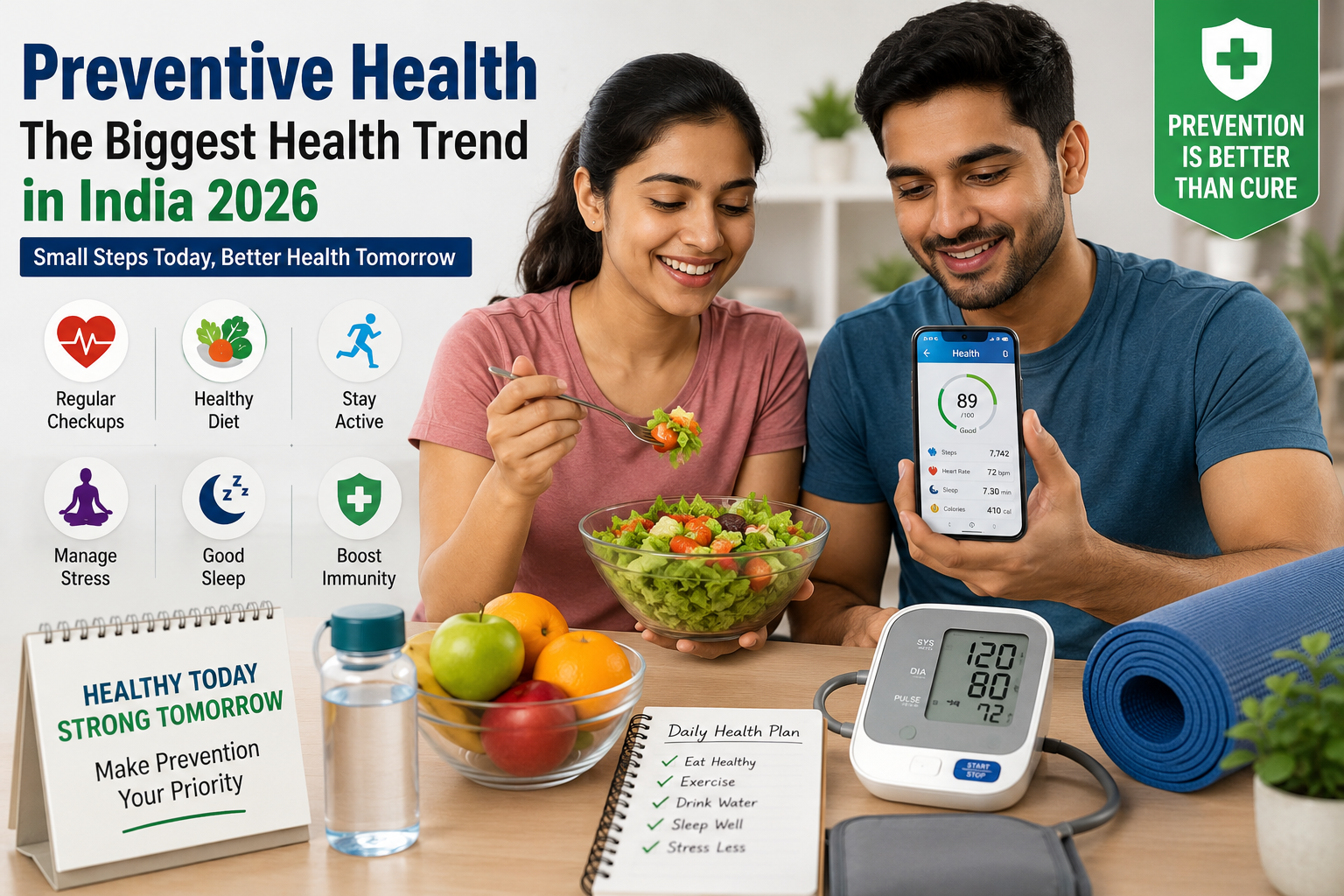
Preventive health simply means taking action early to protect your body and mind. It includes regular health checkups, blood sugar monitoring, cholesterol tests, blood pressure screening, healthy eating, daily exercise, stress management, proper sleep, and using digital health tools to track wellness. In a country like India, where lifestyle diseases are increasing rapidly, preventive care is no longer just a health recommendation—it is becoming a necessity.
One of the biggest reasons preventive health is trending in India in 2026 is the rise in chronic lifestyle diseases. Doctors are reporting that more people are now living with multiple health issues at the same time, such as diabetes, thyroid problems, high blood pressure, obesity, fatty liver, and vitamin deficiencies. Earlier, many of these conditions were commonly seen in older adults. Today, they are increasingly affecting people in their 20s and 30s due to poor food habits, lack of exercise, long screen time, stress, and irregular sleep.
This is why awareness around early testing and health screening has become much stronger. Many people are now choosing routine tests such as HbA1c for diabetes, lipid profile for cholesterol, liver and kidney function tests, vitamin D and B12 checks, thyroid tests, and blood pressure monitoring even when they are not seriously ill. The goal is simple: identify health risks early and control them before they turn into major medical problems.
Another reason preventive healthcare is becoming popular is the growing attention to daily food habits. In recent months, more Indians have started questioning what they eat every day. People are reading food labels, reducing packaged foods, checking sugar content, choosing healthier oils, and going back to simple home-cooked meals. The kitchen is increasingly being seen as the first place where long-term health is built. Small choices such as cutting down sugary drinks, reducing fried snacks, adding more vegetables, eating more protein, and drinking enough water can make a major difference over time.
In 2026, preventive health is also closely linked with digital healthcare and health apps. India is seeing stronger adoption of digital health platforms that allow users to store health records, access government health services, track medical history, and stay connected with healthcare providers. This is making preventive care easier and more organized for many families. Instead of waiting for a health emergency, people can monitor their health more regularly and make informed decisions based on real data.
Mental health is another important reason why preventive healthcare is gaining attention. Health experts are increasingly reminding people that prevention is not only about sugar levels, blood pressure, or body weight. It is also about stress, burnout, anxiety, poor sleep, and emotional health. Many working professionals, students, and even homemakers are experiencing fatigue, irritability, low energy, and poor focus because of unmanaged stress. Preventive health in 2026 means taking mental well-being seriously through better sleep routines, short screen breaks, mindfulness, emotional support, and healthier work-life balance.
Preventive healthcare is also becoming important because medical treatment is expensive. Hospital bills, specialist consultations, scans, medicines, and long-term treatment can become financially stressful for families. Preventive care helps reduce this burden by catching problems early. For example, if someone identifies prediabetes early, improves diet, starts walking daily, and loses excess weight, they may delay or even prevent full diabetes. Similarly, controlling blood pressure early can reduce the risk of stroke, heart attack, or kidney damage later.
Workplace wellness is another area where preventive health is growing. Many companies are now encouraging employees to focus on health through annual checkups, step challenges, mental health support, nutrition awareness, and fitness programs. Businesses are beginning to understand that a healthier workforce means better productivity, fewer sick days, and improved long-term performance. This shift shows that preventive health is no longer only a personal issue—it is becoming part of how organizations think about employee well-being.
For Indian families, the biggest message of 2026 is that health should not begin only when symptoms appear. Prevention should be part of everyday life. That does not mean everyone needs a strict fitness routine or expensive diet plan. It means making realistic habits that protect health over time. Walking for 30 minutes, sleeping on time, reducing junk food, drinking enough water, managing stress, and getting routine blood tests can be far more powerful than waiting until the body forces you to act.
The future of healthcare in India is clearly moving toward a model that is proactive rather than reactive. People are realizing that long-term health is shaped by daily choices, not just hospital visits. Preventive healthcare is becoming one of India’s biggest health trends in 2026 because it gives people more control over their bodies, lowers the risk of serious disease, and encourages a healthier, more sustainable lifestyle.
In the coming years, preventive health is likely to become even more important as technology, awareness, and access continue to improve. For now, the biggest takeaway is simple: don’t wait for illness to become the reason you care for your health. In 2026, prevention is not just a trend—it is one of the smartest investments you can make in your future.
Follow Us On Instagram