

 By
By Google book: The New AI-Powered Laptop Era Begins
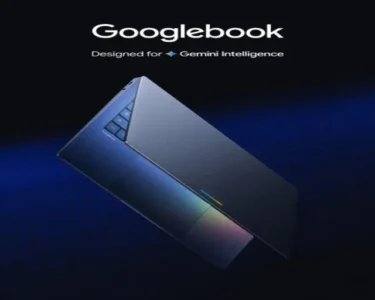
The computer industry is entering another important phase as artificial intelligence becomes increasingly integrated into everyday laptops. One of the biggest computer stories around September 22, 2026 is Google’s new Googlebook laptop category, which brings Gemini AI, premium hardware and deeper Android integration into a more powerful PC experience.
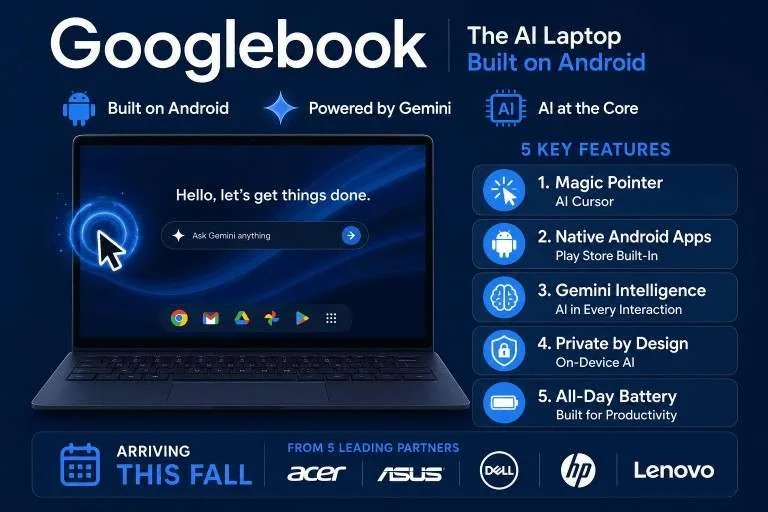
Google opened pre-orders for Googlebook on September 21, with the first models starting at $899. Devices are being produced by major computer manufacturers including Acer, ASUS, Dell, HP and Lenovo. Depending on the model, the laptops use Intel or Qualcomm processors and offer up to 14 hours of battery life.
Googlebook Moves Beyond Traditional Chromebooks
Google has been associated with Chromebooks for years, particularly in education and budget computing. Googlebook represents a move toward a more premium category designed for users who want a laptop that works closely with their Android smartphones.
The new platform combines Google’s Android technology foundation with desktop capabilities from ChromeOS. The goal is to make switching between a smartphone and laptop more seamless.
For users who already depend on Android devices, this approach could make the computer feel more like an extension of the phone rather than a completely separate device.
Gemini AI Is at the Center
Artificial intelligence is the biggest feature separating the new Googlebook concept from traditional laptops.
Google is integrating Gemini AI into the computer experience, allowing users to work with AI for activities such as drafting and organizing content, asking questions about information displayed on the screen and continuing tasks started on an Android phone.
This reflects a broader change in the PC industry. AI is moving beyond being a separate application and becoming part of the operating system and everyday workflow.
Instead of opening a separate chatbot whenever assistance is required, future laptops are increasingly being designed to provide AI assistance directly within the computing environment.
Hardware Still Matters
Although AI is a major selling point, Googlebook is also part of the broader race to improve laptop hardware.
The initial Googlebook models use processors from Intel and Qualcomm, while manufacturers are competing to deliver better battery life, performance, portability and connectivity.
Qualcomm’s involvement is particularly relevant to the continuing development of Arm-based Windows and ChromeOS laptops, where energy efficiency and battery endurance have become important considerations.
At the same time, Intel continues developing processors with dedicated AI capabilities. The company’s newer Core Series 3 laptop platform is designed around AI acceleration, performance and modern connectivity.
The Smartphone and Laptop Are Becoming Connected
One of the most interesting trends in today’s computer market is the growing connection between smartphones and PCs.
People commonly move between phones, tablets and computers throughout the day. They may begin reading something on a phone, continue writing on a laptop and then return to the phone later.
Googlebook’s Android integration is designed around this type of workflow. The company wants users to be able to move between their Android phone and computer more naturally, with Gemini helping maintain continuity between activities.
This approach is also becoming common across the wider industry, as technology companies increasingly build ecosystems instead of treating individual devices as isolated products.
AI PCs Are Becoming a Major Computer Trend
Googlebook arrives at a time when AI is influencing nearly every part of the PC market.
Laptop manufacturers are adding neural processing capabilities, dedicated AI acceleration and software assistants to new computers. High-end systems are also being designed to run increasingly sophisticated AI workloads locally.
At the other end of the market, manufacturers are focusing on affordable laptops that can bring AI features to students, home users and everyday consumers.
This creates a computer market with increasingly different types of AI PCs, ranging from affordable everyday laptops to powerful professional machines.
What Googlebook Means for the Future
Googlebook shows how the definition of a modern laptop is changing. Performance and battery life remain important, but software intelligence and device connectivity are becoming equally significant.
Google’s new approach combines Gemini AI, Android integration and laptop hardware into a single experience. With Acer, ASUS, Dell, HP and Lenovo participating in the initial lineup, Googlebook also has the potential to reach users through several different hardware designs and configurations.
The launch is therefore more than another laptop release. It reflects a larger industry shift toward computers that can understand context, assist with tasks and work more closely with other personal devices.
As AI continues to become part of everyday computing, 2026 could be remembered as a period when the traditional laptop began evolving into a more intelligent and connected personal computer.