


 By
Apple’s Biggest Tech Trends in 2026: AI, Foldable iPhones, and Smarter Homes
Apple continues to attract attention in the electronics industry with new devices, artificial intelligence (AI), and connected home technology. In October 2026, the company has introduced several noteworthy products, including a new smart home display, updated entertainment devices, and its first foldable iPhone, the iPhone Duo. These developments highlight Apple’s efforts to connect everyday technology through a more intelligent and integrated ecosystem.
For technology enthusiasts, consumers, and electronics buyers, these innovations offer an interesting look at how personal devices and smart homes may evolve.
1. The Foldable iPhone Duo: A New Chapter for Apple
One of the biggest Apple stories of October 2026 is the introduction of the iPhone Duo, Apple’s first foldable iPhone. Its arrival marks a significant change in the company’s smartphone strategy, bringing a foldable design to its popular iPhone family.
Foldable smartphones offer the convenience of a phone with the possibility of a larger display when opened. This format could appeal to users who want more screen space for watching videos, reading, multitasking, and viewing documents without carrying a separate tablet.
However, a premium foldable device is not necessarily the right choice for everyone. Buyers should consider its price, durability, battery life, repair costs, and everyday usability before upgrading. The iPhone Duo’s reported high starting price also makes affordability an important consideration.
2. Artificial Intelligence Is Becoming More Important
Artificial intelligence is another major trend shaping Apple’s electronics ecosystem. Apple has been working to make its software and digital assistant more useful through smarter interactions and personalized features.
The company’s latest smart home announcements also put Siri AI at the center of connected living. Apple is exploring ways for users to control devices, access information, and manage everyday activities through voice commands and integrated software.
AI can make technology more convenient by reducing repetitive tasks and helping users find information quickly. Nevertheless, privacy, reliability, language support, and regional availability remain important factors. Consumers should check which AI features are available in their country and on their specific devices.
3. Apple HomeView Brings Smart Home Control to the Spotlight
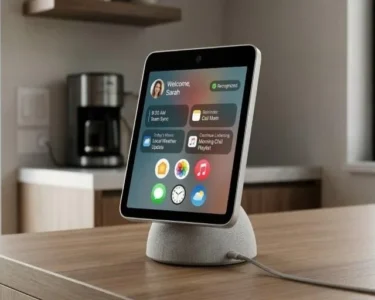
Apple’s HomeView is one of the most interesting developments in its smart home strategy. Announced on October 13, 2026, the seven-inch smart display is designed to help people manage compatible home devices and access entertainment from a central location. It also supports personalized interactions and FaceTime features.
Imagine checking compatible security cameras, adjusting smart lighting, controlling a thermostat, or communicating with family members from a single screen. A centralized device could make these tasks easier, especially for households already using Apple products.
The main challenge will be value for money and compatibility. Consumers should check whether their existing accessories work with Apple’s ecosystem before investing in a new smart home setup.
4. HomePod Mini and Apple TV Strengthen Connected Entertainment
Apple has also refreshed its home entertainment lineup. The updated HomePod mini and Apple TV 4K are part of the company’s broader push toward more connected, intelligent home experiences. The announcements emphasize Siri integration, convenient controls, and the ability to connect compatible Apple devices.
For entertainment lovers, a connected setup can make it easier to play music, watch streaming content, and control compatible accessories. Multiple speakers can also create a more immersive listening experience when supported by the configuration.
However, buyers should compare prices, supported streaming services, audio capabilities, and compatibility with their current televisions and speakers before purchasing.
5. What These Trends Mean for Electronics Buyers
Apple’s latest developments demonstrate that the electronics market is moving beyond individual gadgets toward integrated digital experiences. Smartphones, smart displays, speakers, televisions, and AI assistants are increasingly designed to work together.
Before buying a new Apple device, consumers should consider these factors:
- Budget: Decide whether the new features justify the purchase price.
- Compatibility: Check how well the product works with existing devices.
- Software support: Review available features and expected software updates.
- Privacy: Understand the device’s data collection and security settings.
- Practical benefits: Choose technology that solves a genuine everyday problem.
These considerations are especially important for buyers deciding between upgrading an existing device and adopting a completely new product category.