

 By
Godzilla Minus Zero (2026) is a Japanese-language monster epic and the sequel to the Oscar-winning Godzilla Minus One. Written and directed by Takashi Yamazaki, who also oversees the visual effects, the film blends kaiju action with a sombre post-war human drama.
The film released in North America on November 6, 2026, after IMAX screenings a few days earlier, with a runtime of about 2 hours and 15 minutes. It is rated R for violent and bloody imagery. Ryunosuke Kamiki, Minami Hamabe, Sae Nagatani, Hidetaka Yoshioka, Masami Nagasawa and Min Tanaka play the key roles.
Toho produced the film, and Naoki Satō composed the music. Yamazaki again handles the story, screenplay, direction and VFX supervision.
The story picks up two years after the first film, in 1949, when a new monster threat appears over Japan.
The movie tries to deliver big monster spectacle while exploring war trauma, loss and survival. But does Godzilla Minus Zero live up to its predecessor? Let’s take a look.
Story & Concept
The story is set in 1949, two years after the events of Godzilla Minus One.
Japan is still recovering from the war when a flying dragon, Ghidorah, devastates Matsumoto City in the opening scene.
The Large-Scale Disaster Response Bureau, led by naval engineer Kenji Noda (Hidetaka Yoshioka), takes up the fight. A new member joins the team: meteorologist Makoto Aoyama (Masami Nagasawa), who believes weather patterns can help predict kaiju attacks.
Kōichi Shikishima (Ryunosuke Kamiki), the former kamikaze pilot, is trying to live a quiet life with his wife Noriko (Minami Hamabe) and their adopted daughter Akiko (Sae Nagatani).
The couple reluctantly join the effort, knowing it could mean leaving their daughter behind for good.
Professor Murakami (Min Tanaka), who lost his family in the Hiroshima bombing, adds a bitter, vengeful angle, especially towards the occupying American forces.
The concept links the monsters to the trauma of war, which keeps the film more meaningful than a typical monster movie.
Overall, the story is ambitious and emotionally rich, though it feels stretched at times.
Performance
Ryunosuke Kamiki returns as Kōichi and again conveys a man haunted by his past and desperate to protect his family.
Minami Hamabe is strong as Noriko, who still bears an eyepatch as a reminder of the previous attack and is anxious about her husband’s return to danger.
Hidetaka Yoshioka is charming and eccentric as Noda and brings some warmth to the team scenes.
Masami Nagasawa makes a good addition as Aoyama, a character who is also seeking redemption for ignored warnings.
Min Tanaka’s Professor Murakami is arguably the most interesting character, thanks to his deep psychological scars.
Sae Nagatani is sweet as young Akiko and gives the family scenes their emotional weight.
The few American characters are stiff and the weakest part of the acting.
Overall, the main cast performs with feeling, though some characters lack depth.
Screenplay & Direction
Takashi Yamazaki again shows a fine feel for both the monster scale and the textures of post-war Japan.
The screenplay weaves personal drama, science-fiction elements and large-scale destruction together.
The film is more sombre and darker than the first, with an “Act 2” feel that sets up what may come next.
However, the human drama takes up a lot of screen time, and the story feels bloated in places.
Some character conversations feel overwrought, and the long runtime shows.
Overall, the direction is confident and artful, but a tighter script would have made the film stronger.
Kaiju Action & Spectacle
The spectacle is the main attraction of the film.
The mid-film aerial dogfight with Ghidorah is a highlight, with a thrilling sense of height and danger, and Godzilla emerging in the background of a seaplane shot is a standout moment.
Ghidorah is brought to life with both menace and a certain grace in the air, and his three-headed form brings a few new surprises.
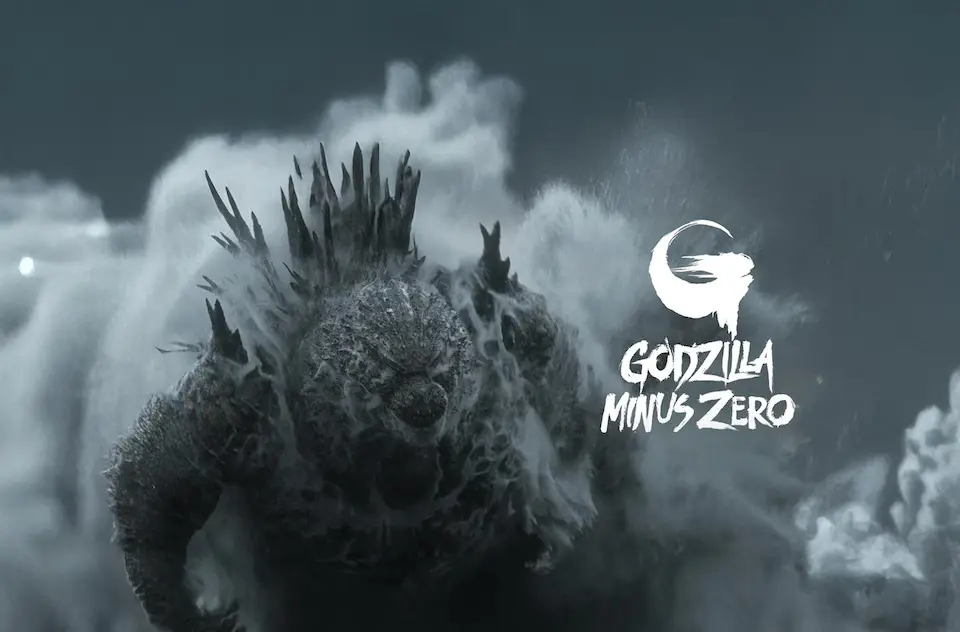
Godzilla himself appears in only a couple of scenes before the final act, but those scenes carry real weight.
The final Godzilla versus Ghidorah showdown is the most divisive part. Some viewers will find it awe-inspiring, while others will find the staging awkward and the human cutaways distracting.
Fans who want constant monster action may find the number of set pieces limited.
Overall, the spectacle is stunning when it arrives, though the film makes you wait for it.
Emotional & Human Drama
Emotions are central to the film, as in the first part.
The family bond between Kōichi, Noriko and Akiko gives the story its heart, especially the painful choice of leaving their daughter behind.
The film shows how every character’s motivation is tied to what the earlier tragedies took from them.
A flashback to the devastation of Hiroshima is graphic and unflinching, and it is one of the film’s most disturbing moments.
The emotional impact may not make you cry the way the first film did, but it still lands in many scenes.
Overall, the human drama is sincere, though it sometimes overpowers the monster story.
Social & Historical Message
The film continues the franchise’s roots as a metaphor for war and atomic destruction.
Ghidorah’s attack triggers old traumas in the survivors, so the destruction feels like a haunting of the past.
The U.S. Army is portrayed as self-serving, willing to lend equipment but not manpower, which adds a quiet political layer.
The Japanese government’s suppression of warnings to avoid panic is another thoughtful touch.
Overall, the message about trauma, grief and survival gives the film depth beyond the monster fights.
Music & Technical Aspects
Naoki Satō’s pulsating score builds dread effectively, and the classic Godzilla theme still gets the blood pumping.
The visual effects, overseen by Yamazaki, are a major strength and give both monsters a real sense of weight.
The period production design and cinematography capture post-war Japan richly.
The IMAX scale suits the film well, particularly in the aerial sequences.
Overall, the technical departments are top class.
First Half & Second Half
The first half opens with Ghidorah’s attack, introduces the new team and re-establishes the family.
The mid-film aerial dogfight is the first big highlight.
Between the set pieces, the film slows down with long stretches of human drama.
The second half builds towards the Godzilla and Ghidorah confrontation and delivers some powerful emotional moments.
The climax is large in scale, though opinions differ on how well it is staged.
Overall, the film is at its best in the standout set pieces and a little uneven in between.
What Works
- Stunning visual effects and monster design.
- The thrilling mid-film aerial dogfight.
- Naoki Satō’s powerful score.
- Strong lead performances from Ryunosuke Kamiki and Minami Hamabe.
- The emotional family bond.
- Min Tanaka’s layered Professor Murakami.
- Post-war themes of trauma and loss.
- Rich period detail.
- A darker, more mature tone.
What Doesn’t Work
- A bloated story with too much human drama.
- Limited Godzilla screen time.
- Only two major monster set pieces.
- An awkwardly staged finale.
- Characters who lack depth for the focus they get.
- Stiff performances from the American characters.
- A long runtime that drags at times.
Final Verdict
Godzilla Minus Zero is a grand, sombre kaiju sequel that pairs spectacular monster action with a heavy post-war human drama.
Ryunosuke Kamiki and Minami Hamabe lead the cast with emotional performances, while Min Tanaka and Hidetaka Yoshioka stand out in supporting roles.
The film’s biggest strength is its visual spectacle and the way it ties monster destruction to the trauma of war.
The first half sets up the new threat and delivers a thrilling aerial sequence, while the second half builds towards a large-scale showdown.
The mid-film dogfight, the family’s painful choices and the haunting war flashbacks are among the film’s most powerful moments.
Although the story is bloated and the finale divides opinion, the film still offers a rich, rewarding experience.
Overall, Godzilla Minus Zero is a worthy but not quite equal follow-up to Godzilla Minus One.
Kaiju fans and lovers of serious, emotional spectacle will find plenty to enjoy, while viewers who want non-stop monster action may find it slow.
Overall Rating: 3.5/5
Category-wise Rating:
- Story & Concept: ⭐⭐⭐☆☆
- Screenplay & Direction: ⭐⭐⭐☆☆
- Acting & Performances: ⭐⭐⭐⭐☆
- Kaiju Action & Spectacle: ⭐⭐⭐⭐☆
- Emotional & Human Drama: ⭐⭐⭐☆☆
- Social & Historical Message: ⭐⭐⭐⭐☆
- Music & Background Score: ⭐⭐⭐⭐☆
- VFX & Cinematography: ⭐⭐⭐⭐⭐
- Overall Entertainment: ⭐⭐⭐⭐☆
Final Verdict: Godzilla Minus Zero is a grand, somber monster sequel with stunning visuals, a powerful score and an emotional post-war story. Though a bloated human drama and a divisive finale keep it from matching the first film, it remains a spectacular and worthwhile big-screen experience.