


 By
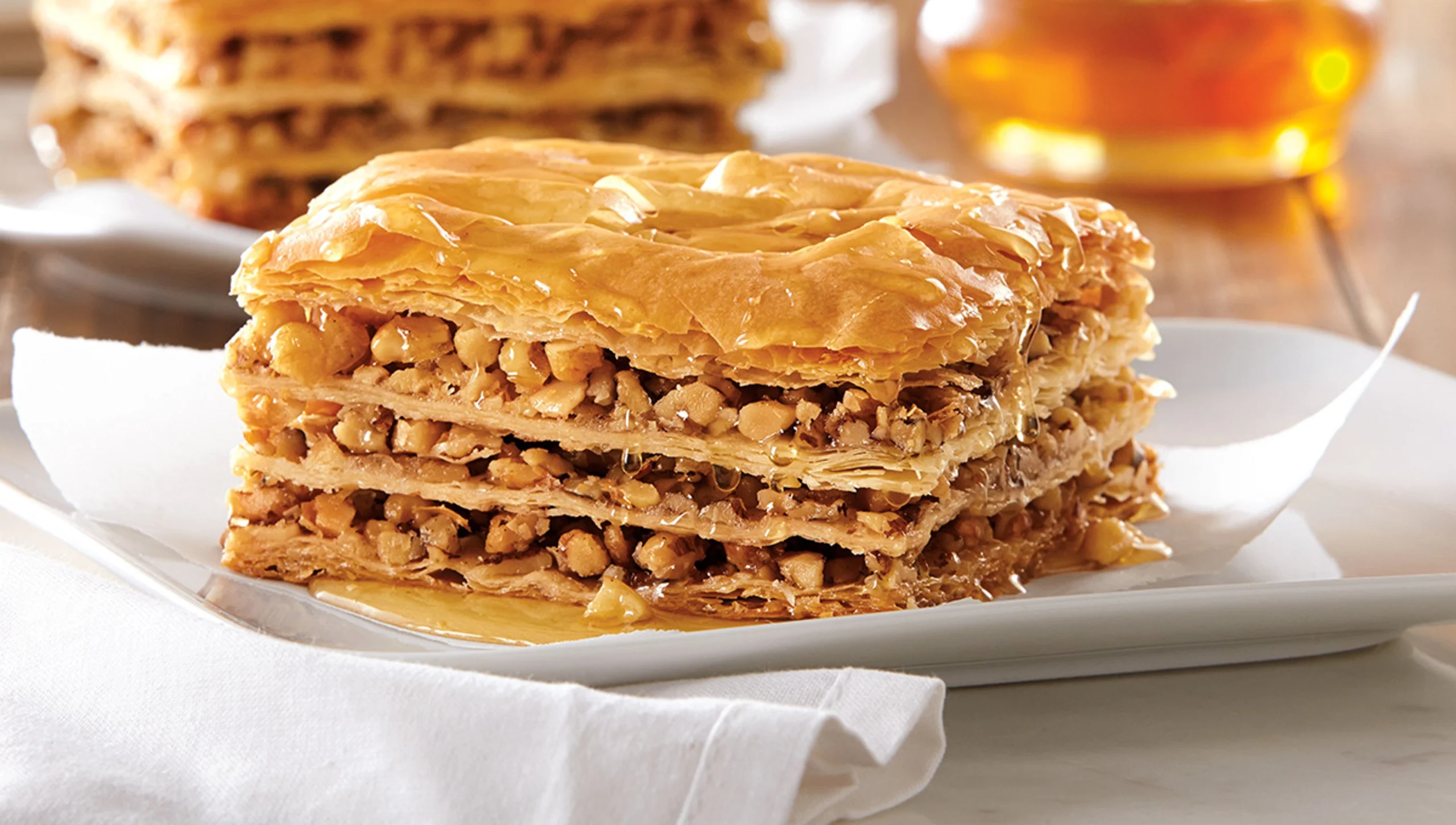
By Baklava is one of the most iconic desserts of Middle Eastern and Mediterranean cuisine. Famous for its many layers of crisp phyllo pastry, rich nut filling, and a sweet, aromatic syrup, baklava is a dessert that feels luxurious yet comforting. Every bite blends crunch, sweetness, and warm spices—making it a treat that is enjoyed during festivals, celebrations, and family gatherings. Although baklava looks complicated, the process is straightforward once you understand how to layer the phyllo and prepare the syrup. This 900-word guide will help you prepare perfect homemade baklava with authentic flavor and delightful texture.
Ingredients
For the Baklava
- 1 pack phyllo pastry sheets (about 40 sheets)
- 1 cup (230g) unsalted butter, melted
- 3 cups mixed nuts (walnuts, pistachios, or almonds)
- 1 teaspoon cinnamon powder
- ¼ teaspoon ground cloves (optional)
- 2 tablespoons sugar (optional, if nuts are not sweet enough)
For the Sugar Syrup
- 1 ½ cups sugar
- 1 cup water
- ½ cup honey
- 1 cinnamon stick
- 3–4 whole cloves
- 1 tablespoon lemon juice
- 1 orange peel strip (optional)
1. Preparing the Nut Filling
To begin, choose your nuts. A traditional baklava uses a combination of walnuts and pistachios, but almonds are also common in certain regions. Chop the nuts coarsely using a knife or food processor. Avoid grinding them too fine, as texture is important. Transfer the chopped nuts into a bowl and combine with cinnamon and ground cloves if using. This mixture forms the crunchy center that contrasts beautifully with the thin pastry layers.
2. Preparing the Syrup
The syrup must be made first so that it has enough time to cool completely before pouring it on the hot baklava. The contrast between hot pastry and cold syrup is what gives baklava its crispy finish.
In a saucepan, add water, sugar, honey, cinnamon stick, cloves, lemon juice, and optional orange peel. Bring to a gentle boil over medium heat. Stir until the sugar dissolves, then reduce the heat and allow it to simmer for about 10–12 minutes. The syrup should thicken slightly but not become sticky like caramel. Remove it from the heat and allow it to cool. The lemon juice prevents crystallization and adds a slight tang that balances the sweetness.
3. Preparing the Phyllo Dough
Phyllo pastry is delicate and dries out quickly. To keep it soft and workable, remove it from the packaging and cover it with a slightly damp towel. Melt the butter and keep it warm so it spreads easily.
Grease a rectangular baking tray with butter. The tray size determines how thick the baklava layers will be. A medium-sized tray (around 9×13 inches) works well for this recipe.
4. Creating the Layered Base
Place the first sheet of phyllo in the tray, making sure it fits well. Brush it gently with melted butter. Repeat this with about 8–10 sheets of phyllo, brushing each layer with butter. These bottom layers provide the structure for the dessert.
Brush lightly—over-buttering makes baklava greasy, while under-buttering causes dryness. The key is to apply an even, thin coat.
5. Adding the Nut Filling
Once the bottom layers are ready, sprinkle an even layer of the nut mixture over the phyllo. Use about ½ to ¾ cup of nuts for each layer, depending on how thick you want the baklava to be.
After adding nuts, place another sheet of phyllo on top and brush with butter. Add two or three more sheets, buttering each one. Then add another layer of nuts. Continue alternating layers of nuts and phyllo sheets until you reach the final top layers.
6. Finishing the Top Layers
To complete the baklava, add about 8–10 sheets on top, brushing each with butter. Make sure the last layer is coated generously to help it crisp and brown beautifully.
Before baking, use a sharp knife to cut the baklava. Traditional shapes include diamonds, squares, or triangles. Cutting before baking prevents the pastry from cracking later and allows the syrup to soak in evenly.
7. Baking the Baklava
Preheat your oven to 160–170°C (320–340°F). Bake the baklava for 45–60 minutes, or until the top is golden brown and the layers look crisp. The slow, moderate heat helps the phyllo bake evenly without burning the top.
If the top browns too quickly, cover it loosely with foil during the later part of baking.
8. Adding the Syrup
Once the baklava comes out of the oven, immediately pour the cooled syrup evenly over the hot pastry. You should hear a soft sizzling sound—this is the pastry absorbing the syrup. Pour slowly to ensure even distribution.
Allow the baklava to rest for at least 3–4 hours before serving, or leave it overnight for best results. The syrup needs time to soak while keeping the top crispy.
Serving Baklava
Baklava is best served at room temperature. It is sweet, rich, and flavorful, so small portions are usually enough. It pairs beautifully with:
- Greek coffee or Turkish coffee
- Black tea
- Mint tea
- Light vanilla or pistachio ice cream
The dessert keeps well for several days without refrigeration because the syrup preserves it. Keep it covered in an airtight container.
Tips for Perfect Baklava
1. Keep phyllo covered
Dry phyllo cracks easily. Line it with a damp towel at all times while assembling.
2. Choose quality honey
Honey adds aroma and depth. A floral or mild honey is ideal.
3. Don’t rush the syrup
Slow simmering ensures clarity and proper thickness.
4. Alternate nut textures
Mix pistachios, walnuts, and almonds for best flavor.
5. Cut before baking
Once baked, phyllo is too fragile to cut cleanly.
6. Don’t refrigerate
Cold temperature hardens the syrup and ruins the texture.
Conclusion
Baklava is a masterpiece of layered pastry, sweet syrup, and crunchy nuts. Although it appears intricate, the recipe is simple once you follow the steps patiently—preparing syrup ahead of time, layering phyllo with care, and baking slowly for perfect crispness. Whether made for festivals, guests, or a weekend dessert, baklava always impresses with its beautiful presentation and irresistible taste. This 900-word guide provides everything needed to create your own homemade baklava with authentic texture and flavor.
Do Follow Us On Instagram