

 By
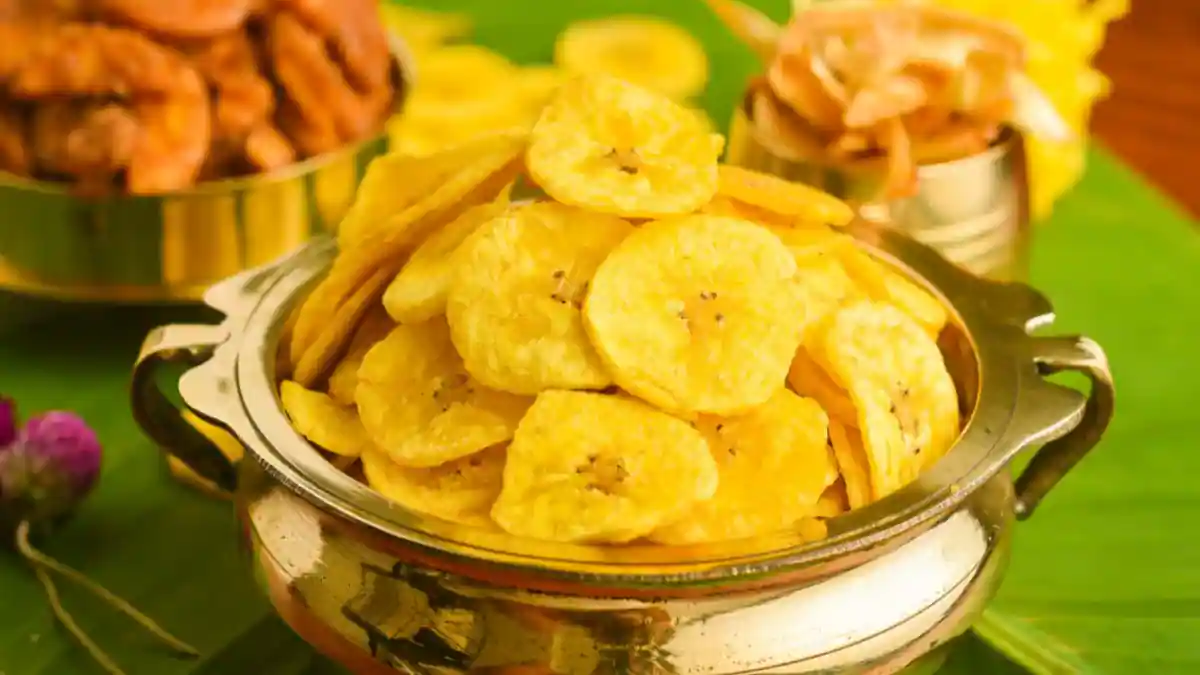
By Banana chips are one of the most loved crispy snacks across India, especially popular in Kerala, Tamil Nadu, and coastal regions. Known for their golden color, crunchy texture, and lightly salted taste, banana chips are made from raw plantain bananas sliced thinly and deep-fried until crisp. Fresh homemade banana chips always taste better than store-bought ones because they are preservative-free, customizable, and can be seasoned exactly to your preference. Although simple to prepare, perfect banana chips need a little patience, the right technique, and a basic understanding of ingredients and frying temperature. This detailed recipe explains how to make authentic bakery-style banana chips at home.
Ingredients Needed
Main Ingredients
- Raw bananas or Nendran bananas – 4 to 5 medium size
- Coconut oil (or any refined oil) – for deep frying
- Turmeric powder – ½ teaspoon
- Salt – as per taste
- Water – ½ cup
Optional Seasoning Variations
- Black pepper powder – ½ teaspoon
- Red chilli powder – ½ teaspoon
- Chaat masala – ½ teaspoon
- Jaggery – 1 cup (for sweet chips)
Step-by-Step Preparation
Step 1: Choosing the Right Bananas
To make perfect banana chips, always use firm, raw bananas. Semi-ripe bananas may turn soft and break during frying. In Kerala, Nendran variety is most commonly used because of its thick flesh and strong shape. It produces crisp, flavorful chips that stay fresh longer. Avoid using bananas with black spots or uneven ripeness.
Step 2: Peeling the Bananas
Start by cutting off both ends of the bananas. Use a small knife to make a shallow vertical slit in the thick green peel and gently remove the skin. Raw banana skin is harder than ripe bananas, so peeling carefully ensures that the banana remains smooth. Once peeled, keep them whole until slicing to prevent discoloration.
Step 3: Preparing Turmeric Water
In a bowl, mix ½ teaspoon turmeric powder with water and stir well. Turmeric helps remove starch from sliced bananas and gives a beautiful, natural yellow color. As soon as you slice bananas, drop them directly into this turmeric water. Soak for 10–15 minutes, then drain completely.
Step 4: Slicing the Bananas
To achieve thin and uniform chips, use a slicer instead of a knife. Slice directly into a tray or into the frying oil using a slicing blade designed for chips. If slicing earlier, soak slices in turmeric water to avoid browning. Thin, even slices make chips crisp faster and help them cook uniformly.
Step 5: Drying the Banana Slices
Drain the banana slices and spread them on a cotton cloth or tissue. Pat them dry gently to remove excess moisture. Moisture causes chips to become oily and soft instead of crispy. Proper drying is a key step for perfect texture.
Cooking Process
Step 6: Heating Oil
Heat enough oil in a deep pan or kadai. If using coconut oil, the chips will have an authentic Kerala aroma. Wait until the oil becomes hot—test by dropping one slice; if it rises immediately with bubbles, the oil is ready.
Step 7: Frying the Banana Slices
Add a handful of slices into the hot oil. Do not overcrowd the pan because that will reduce temperature and make chips soggy. Keep stirring gently so the slices do not stick together. Fry on medium flame until bubbles reduce and chips turn crisp. When the bubbling stops, it means the moisture has evaporated and the chips are ready. Remove using a slotted spoon and place on paper tissue to absorb extra oil.
Continue frying in batches until all slices are used.
Step 8: Salting the Chips
There are two traditional methods for adding salt to banana chips:
Method A: Salt Water Technique
Mix 1 teaspoon salt with 3 tablespoons water. When chips are half-fried, slowly pour a teaspoon of this salt water into the oil. The oil will splutter for a few seconds—be careful. Once the spluttering stops, continue frying until crispy. This method distributes salt evenly and enhances taste.
Method B: Sprinkle Method
After removing chips from oil, sprinkle salt to taste and toss well. This method is easier but may season unevenly.
Flavor Variations
Banana chips can be seasoned in many ways:
1. Pepper Banana Chips
Sprinkle black pepper powder while the chips are hot and mix well.
2. Spicy Banana Chips
Add red chilli powder, salt, and a pinch of chaat masala.
3. Jaggery-Coated Sweet Banana Chips
If you enjoy sweet snacks, melt 1 cup jaggery with ¼ cup water into a thick syrup. Add fried chips, stir until well-coated, and let them cool. The chips will become sweet, glossy, and delicious.
Storage
Once chips are completely cool, store them in an airtight container or tin box. If stored properly, they stay fresh and crunchy for up to 2–3 weeks. Always cool chips before sealing, otherwise trapped steam will cause sogginess.
Tips for Perfect Banana Chips
- Use only firm and raw bananas, not ripe ones.
- Slice bananas evenly for uniform cooking.
- Fry on medium heat for the best crispness.
- Drain moisture well before frying.
- Pour salt water carefully to avoid splashing.
- Allow chips to cool fully before storing.
- Use coconut oil for traditional Kerala flavor.
Serving Suggestions
Banana chips make a perfect tea-time snack and pair wonderfully with hot chai or coffee. They are also great for travel, school lunch boxes, and festival gifting. In Kerala, they are commonly served as a side dish with rice and sambar during Onam and festivals.
Conclusion
Banana chips are a delightful, simple snack that brings homemade happiness to every household. Whether you prefer them lightly salted, spicy, or sweet with jaggery, making them at home allows full control over taste and health. With just a few basic ingredients—raw bananas, oil, turmeric, and salt—you can create crispy, golden, and flavorful chips that rival the best market brands. Once you master the frying technique and slicing style, banana chips will become a regular, loved treat in your kitchen.
Do Follow Us On Instagram