 By
By Database Security: Protecting Data from Unauthorized Access and Cyber Threats
In today’s digital age, data is one of the most valuable assets for businesses and organizations. Companies store massive amounts of information in databases, including customer details, financial records, personal data, and operational information. Because of this, databases have become prime targets for cybercriminals seeking to steal or manipulate sensitive data.
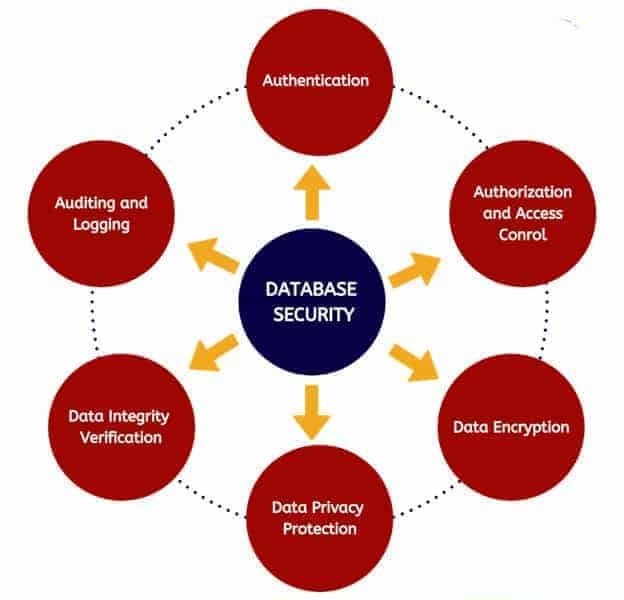
Database Security refers to the technologies, policies, and practices used to protect databases from unauthorized access, data breaches, theft, or corruption. Effective database security ensures that sensitive data remains confidential, accurate, and accessible only to authorized users.
Without strong database security measures, organizations risk financial losses, reputational damage, regulatory penalties, and operational disruptions.
Why Database Security Is Important
Modern organizations rely heavily on databases to manage their operations. From e-commerce platforms and banking systems to healthcare records and enterprise applications, databases power many essential services.
If attackers successfully gain access to a database, they can steal sensitive information, modify records, or even delete critical data. Such incidents can lead to serious consequences for both organizations and their customers.
Strong database security helps organizations:
- Protect sensitive business and customer data
- Prevent unauthorized access to database systems
- Maintain data accuracy and integrity
- Ensure compliance with data protection regulations
- Reduce the risk of cyberattacks and data breaches
Implementing robust security strategies is essential for protecting databases in today’s evolving threat landscape.
Key Components of Database Security
1. SQL Injection Prevention
One of the most common threats targeting databases is SQL injection. This type of attack occurs when attackers insert malicious SQL code into application input fields, allowing them to manipulate database queries.
For example, attackers may exploit poorly designed login forms or search fields to gain unauthorized access to database information.
To prevent SQL injection attacks, developers should implement several security practices:
- Use prepared statements and parameterized queries
- Validate and sanitize all user inputs
- Avoid dynamic SQL queries whenever possible
- Implement secure coding practices
- Use web application firewalls to filter malicious requests
Preventing SQL injection is crucial because it can expose entire databases to attackers if left unaddressed.
2. Role-Based Access Control (RBAC)
Another critical aspect of database security is Role-Based Access Control (RBAC). This method restricts database access based on the roles assigned to users within an organization.
Instead of giving every user full access to the database, RBAC allows administrators to define specific permissions for different roles.
For example:
- Database administrators may have full system control.
- Developers may have limited access for testing and development.
- Regular employees may only access specific data relevant to their tasks.
By enforcing the principle of least privilege, RBAC ensures that users only have access to the information necessary for their roles. This reduces the risk of insider threats and accidental data exposure.
3. Encryption of Data at Rest
Encryption plays a vital role in protecting sensitive data stored in databases. Data at rest encryption converts stored data into unreadable code that can only be accessed with the appropriate decryption key.
If attackers manage to access an encrypted database, they cannot easily read or use the data without the encryption key.
Encryption helps protect various types of sensitive information, including:
- Personal identification data
- Financial transactions
- Healthcare records
- Confidential business information
Proper encryption key management is also essential to ensure that encryption remains effective and secure.
Additional Best Practices for Database Security
Beyond the core security techniques, organizations should adopt additional practices to strengthen database protection.
Regular Software Updates
Keeping database systems updated helps eliminate vulnerabilities that attackers may exploit.
Database Activity Monitoring
Monitoring database activity helps detect suspicious actions such as unusual login attempts or unexpected data access.
Strong Authentication Methods
Using multi-factor authentication adds an extra layer of protection for database access.
Backup and Recovery Strategies
Regular backups ensure that data can be restored in case of cyberattacks, system failures, or accidental deletion.
Security Audits and Testing
Conducting regular vulnerability assessments and penetration testing helps identify potential weaknesses in database systems.
Emerging Trends in Database Security
As cyber threats continue to evolve, database security strategies are also advancing. Organizations are adopting modern technologies to strengthen their defenses.
Some emerging trends include:
- AI-powered threat detection to identify suspicious database activity
- Zero Trust security models that verify every access request
- Automated vulnerability management tools
- Cloud database security solutions
These innovations help organizations protect data in increasingly complex digital environments.