


 By
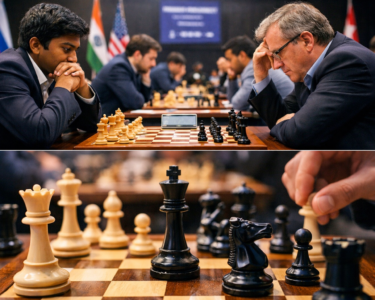
By The global chess community is gearing up for an exciting day as top grandmasters prepare to face off in high-stakes matchups across international tournaments. With elite players competing for rating points, prize money, and qualification spots for upcoming championships, anticipation is running high among fans and analysts alike. As classical, rapid, and online formats continue to reshape the competitive landscape, tomorrow promises a blend of strategic depth, psychological battles, and modern preparation powered by advanced engine analysis.
Across major circuits governed by the FIDE, tournament organizers are reporting strong participation and global viewership interest. The rise of live streaming platforms and commentary panels has significantly expanded chess audiences worldwide, turning tournament rounds into must-watch events. With elite players preparing overnight novelties and refined opening lines, games are expected to showcase both classical foundations and cutting-edge innovation.
Key Players to Watch
Several top grandmasters are entering tomorrow’s rounds in strong form. Reigning world elite players, including Magnus Carlsen and Hikaru Nakamura, continue to dominate rapid and online formats, demonstrating remarkable consistency under time pressure. Meanwhile, younger challengers such as Gukesh Dommaraju and Alireza Firouzja are pushing the competitive boundaries with fearless, dynamic play.
Gukesh, in particular, has shown impressive preparation in complex middlegame positions, often steering games into sharp tactical battles. Firouzja, known for his aggressive style, frequently opts for double-edged openings that create early imbalances. Observers expect tomorrow’s matchups to test the resilience and creativity of both veterans and rising stars.
Opening Trends and Strategic Themes
Modern chess continues to evolve rapidly due to engine-driven preparation. Analysts expect heavy use of dynamic openings such as the Sicilian Defense, the Ruy Lopez, and the Catalan. Players are increasingly opting for flexible structures that allow both positional maneuvering and tactical opportunities. In rapid formats, surprise opening choices often serve as psychological weapons, forcing opponents into unfamiliar territory early in the game.
Endgame technique will also play a crucial role. In closely matched contests, even a slight inaccuracy can shift evaluation dramatically. Grandmasters are now better equipped than ever, armed with deep theoretical knowledge and extensive database preparation. However, over-the-board pressure remains a decisive factor that engines cannot replicate.
Tournament Stakes and Rankings
Tomorrow’s rounds are particularly significant for players seeking rating gains and qualification points toward elite invitationals and championship cycles. Consistent performance can influence seeding positions and sponsorship opportunities. For emerging players, a single strong tournament can dramatically accelerate career momentum.
Online chess continues to complement classical competition. Hybrid events combining over-the-board intensity with digital broadcasting have made the sport more accessible to global audiences. Commentators and analysts will closely monitor momentum shifts, time management strategies, and psychological resilience during tomorrow’s games.
Fan Engagement and Global Growth
Chess has experienced unprecedented growth in recent years, fueled by streaming platforms, grassroots academies, and international youth programs. In countries like India, the United States, and Norway, rising participation rates highlight the game’s expanding popularity. Youth champions are inspiring a new generation of players, increasing competitive depth at every level.
Social media engagement surrounding tomorrow’s fixtures is already building. Fans are debating potential outcomes, predicting tactical fireworks, and sharing opening analyses. Live commentary is expected to attract significant global viewership, reinforcing chess’s transformation into a mainstream spectator sport.