

 By
By The Gulf tensions LPG supply Andhra Pradesh issue has recently become a major concern for both government officials and households across the state. Andhra Pradesh depends heavily on imported crude oil and liquefied petroleum gas (LPG) from Gulf countries such as Saudi Arabia, Qatar, Kuwait, and the UAE. With rising geopolitical tensions in the Middle East, experts are warning that disruptions in supply chains could affect LPG availability in several Indian states, including Andhra Pradesh.
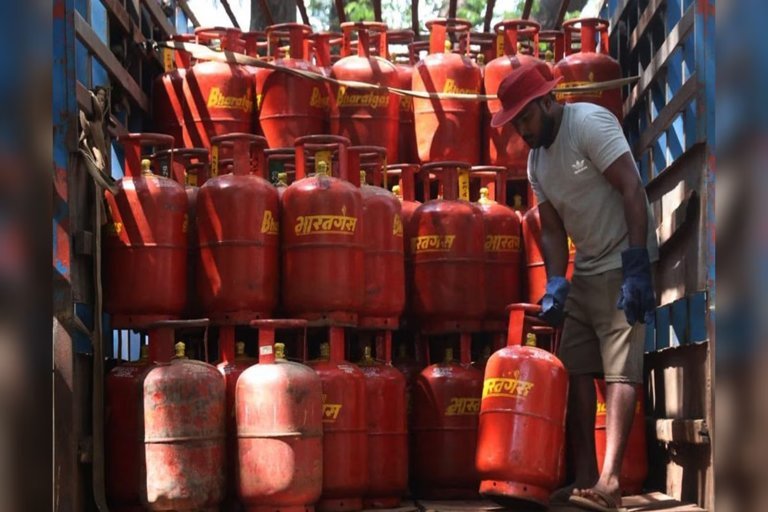
LPG is a critical cooking fuel for millions of families in the state. Any delay in imports or disruption in international shipping routes could create temporary shortages or logistical challenges. Although authorities have assured that there is currently no immediate shortage, the Gulf tensions LPG supply Andhra Pradesh situation is being closely monitored by energy companies and government agencies.
Why Gulf Tensions Affect LPG Supply
India imports more than 60% of its LPG requirements from foreign countries, with a large portion coming from the Gulf region. The Middle East is one of the world’s largest producers and exporters of petroleum products, making it crucial for India’s energy security.
Heavy Dependence on Gulf Energy
Countries like Saudi Arabia, Qatar, and the UAE play a vital role in India’s LPG supply chain. If conflicts or diplomatic tensions escalate in the region, shipping routes such as the Strait of Hormuz could face disruptions. This narrow waterway is one of the most important global energy transit routes, through which millions of barrels of oil and gas pass every day.
If shipping through these routes slows down or becomes risky, LPG imports to India may take longer to arrive. This could create short-term supply pressure in states like Andhra Pradesh that rely heavily on regular cylinder distribution.
Impact on Fuel Prices
Another major concern is the possibility of rising LPG prices. When international crude oil prices increase due to geopolitical tensions, LPG prices usually follow. If the situation in the Gulf continues to remain unstable, domestic LPG prices in India could increase in the coming weeks.
Andhra Pradesh Government Monitoring the Situation
Officials in Andhra Pradesh have stated that there is currently adequate LPG stock available in the state. Oil marketing companies and distribution agencies are maintaining sufficient reserves to ensure uninterrupted supply for households.
Authorities are also coordinating with central government agencies to track the global energy situation. According to officials, contingency plans are in place to manage distribution if there are delays in imports.
Distribution companies have advised consumers not to panic or rush to book additional cylinders unnecessarily. Panic booking could strain the supply chain even if there is no real shortage.
Possible Challenges if Tensions Escalate
Although the present situation remains stable, experts believe that prolonged geopolitical tensions could create several challenges for LPG supply.
Shipping and Transportation Delays
If conflicts affect shipping routes in the Gulf region, LPG carriers may take longer routes or face delays at ports. This could increase transportation costs and reduce the speed of supply to Indian ports.
Increased Import Costs
Higher insurance costs for cargo ships and rising crude oil prices could make LPG imports more expensive. Oil marketing companies might eventually pass on some of these costs to consumers through increased cylinder prices.
Supply Chain Pressure
Even minor disruptions in international energy supply chains can cause pressure on domestic distribution networks. Bottling plants and distribution centers may need to manage inventory carefully to avoid shortages.
What Consumers in Andhra Pradesh Should Know
Despite concerns, officials have reassured citizens that there is no immediate shortage of LPG cylinders. Households can continue their regular usage without worrying about sudden disruptions.
Consumers are advised to:
- Book LPG cylinders only when required
- Avoid panic buying or stockpiling cylinders
- Follow updates from official government announcements
Energy experts also say that India has been improving its energy security by diversifying import sources and maintaining strategic reserves. This helps reduce the risk of sudden supply shocks.
India’s Efforts to Strengthen Energy Security
Over the past decade, India has taken several steps to reduce vulnerability to international energy crises. The government has expanded LPG storage facilities and increased domestic production capacity.
Programs such as the Pradhan Mantri Ujjwala Yojana have significantly expanded LPG usage across rural households, increasing the need for a stable supply system. As demand grows, the government is also exploring alternative sources and long-term contracts with multiple countries.
These measures are designed to ensure that temporary geopolitical tensions do not severely affect domestic LPG availability.
Conclusion
The Gulf tensions LPG supply Andhra Pradesh situation has drawn attention to how global geopolitical developments can influence local energy availability. While there is currently no shortage of LPG cylinders in the state, authorities are closely monitoring developments in the Middle East.
Experts believe that India’s diversified import strategy and strong distribution network will help manage any short-term disruptions. For now, consumers in Andhra Pradesh can remain assured that LPG supplies are stable, and the government is taking necessary steps to maintain uninterrupted distribution.