

 By
By In a tennis era dominated by power hitters and flashy shot-makers, Jessica Pegula built her success differently. No dramatic theatrics. No extreme emotional swings. No reckless shot selection.
Just discipline. Structure. Consistency.
Pegula has become one of the most reliable performers on the WTA Tour, carving out a reputation as a player who rarely beats herself. That reliability is exactly what has kept her inside the elite tier of women’s tennis.
The Playing Style: Controlled Aggression
Pegula’s game is built on balance.
She isn’t the biggest server on tour. She doesn’t overpower opponents with raw speed. Instead, she relies on:
- Clean ball striking
- Early contact timing
- Depth control from both wings
- Smart court positioning
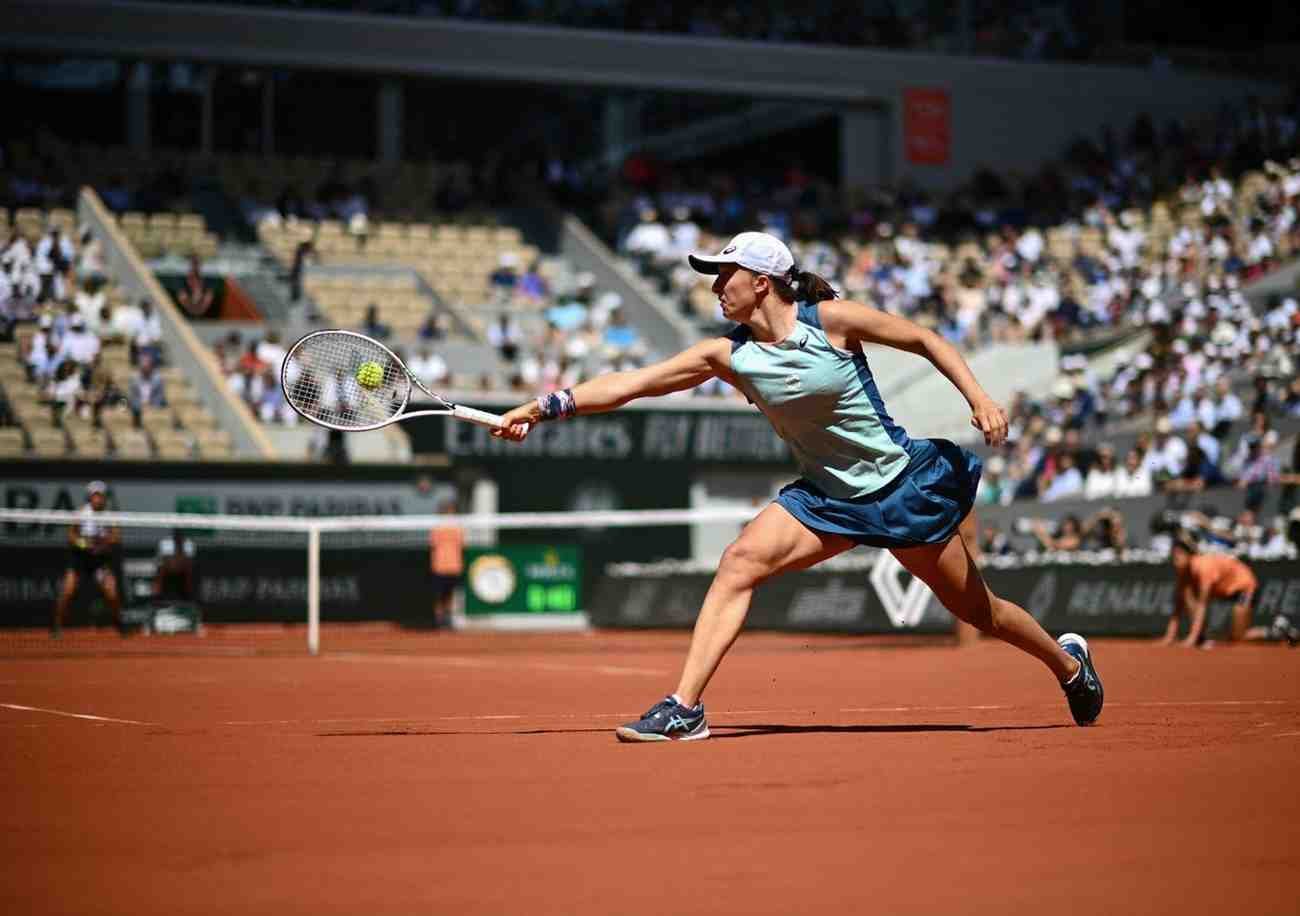
Her backhand, in particular, is one of the most stable shots in the women’s game. She absorbs pace exceptionally well and redirects with precision.
Where some players swing for highlight winners, Pegula constructs points patiently. She forces opponents to hit one extra ball — and often that’s where mistakes happen.
It’s not flashy. But it wins matches.
Late Bloomer, Strong Climber
Unlike teenage prodigies who explode onto the tour early, Pegula’s rise was steady and gradual. She dealt with injuries early in her career, including knee issues that delayed her breakthrough.
Instead of fading away, she rebuilt.
Her real surge came in her mid-20s, when she began producing consistent results at Grand Slams and WTA 1000 events. Quarterfinal appearances at major tournaments became regular rather than surprising.
That kind of late growth often produces mentally tougher players — and Pegula fits that profile.
Grand Slam Consistency
Pegula has repeatedly reached the second week of Grand Slam tournaments. While she has faced difficulty breaking into semifinals consistently, her reliability at majors proves she belongs at the highest level.
Here’s the hard truth:
She’s good enough to compete with the elite.
But she still needs that breakthrough moment.
Against the very top players, margins become microscopic. Pegula’s game is stable — but sometimes she lacks the knockout weapon required to close out matches against explosive attackers.
That’s the gap she must close.
Tactical Strengths
What separates Pegula tactically?
- Return Game – She reads serves well and neutralizes powerful deliveries.
- Baseline Depth – Rarely gives short balls.
- Rally Tolerance – Comfortable in extended exchanges.
- Court Awareness – Smart shot selection under pressure.
She doesn’t panic in tight moments. That’s rare.
While others go for risky winners at 30-all, Pegula often sticks to high-percentage patterns. Over the course of a tournament, that discipline adds up.
Mental Composure
Pegula’s demeanor is calm — almost understated.
No emotional outbursts.
No visible frustration spirals.
No dramatic momentum collapses.
That stability allows her to maintain focus during pressure situations.
In today’s WTA field, where matches can swing quickly, emotional control is a competitive advantage.
However, composure alone doesn’t win titles. At some stage, controlled aggression must evolve into assertive dominance.
Areas That Still Need Improvement
Let’s be realistic.
Pegula’s game, while solid, can sometimes become predictable. Against elite defenders or power hitters, she needs:
- More variety (drop shots, slice changes)
- Stronger first-serve consistency in key moments
- Greater willingness to attack second serves
Without adding those layers, she risks remaining in the “consistent quarterfinalist” category.
And that’s not where champions stay.
Physical Conditioning and Longevity
One underrated aspect of Pegula’s career is durability.
After early injuries, she has maintained strong physical conditioning. She moves efficiently rather than explosively, conserving energy and reducing injury risk.
That sustainable movement style could extend her peak years longer than more physically explosive players.
Longevity matters.
Her Position in Modern Women’s Tennis
The current WTA landscape is highly competitive and unpredictable. Rankings fluctuate. Breakthroughs happen suddenly.
Pegula’s advantage is stability.
She is rarely eliminated early. She consistently collects ranking points. She keeps herself in contention.
But here’s the key question:
Can consistency alone win a Grand Slam?
History suggests you need one additional gear — something disruptive. Whether that becomes a stronger serve, more aggressive net play, or tactical unpredictability will define her legacy.
Final Assessment
Jessica Pegula is not built on hype.
She is built on work, structure, and competitive intelligence.
She may not dominate headlines like younger stars, but she continues to prove she belongs in the upper tier of the WTA.
The next step is simple in theory — hard in execution:
Turn consistency into championship-level assertiveness.
If she adds that final edge, a major title is realistic.
If not, she will remain one of the most respected — but not most decorated — players of her generation.
The window is open.
Now it’s about taking it.