

 By
By 1. Rising Focus on Kidney Health Awareness
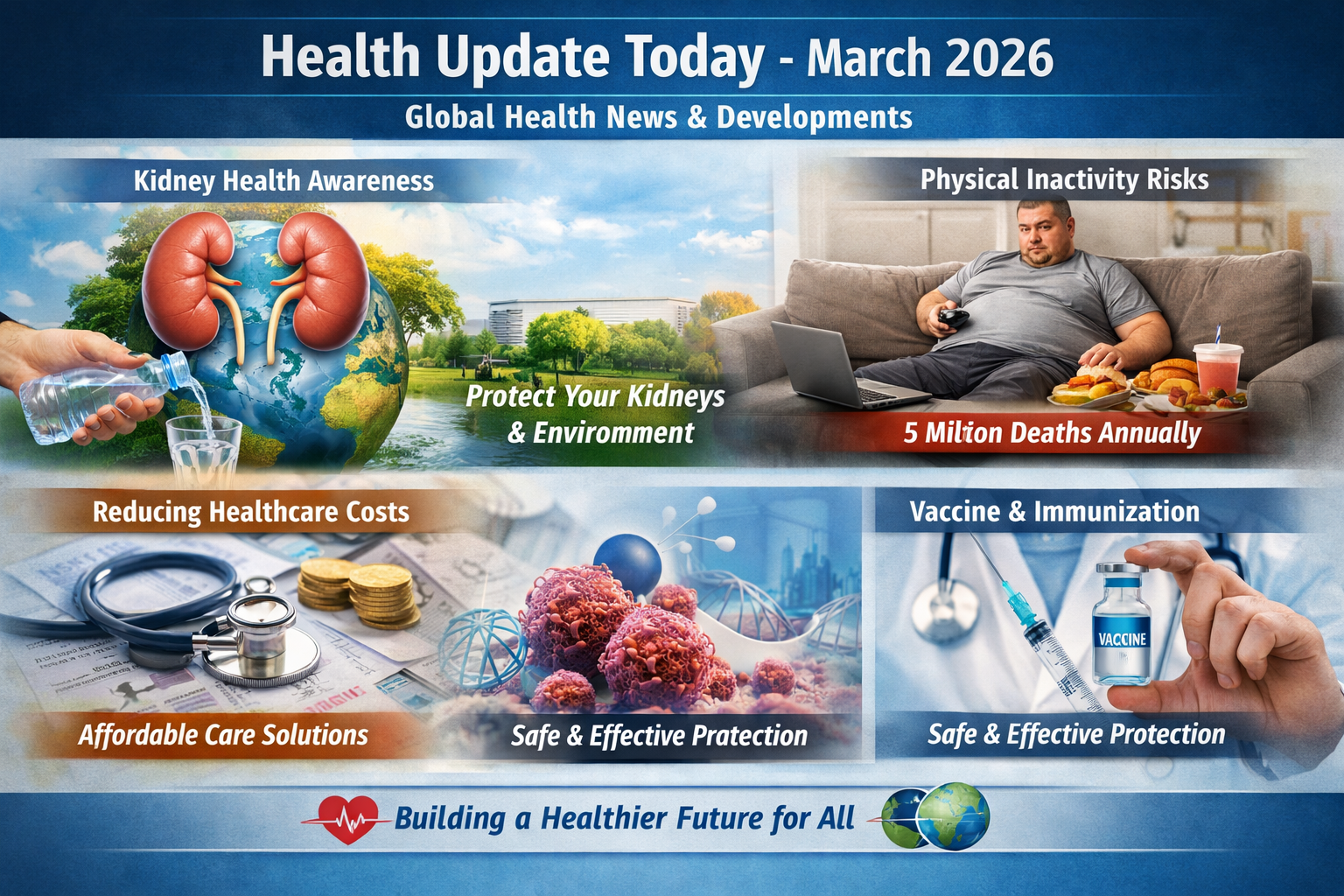
Recent global campaigns are highlighting the importance of kidney health and environmental protection. Experts emphasize that kidney diseases are increasing worldwide due to factors such as unhealthy diets, pollution, and lifestyle changes. Health organizations are encouraging people to drink enough water, reduce salt intake, and maintain a healthy lifestyle to protect kidney function. The theme of this year’s awareness efforts stresses the connection between human health and environmental health, reminding people that protecting the planet also helps protect our bodies.
Kidneys play a crucial role in filtering waste from the blood, controlling blood pressure, and balancing body fluids. Unfortunately, many people ignore early symptoms such as fatigue, swelling in the legs, or changes in urine. Doctors recommend regular health checkups, especially for individuals with diabetes or high blood pressure, since they are at higher risk of kidney disease.
2. Physical Inactivity Linked to Millions of Deaths
Health researchers are increasingly concerned about the growing problem of physical inactivity. Studies suggest that lack of exercise contributes to more than five million deaths globally each year. Sedentary lifestyles, long working hours, and increased screen time are major factors behind this trend.
Health experts recommend simple lifestyle changes such as walking, cycling, or doing light workouts for at least 30 minutes a day. Regular physical activity helps improve heart health, control weight, strengthen muscles, and reduce the risk of chronic diseases such as diabetes and hypertension.
In addition to physical health, exercise also supports mental well-being. People who engage in regular activity often experience reduced stress levels, better sleep, and improved mood.
3. New Research Initiatives to Reduce Healthcare Costs
Researchers and policymakers are working together to address the rising cost of healthcare around the world. New initiatives aim to study healthcare affordability and identify ways to reduce medical expenses for patients. Many people are forced to delay treatment or borrow money to pay medical bills, which highlights the need for better healthcare systems and financial support.
The research focuses on improving insurance systems, increasing preventive care, and using technology such as telemedicine to provide affordable healthcare services. Experts believe that strengthening healthcare systems will help ensure that quality medical treatment is accessible to everyone.
4. Vaccine Discussions and Global Health Policies
Vaccines remain one of the most important tools in preventing infectious diseases. However, discussions about vaccine policies and recommendations continue in many countries. Health authorities stress that vaccines are safe and effective in preventing serious illnesses and reducing the spread of infectious diseases.
Public health experts emphasize the importance of maintaining trust in vaccination programs. Immunization not only protects individuals but also helps create community immunity, protecting vulnerable populations such as children, the elderly, and people with weakened immune systems.
5. New Medical Research Offers Hope for Cancer Treatment
Scientists continue to make progress in cancer research. New experimental therapies are showing promising results in early clinical trials. For example, targeted treatments for certain types of bladder cancer have demonstrated high response rates in patients during initial studies. These developments suggest that precision medicine could play a key role in the future of cancer treatment.
Researchers believe that personalized therapies based on a patient’s genetic profile may lead to more effective treatments with fewer side effects.
Conclusion
Health experts around the world continue to stress the importance of prevention, healthy lifestyles, and accessible healthcare systems. From raising awareness about kidney health to encouraging physical activity and improving healthcare affordability, global health initiatives aim to build healthier communities.
Individuals can contribute to better health by making small but meaningful changes in their daily routines—such as eating balanced meals, exercising regularly, staying hydrated, and attending routine health checkups. As medical research advances and public health policies evolve, these combined efforts will play a vital role in improving global health outcomes and ensuring a healthier future for everyone
Follow Us On Instagram