 By
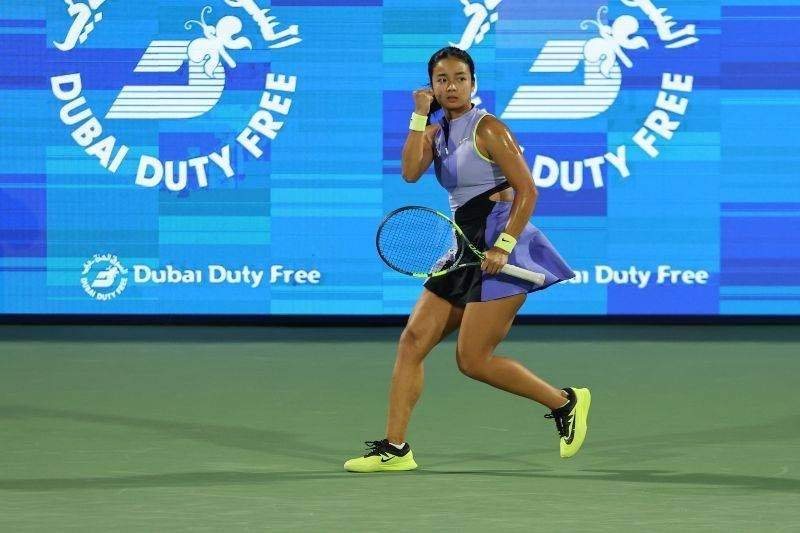
By The Dubai Tennis Championships have taken an unexpected turn as a wave of withdrawals disrupted the main draw, forcing tournament organizers to reshuffle matchups and open doors for several “lucky losers.” While fans may be disappointed by the absence of top names, the situation has reignited a much larger and ongoing debate: is the professional tennis calendar pushing players too far?
A Draw Turned Upside Down
In the days leading up to key matches in Dubai, multiple high-profile players withdrew from the tournament. Whether due to fatigue, minor injuries, or scheduling adjustments, the impact was immediate. Seeded positions were left vacant, matchups changed overnight, and qualifiers who had initially lost in the final qualifying round suddenly found themselves competing in the main draw.
In tennis terminology, a “lucky loser” is a player who loses in the final round of qualifying but enters the main draw due to a late withdrawal. It’s a second chance few expect — and sometimes a career-changing opportunity.
But while it may sound fortunate for those stepping in, the broader picture reveals a strain on the sport.
Why Are So Many Players Withdrawing?
The modern tennis season is relentless. From the Australian hard courts in January to Middle East tournaments in February, players face constant travel, changing climates, and high-intensity competition. Recovery time between tournaments is often minimal.
Top players, especially those who go deep into Grand Slam events, are frequently forced to make tough decisions about where to compete. Even small physical concerns — tight hamstrings, shoulder discomfort, general fatigue — can become serious injuries if ignored.
Rather than risk long-term damage, many players are choosing to withdraw early. It’s a cautious strategy, but one that affects tournament draws and fan expectations.
The Calendar Debate Returns
This latest disruption in Dubai has brought the scheduling debate back into focus. Critics argue that the tennis calendar is overcrowded, particularly for elite players who compete in both singles and doubles or consistently reach late rounds.
Unlike team sports with defined off-seasons, tennis players manage their own schedules across nearly 11 months of competition. The physical and mental toll accumulates quickly.
Some former players and analysts have suggested:
- Reducing the number of mandatory events
- Extending rest periods between major tournaments
- Limiting back-to-back international travel
However, tournament organizers rely heavily on star participation to drive ticket sales and global viewership. Balancing commercial demands with player welfare remains complicated.
Opportunity for the Unexpected
While withdrawals create uncertainty, they also produce opportunity.
Lucky losers entering the Dubai main draw now face a rare chance to compete at a high-profile event without navigating the full qualification route again. History has shown that such moments can spark breakthrough performances. Free from pressure and expectations, these players often compete with freedom and aggression.
For rising players outside the top rankings, this is exposure at the highest level — televised matches, ranking points, and potential momentum.
So while headlines focus on who isn’t playing, there is also a compelling narrative around those stepping forward.
A Warning Sign or Normal Adjustment?
It would be easy to frame the Dubai withdrawals as a crisis, but the reality is more nuanced. Early-season fatigue is common, especially after physically demanding January tournaments. Strategic withdrawals are not new — they are part of modern player management.
Still, when multiple top names pull out in a short span, it signals that scheduling pressures may need reconsideration.
Fans want to see the best compete regularly. Players want longevity. The sport must find a middle ground.
What Happens Next?
The Dubai Tennis Championships will move forward with a reshaped draw. New matchups will create fresh storylines. Unexpected contenders may rise.
But beyond this week, the larger question remains unresolved: how can tennis protect player health while maintaining global momentum?
Until scheduling reforms become more concrete, tournaments like Dubai may continue to experience sudden changes — and lucky losers may continue to find themselves at the center of the spotlight.
In the end, tennis thrives on unpredictability. This week in Dubai proves that even before the first serve is struck, the drama has already begun.