 By
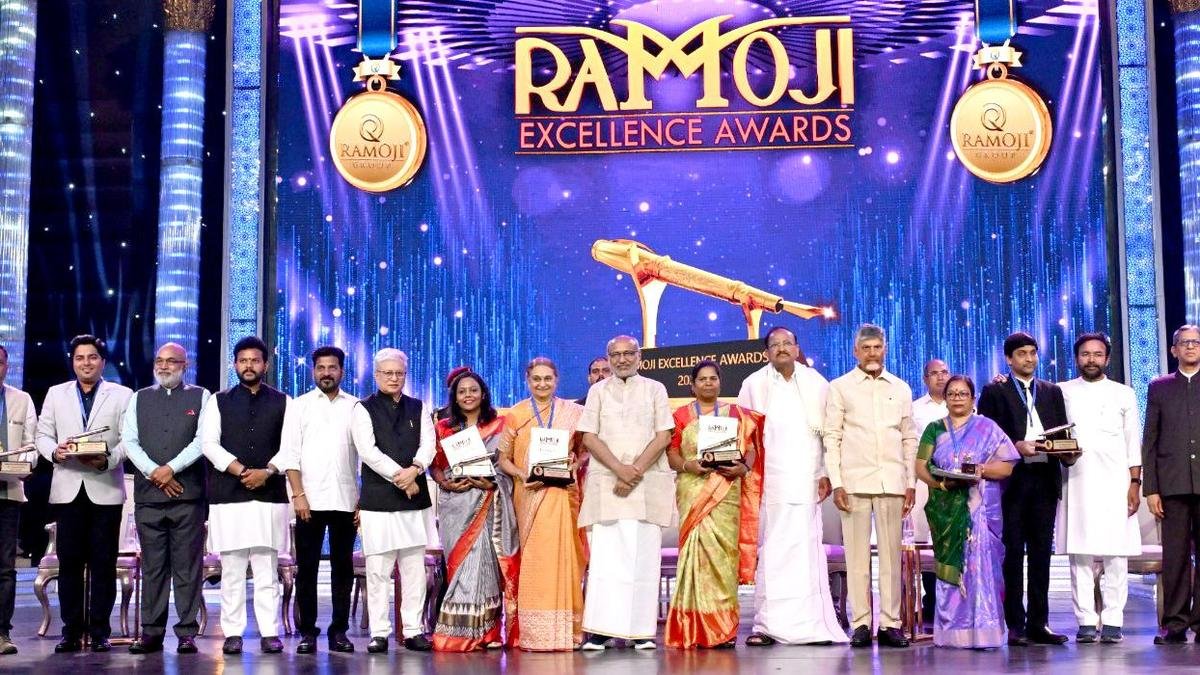
By India’s Vice President, Shri Radhakrishnan, has emphasized the indispensable role of the media in shaping a responsible, informed, and progressive nation. Speaking at a national media conference, he highlighted that objectivity, fairness, and truthfulness must be the foundation of journalism if the media is to become a true partner in India’s nation-building journey. His address underlined not only the responsibilities of the press but also the expectations of a democratic society that relies heavily on credible information.
Media as the Fourth Pillar of Democracy
The Vice President reiterated that in a democratic system, the media is often considered the fourth pillar, complementing the legislature, executive, and judiciary. This role comes with substantial responsibilities—chief among them being the dissemination of accurate information without bias or manipulation.
He pointed out that media channels today play a crucial role in shaping public opinion, influencing policymaking, and holding authorities accountable. However, these responsibilities can be fulfilled only when journalism operates with integrity, neutrality, and transparency.
Objectivity and Fairness: Core Values of Journalism
Addressing editors, reporters, and media students, the Vice President stressed that the fundamental values of journalism cannot be compromised under any circumstances. Objectivity, he said, requires media professionals to look at an issue without prejudice, political leaning, or sensationalism.
What Objectivity Means Today
- Reporting facts without distortion
- Presenting multiple perspectives
- Avoiding emotional or provocative framing
- Keeping personal opinions out of news coverage
Fairness, he added, implies giving individuals and institutions a chance to respond, avoiding one-sided narratives, and refraining from media trials that can damage reputations without legal basis.
Role of Media in Nation-Building
Vice President Radhakrishnan noted that the media’s influence goes beyond merely informing the public. Its role in nation-building is multifaceted, including:
1. Strengthening Democracy
Through investigative journalism, public debates, and policy analysis, the media ensures that citizens remain aware and governments remain accountable.
2. Promoting Social Harmony
Responsible reporting can reduce tensions, curb misinformation, and promote unity among diverse communities.
3. Supporting Economic Development
Coverage of government initiatives, business activities, startups, and innovations helps boost investor confidence and encourages entrepreneurship.
4. Enhancing Public Awareness
Media can educate people on crucial issues like health, environment, governance, and technology, empowering them to make informed decisions.
The Vice President argued that without the media’s active participation, a nation’s developmental goals cannot be fully realized.
Challenges Faced by Today’s Media
While acknowledging the crucial role of media houses, he also highlighted the challenges that threaten journalistic integrity.
1. Increased Commercial Pressure
The competition for ratings and advertisement revenue often results in sensational content overshadowing serious journalism.
2. Rise of Fake News
With social media spreading unverified information at high speed, mainstream media must work harder to differentiate itself through credibility and rigorous fact-checking.
3. Political Polarization
The Vice President warned against biased reporting driven by political or ideological preferences, which can erode public trust.
4. Technological Disruption
Although technology enables faster reporting, it also encourages shortcuts, rapid publishing, and inadequate verification.
He urged media organizations to tackle these challenges with responsibility and long-term vision.
Appeal for Ethical and Responsible Journalism
Vice President Radhakrishnan called upon journalists to act as guardians of truth, not just conveyors of information. Ethical responsibility, he said, must guide every headline, article, and broadcast.
Key principles he highlighted included:
- Verification of facts before publishing
- Transparency in sources and methods
- Avoiding inflammatory content
- Respect for human dignity and privacy
He further encouraged media houses to provide continuous training to reporters to improve their skills in digital journalism, data analysis, and conflict-sensitive reporting.
Media Literacy for Citizens
The Vice President also emphasized the importance of media literacy among the public. In an era of constant digital information, people need the skills to differentiate between truthful journalism and misinformation. Schools, universities, and community groups should promote awareness programs, he suggested, so that citizens can critically evaluate content before accepting it as fact.
Collaborative Effort for a Better India
Concluding his address, Vice President Radhakrishnan said that the relationship between the media and the government must be based on mutual respect and accountability. While governments should ensure freedom of the press and provide access to accurate information, the media must uphold its responsibility to report truthfully and fairly.
He stressed that only through a collaborative, ethical, and objective approach can the media truly become a partner in India’s nation-building process.
Do Follow Us Instagram