

 By
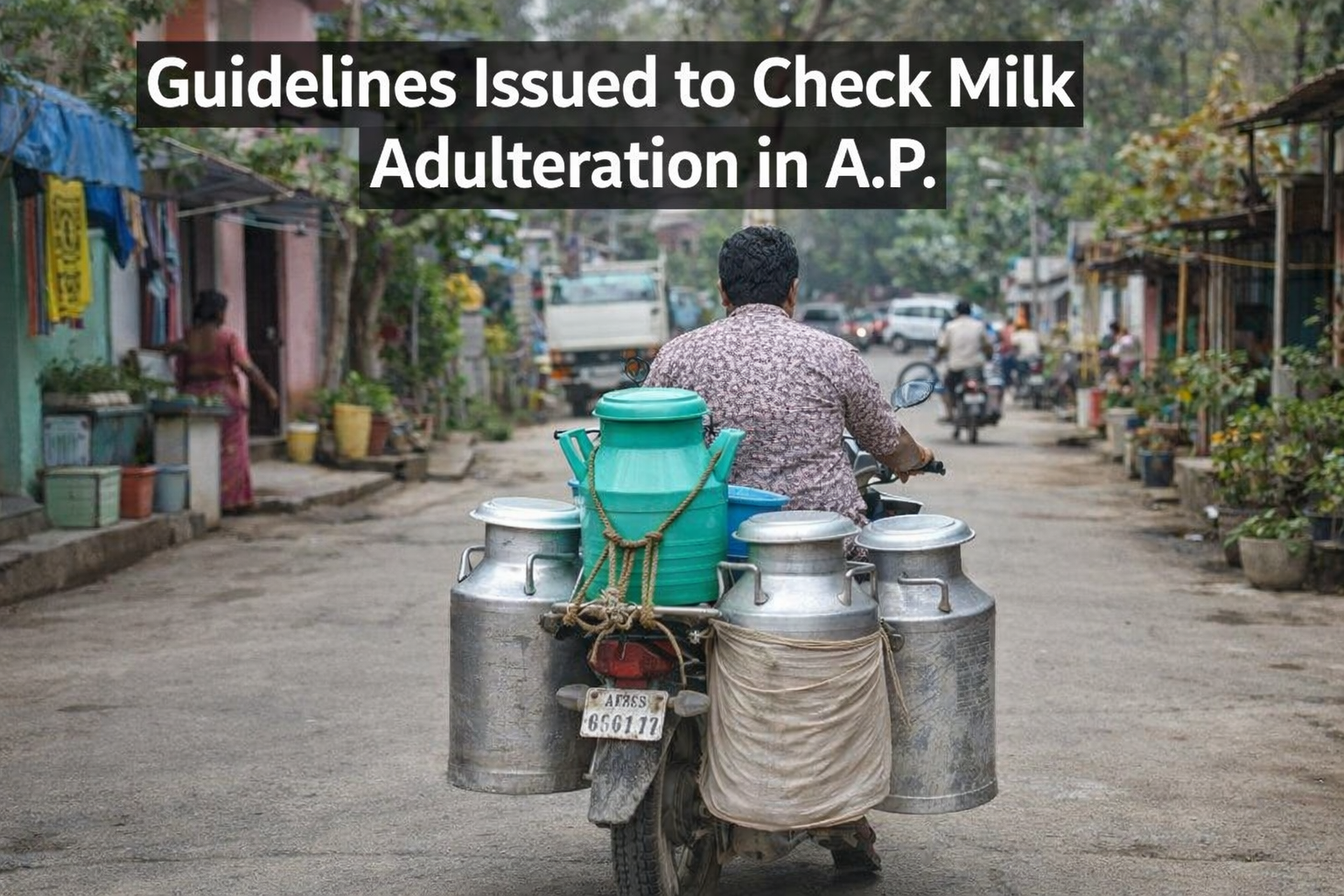
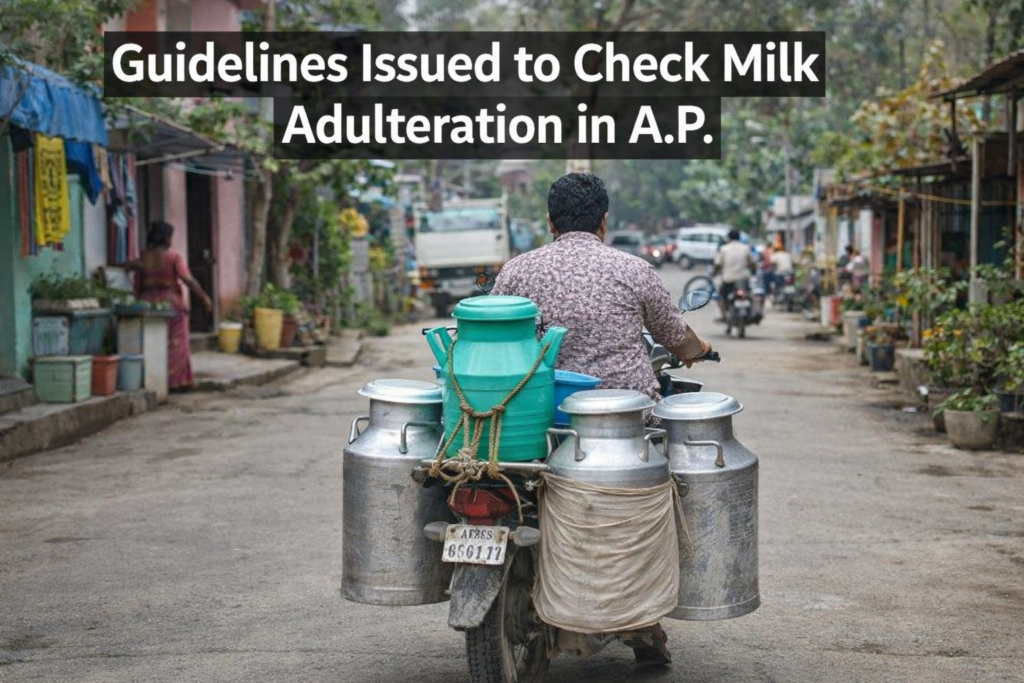
By The milk adulteration guidelines Andhra Pradesh have been issued by state authorities to strengthen food safety and protect public health. The Andhra Pradesh government and food safety officials recently introduced strict measures to monitor milk quality and prevent adulteration in dairy products sold across the state.
These milk adulteration guidelines Andhra Pradesh come after growing concerns about unsafe milk products and several incidents linked to contaminated milk. Authorities have decided to intensify inspections, launch awareness programs, and improve testing procedures to ensure that consumers receive safe and high-quality milk.
Milk is one of the most widely consumed food products in India, especially among children and elderly people. Therefore, preventing adulteration has become a top priority for health authorities and regulatory bodies.
Why the Government Issued the Guidelines
The new guidelines were introduced following reports of milk contamination and health issues caused by adulterated dairy products in some parts of the state.
Authorities say that chemicals, detergents, urea, and other harmful substances are sometimes mixed with milk to increase volume or shelf life. Such practices pose serious health risks and can lead to kidney damage, digestive problems, and other complications.
In one alarming incident, several people reportedly fell ill after consuming contaminated milk, drawing national attention to the need for stronger regulation and monitoring of dairy products.
Key Guidelines to Prevent Milk Adulteration
The Andhra Pradesh government has issued several important guidelines to control milk adulteration and ensure strict enforcement of food safety standards.
Regular Inspection of Milk Collection Centres
Food safety officials will conduct frequent inspections at dairy farms, milk collection centres, and retail outlets. Samples of milk will be collected and tested in laboratories to check for adulteration.
Strict Enforcement of Food Safety Standards
Authorities have instructed dairy operators and vendors to strictly follow standards set by the Food Safety and Standards Authority of India (FSSAI). This regulatory body is responsible for ensuring the safety and quality of food products across the country.
Violations of these standards may result in fines, license suspension, or legal action against those responsible.
Strengthening Testing and Monitoring Systems
The government plans to strengthen laboratory testing systems so that milk samples can be quickly analyzed. Modern testing equipment will be used to detect substances such as:
- Urea
- Detergents
- Synthetic chemicals
- Starch or other thickening agents
These measures will help authorities identify adulterated products before they reach consumers.
Awareness Campaigns for the Public
Along with regulatory measures, the government has also launched awareness campaigns to educate citizens about milk adulteration.
Food safety officials are distributing pamphlets and conducting outreach programs in schools and public places. The aim is to help people identify possible adulteration in milk and dairy products.
For example, experts say consumers can perform simple home tests. One method involves mixing equal amounts of milk and water and checking for excessive foam, which may indicate detergent contamination. Another method uses iodine drops to detect starch adulteration.
Special Enforcement Drives Across the State
Authorities have also launched special enforcement drives targeting milk vendors and dairy outlets. Officials will check supply chains, transportation, and storage facilities to ensure that milk quality remains safe throughout the distribution process.
These inspections will focus on both urban and rural areas, including small vendors and large dairy companies. The goal is to identify violations early and prevent unsafe milk from entering the market.
Role of Consumers in Preventing Adulteration
Officials emphasize that consumers also play an important role in maintaining food safety.
The public can report cases of suspected milk adulteration through official helpline numbers or food safety departments. This helps authorities take immediate action against offenders.
Conclusion
The milk adulteration guidelines Andhra Pradesh represent a major step toward strengthening food safety in the state. By improving inspections, increasing public awareness, and enforcing strict regulations, the government aims to protect consumers from the dangers of adulterated milk.