

 By
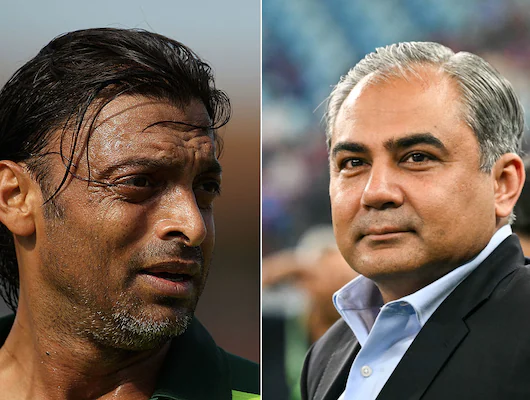
By Former Pakistan speedster Shoaib Akhtar found himself at the centre of controversy after making strong remarks about Mohsin Naqvi, only to quickly backtrack within hours. The incident, which unfolded across television and social media platforms, sparked widespread debate among cricket fans and analysts, raising questions about accountability, leadership, and public criticism within Pakistan cricket.
The controversy began when Akhtar, known for his outspoken nature and blunt opinions, criticized the administration of the Pakistan Cricket Board (PCB). During a discussion on a sports show, the former fast bowler expressed frustration over what he described as mismanagement and lack of cricketing vision. In the heat of the moment, he allegedly referred to Mohsin Naqvi as “illiterate,” a remark that quickly went viral and drew strong reactions from both supporters and critics.
Akhtar’s comments came at a time when Pakistan cricket has been facing intense scrutiny over team selection, leadership decisions, and overall performance in international tournaments. Fans have been divided, with many voicing dissatisfaction over the direction of the team. Akhtar, who has often positioned himself as a passionate advocate for reform in Pakistan cricket, appeared to be channeling the frustration felt by a section of supporters.
However, the backlash was swift. Social media platforms lit up with clips of his statement, and critics pointed out that such personal attacks cross the line of constructive criticism. While disagreements over cricketing decisions are common, targeting an individual’s education or personal background was seen by many as inappropriate and unnecessary. The debate soon shifted from PCB policies to Akhtar’s choice of words.
Within a short period, Akhtar appeared to soften his stance. In subsequent remarks, he clarified that his comments were not meant to personally insult Mohsin Naqvi. He suggested that his criticism was directed at administrative decisions rather than at Naqvi’s character or qualifications. The former pacer emphasized that he respects the PCB chairman and acknowledged the challenges involved in running a major cricket board.
This rapid change in tone led many observers to describe the episode as an “embarrassing U-turn.” Critics argued that public figures, especially former international cricketers with massive followings, must weigh their words carefully before making strong statements. Supporters, on the other hand, suggested that Akhtar’s passion for Pakistan cricket sometimes leads him to speak emotionally, and that his clarification should be accepted in good faith.
The incident also highlights the evolving role of former players in modern cricket discourse. With the rise of digital media, ex-cricketers now operate as influencers, commentators, and analysts whose words carry significant impact. Statements made during live broadcasts can instantly reach millions, amplifying both praise and criticism. In such an environment, even a single controversial phrase can overshadow the broader message being conveyed.
For Mohsin Naqvi and the PCB, the episode adds another layer of complexity to an already challenging period. Cricket in Pakistan is more than just a sport; it is a source of national pride and emotional investment. As a result, leadership decisions are often subjected to intense public debate. The board must navigate criticism while maintaining focus on improving team performance and restoring confidence among fans.
Ultimately, Shoaib Akhtar’s quick U-turn serves as a reminder of the fine line between passionate critique and personal attack. While open discussion and accountability are essential for progress in any sporting system, maintaining respect and professionalism is equally important. The episode may fade from headlines, but it underscores the responsibility that comes with influence—especially in a cricket-obsessed nation like Pakistan.