

 By
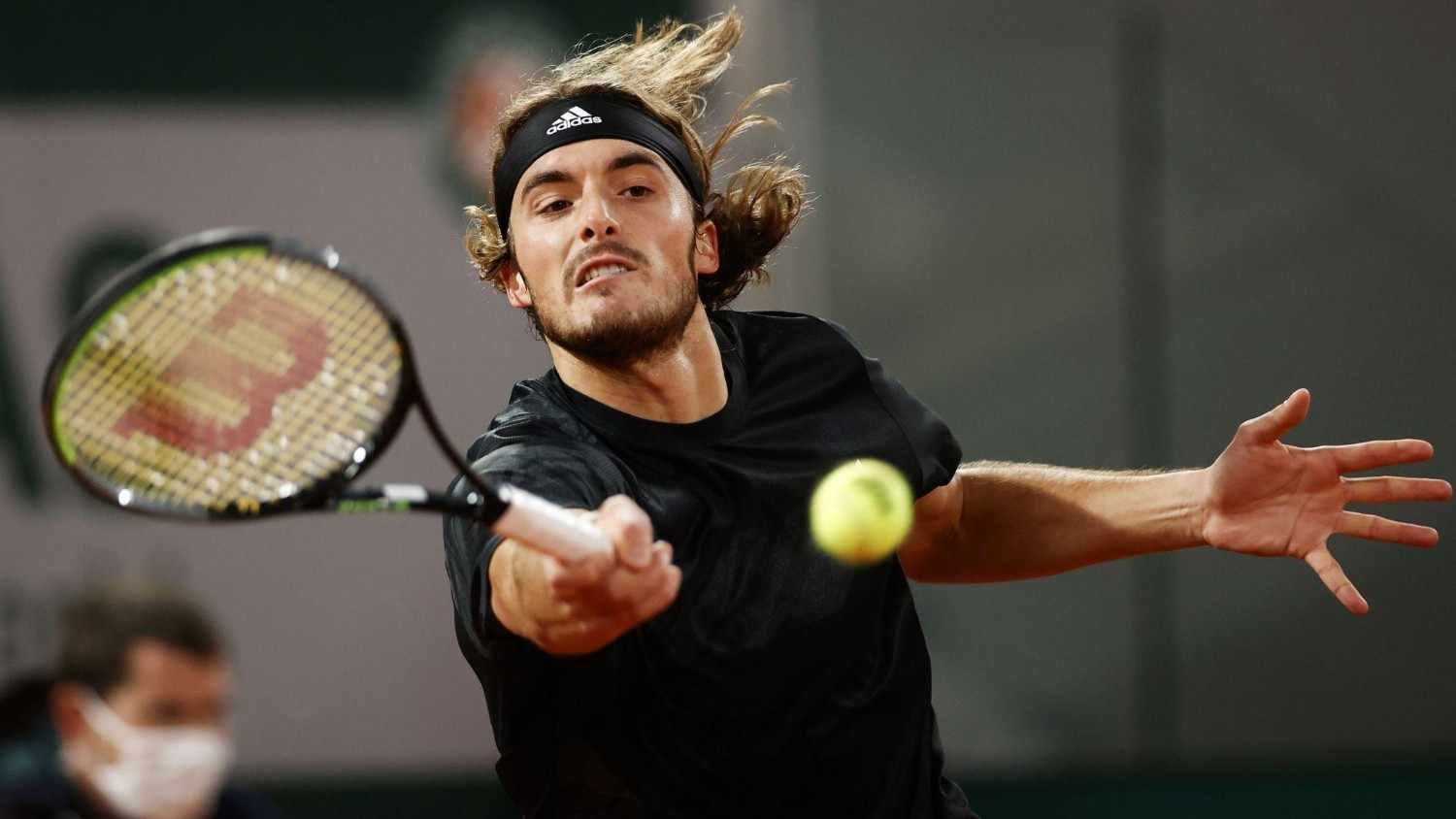
By When Stefanos Tsitsipas steps onto the court at an Open-level tournament, you know exactly what you’re getting — aggressive intent, elegant shot-making, and a one-handed backhand that can either dominate or destabilize him.
His recent Open campaign once again highlighted the dual nature of his game: explosive when controlled, vulnerable when rushed.
The Identity of His Game
Tsitsipas plays offensive tennis built around:
- A heavy topspin forehand
- One of the most stylish one-handed backhands on tour
- Strong first-serve placement
- Willingness to move forward and finish at the net
Unlike pure baseline grinders, he looks to dictate early. When he establishes rhythm, he controls tempo beautifully. His forehand inside-out pattern remains one of the most reliable point-ending tools in men’s tennis.
But the reality is simple: his success depends heavily on rhythm.
If opponents disrupt that rhythm, cracks can appear.
Open Performance Breakdown
In this Open tournament, Tsitsipas showed:
- High first-serve percentages in early rounds
- Confident net approaches
- Strong forehand execution in short rallies
However, longer exchanges exposed familiar weaknesses — particularly under sustained backhand pressure.
Elite opponents continue to target that wing with heavy topspin or deep crosscourt drives. When rushed, his backhand can break down or float short.
That pattern hasn’t disappeared.
Serve + First Ball Combination
At his best, Tsitsipas wins with efficiency.
The serve sets up the forehand. The forehand opens the court. The next ball finishes the rally.
It’s structured, simple, and effective.
During this Open run, his serving numbers were stable, especially on deuce-side wide serves. But second-serve vulnerability remains an issue. Aggressive returners step inside the baseline and attack it immediately.
If he improves second-serve depth and variation, he closes that gap.
Mental and Emotional Stability
Tsitsipas is an emotional competitor.
He feeds off momentum. When things go well, his energy lifts noticeably. When momentum swings against him, body language sometimes reveals frustration.
In this Open appearance, composure was improved compared to previous seasons. He managed tight games without visible panic.
That’s progress.
But Grand Slam-level consistency demands total emotional control over five sets. That remains a work in progress.
Physical Conditioning and Movement
Physically, Tsitsipas is strong and agile for his height. His movement forward and lateral coverage on hard courts are solid.
Where he occasionally struggles is defensive scrambling against elite speed. When stretched wide on the backhand side, recovery positioning can lag slightly.
Against aggressive counterpunchers, that delay matters.
Tactical Growth Areas
Let’s be direct.
To convert Open-level deep runs into major titles, Tsitsipas must:
- Strengthen backhand resilience under pressure.
- Improve return consistency against elite servers.
- Add more variation — slice depth, drop shots, tempo changes.
Predictability becomes a problem against top-tier opponents who study patterns carefully.
Right now, he’s excellent — but not consistently disruptive.
Ranking and Season Impact
A strong Open performance helps:
- Secure valuable ATP ranking points
- Improve seeding for Masters events
- Build confidence before high-pressure tournaments
Momentum in tennis is fragile. One deep run can set up a strong Masters swing. One early exit can trigger ranking pressure.
Tsitsipas needs sustained results — not isolated peaks.
The Big Question
He has already reached major finals in his career. He has proven he can compete with the best.
But here’s the truth:
Talent isn’t the issue.
Shot-making isn’t the issue.
Consistency under elite pressure is the issue.
The gap between Top 5 and Grand Slam champion is razor-thin. Small tactical refinements and mental stability could push him across that line.
Or stagnation could keep him hovering just outside dominant territory.
Final Assessment
Stefanos Tsitsipas remains one of the most aesthetically gifted players on the ATP Tour.
His Open performance reaffirmed his strengths:
- Aggressive forehand
- Effective net play
- Solid first-serve patterns
But it also highlighted familiar limitations under sustained pressure.
The blueprint for a major title is there.
The question is whether he refines it in time.
Because in modern tennis, evolution isn’t optional — it’s survival.