 By
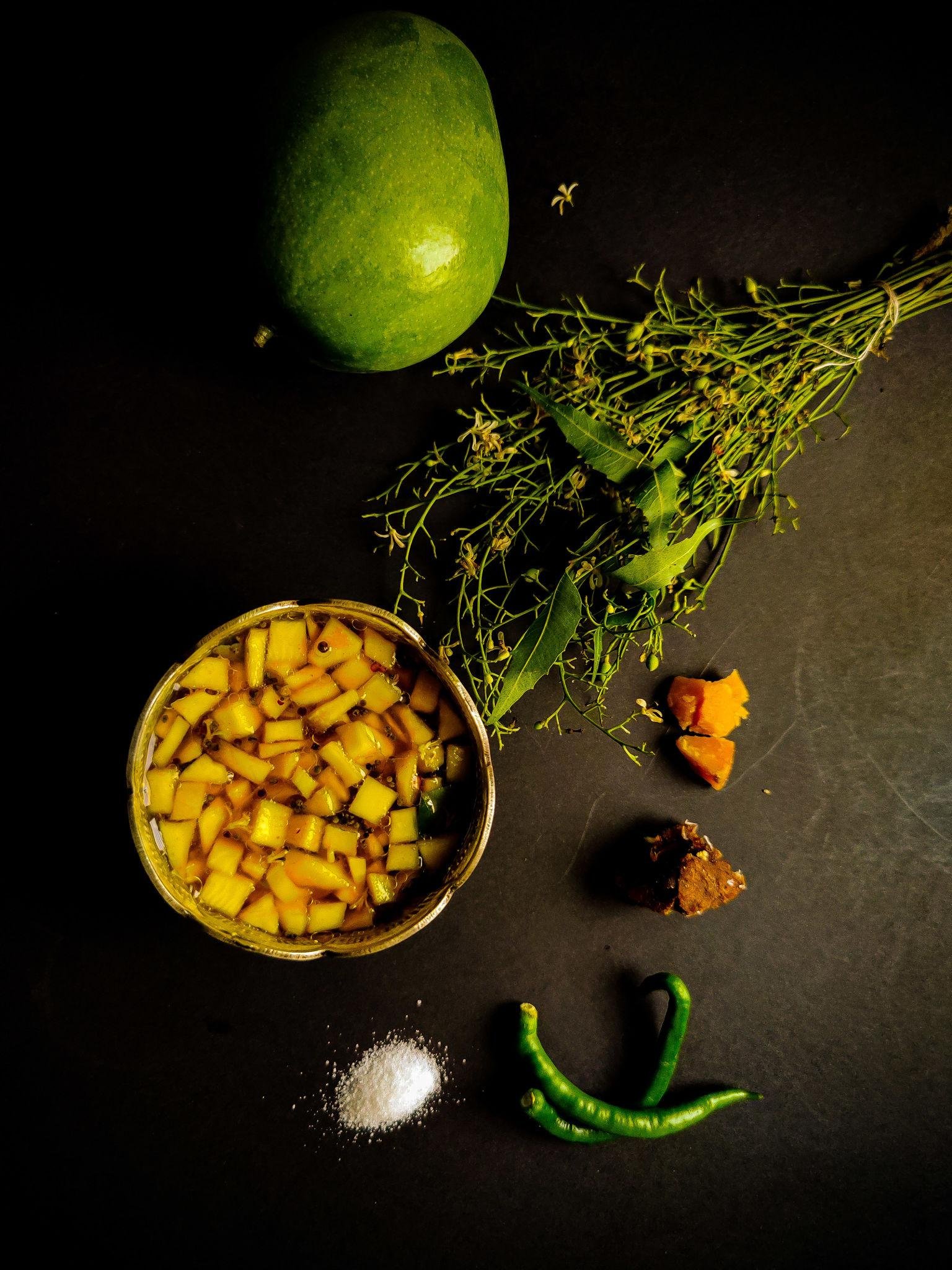
By Ugadi Pachadi is a special dish prepared during Ugadi, the Telugu and Kannada New Year. More than just a recipe, Ugadi Pachadi carries deep symbolic meaning. It combines six distinct tastes—sweet, sour, bitter, spicy, salty, and tangy—each representing different emotions and experiences of life. The dish reminds us to accept life in all its forms with balance and positivity.
Below is a clear, traditional step-by-step Ugadi Pachadi recipe, prepared without cooking, exactly as followed in many South Indian households.
Significance of Ugadi Pachadi
Ugadi Pachadi teaches an important life lesson:
- Sweet (Bellam / Jaggery) – Happiness
- Sour (Chintapandu / Tamarind) – Challenges
- Bitter (Vepa Puvvu / Neem flowers) – Sadness
- Spicy (Mirapakayalu / Green chilies) – Anger
- Salty (Uppu / Salt) – Fear
- Tangy (Mango / Raw mango) – Surprise
Together, these flavors represent the truth that life is a mix of emotions, and each must be accepted gracefully.
Ingredients (Serves 4–6)
- Neem flowers (vepa puvvu) – 1 teaspoon (fresh or dried)
- Jaggery (bellam) – 4 to 5 tablespoons (grated or syrup)
- Tamarind (chintapandu) – small lemon-sized ball
- Raw mango – 2 tablespoons (finely chopped or grated)
- Green chilies – 1 to 2 (finely chopped)
- Salt – a pinch
- Water – ½ to ¾ cup (as required)
Step-by-Step Preparation Method
Step 1: Preparing Tamarind Water
Soak tamarind in warm water for 10–15 minutes. Squeeze it well and extract thick tamarind juice. Remove fibers and seeds. Keep the tamarind water aside.
Step 2: Preparing Jaggery
If using solid jaggery, dissolve it in a little warm water and strain to remove impurities. You can also use grated jaggery directly if it is clean.
Step 3: Mixing the Pachadi
Take a clean bowl. Add tamarind water first. Now add dissolved jaggery and mix well until balanced.
Add finely chopped raw mango, green chilies, and a pinch of salt. Stir gently.
Finally, add neem flowers and mix lightly.
Step 4: Adjusting Taste
Taste the pachadi and adjust flavors:
- Add more jaggery for sweetness
- Add more tamarind for sourness
- Add chili for heat
Ugadi Pachadi should be balanced, not overpowering in any one taste.
Consistency
Ugadi Pachadi should be slightly watery, similar to thin chutney or juice—not thick like curry.
Serving Method
- Ugadi Pachadi is traditionally prepared early morning on Ugadi day
- It is offered to God first (naivedyam)
- Served in small quantities to family members before the main Ugadi meal
Tips for Authentic Taste
- Use fresh neem flowers if available
- Do not skip any ingredient—they all have symbolic value
- Chop ingredients finely for even flavor distribution
- Always taste and balance before serving
Variations (Traditional & Modern)
- Some families add banana pieces for extra sweetness
- A few add black pepper powder instead of green chili
- Sugar can be used if jaggery is unavailable (not preferred traditionally)
Health Benefits
- Neem flowers help detoxify the body
- Tamarind aids digestion
- Raw mango boosts immunity
- Jaggery provides energy
- Spices stimulate metabolism
Conclusion
Ugadi Pachadi is not just a festive dish—it is a philosophy of life served in a bowl. Each spoonful reminds us that the coming year will bring joy, sorrow, challenges, and surprises, and we must embrace all with courage and balance. Simple to prepare yet rich in meaning, Ugadi Pachadi holds a special place in Telugu culture and tradition.
Do Follow Us on Instagram