

 By
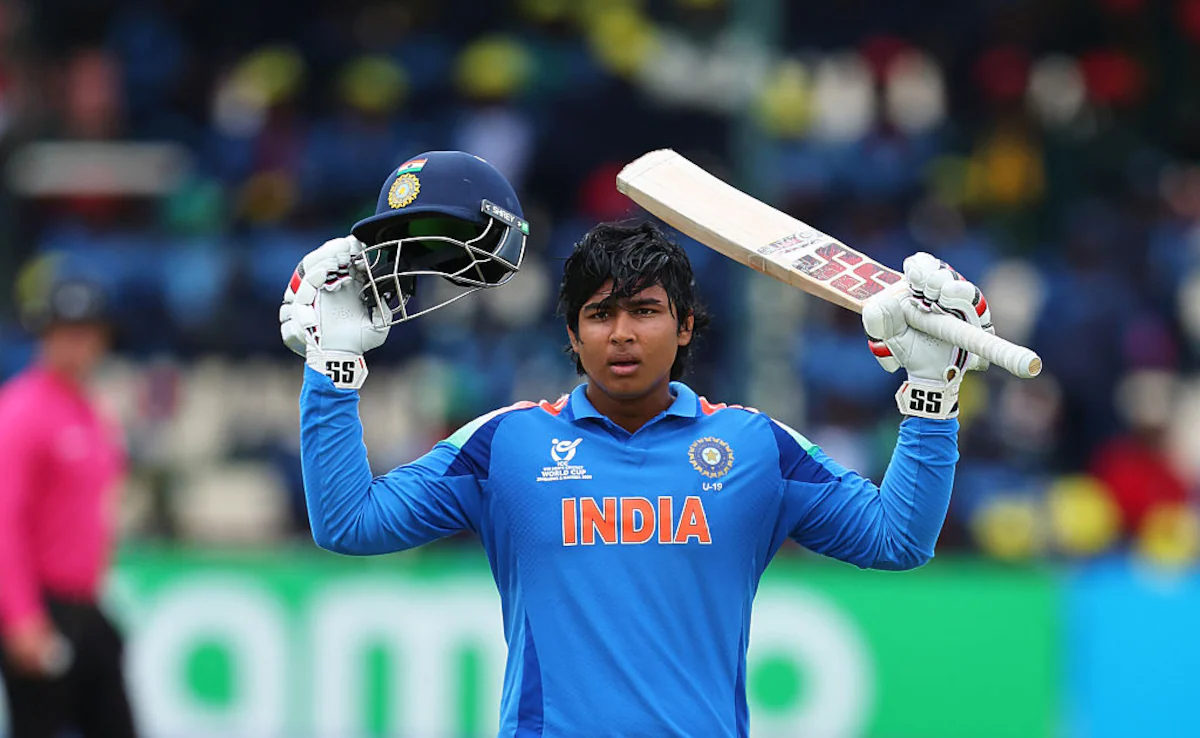
By Vaibhav Suryavanshi has emerged as one of the most exciting young batting prospects in Indian cricket. His fearless stroke play, maturity beyond his age, and ability to perform under pressure have drawn widespread attention from fans, former cricketers, and analysts. Performances at the Under-19 level, especially on big stages, have naturally led to calls for his early inclusion in the senior Indian team. However, despite the growing excitement and interest, there are clear reasons why his senior India debut cannot happen just yet.
The primary and most decisive factor is age eligibility. International cricket is governed by strict regulations laid down by the International Cricket Council (ICC). These rules state that a player must be at least 15 years old to represent a country at the senior international level. Vaibhav Suryavanshi is currently below this minimum age requirement. Regardless of talent, form, or public demand, this rule is non-negotiable and applies equally to all cricket boards across the world.
Even if the Board of Control for Cricket in India (BCCI) were interested in fast-tracking his entry into the national side, it does not have the authority to bypass ICC regulations. International cricket operates within a standardized framework to maintain fairness and uniformity across nations. Selection decisions must therefore comply with global eligibility norms, making an early debut impossible until the age criteria are met.
Beyond regulations, there is also a strong developmental and welfare aspect to consider. Senior international cricket brings immense physical and mental pressure. The pace, intensity, media scrutiny, and expectations at the highest level are significantly greater than in junior cricket. For a player as young as Vaibhav, careful management is essential to ensure long-term growth rather than short-term gains. Rushing a prodigy into senior cricket too early can sometimes lead to burnout, injuries, or stalled development.
Another important factor is experience and conditioning. While Vaibhav has excelled against players of his age group, senior international cricket features seasoned professionals with years of domestic and international exposure. Facing world-class bowlers consistently requires not just skill but also physical strength, endurance, and tactical awareness built over time. Allowing him to continue progressing through age-group and domestic cricket will help bridge this gap naturally.
Historically, Indian cricket has taken a measured approach with young talents. Players who dominated at junior levels were gradually introduced to higher competitions, allowing them to adapt step by step. This method has proven successful in building careers that last long and deliver consistent performances. In Vaibhav’s case, the current focus remains on nurturing his talent, refining his technique, and protecting him from unnecessary pressure.
It is also worth noting that being ineligible for the senior team does not mean stagnation. Vaibhav still has multiple platforms to showcase and sharpen his skills, including youth tournaments, domestic cricket, and structured training programs. These opportunities will prepare him both technically and mentally for the demands of international cricket when the time is right.
In conclusion, Vaibhav Suryavanshi’s delayed senior India debut is not a reflection of doubt about his ability, but rather a result of age regulations, player welfare considerations, and long-term planning. His talent is undeniable, and expectations remain high. With patience, proper guidance, and continued performances, his time with the senior Indian team is likely not a question of if, but when.