 By
By A health condition once considered a problem of middle-aged adults is increasingly affecting younger generations. Medical experts around the world are reporting a rise in cases of fatty liver disease among people in their twenties and thirties.
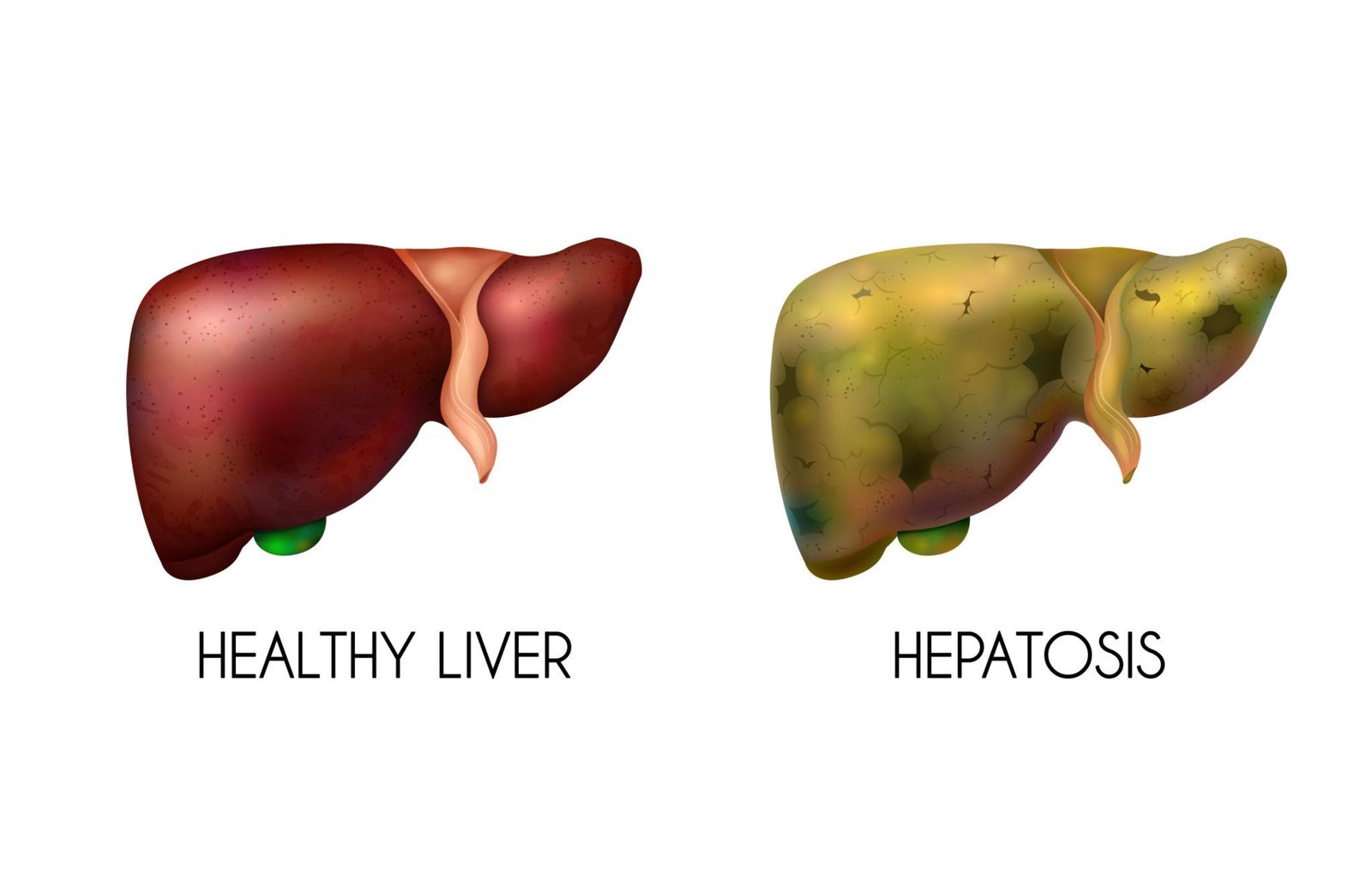
Fatty liver disease occurs when excess fat accumulates in the liver. While some fat in the liver is normal, excessive amounts can lead to inflammation, scarring, and long-term liver damage if left untreated.
One of the biggest concerns is that fatty liver disease often develops silently. Most individuals experience no noticeable symptoms during the early stages. As a result, many people remain unaware that they have the condition until it is discovered during routine blood tests or ultrasound examinations.
Healthcare professionals believe modern lifestyles are playing a major role. Increased consumption of processed foods, sugary beverages, fast food, and sedentary habits are contributing to rising obesity rates and metabolic disorders. These factors significantly increase the risk of developing fatty liver disease.
People with obesity, Type 2 diabetes, high cholesterol, or high blood pressure are particularly vulnerable. However, doctors are also seeing cases in individuals who appear healthy but maintain poor dietary habits and low physical activity levels.
Warning signs, when they do occur, may include fatigue, discomfort in the upper right side of the abdomen, unexplained weakness, and difficulty concentrating. However, these symptoms are often vague and easy to overlook.
The good news is that early-stage fatty liver disease can frequently be reversed through lifestyle changes. Doctors recommend maintaining a healthy weight, exercising regularly, reducing sugar intake, avoiding excessive alcohol consumption, and eating a balanced diet rich in fruits, vegetables, and whole grains.
Regular health screenings are also important, especially for individuals with diabetes, obesity, or a family history of liver disease.
Experts emphasize that awareness is the first step. Understanding the risks and adopting healthier habits today can help protect liver health and prevent serious complications in the future.
As cases continue to rise worldwide, fatty liver disease is becoming an important public health issue that deserves greater attention from both healthcare providers and the public.