 By
By Computer Software: An Overview
Computer software is the collection of programs, instructions, and data that enable a computer to perform specific tasks. While hardware represents the physical components of a computer system, software acts as the brain that tells the hardware what to do. From operating systems and productivity tools to mobile applications and advanced artificial intelligence systems, software plays a crucial role in modern life. Without software, even the most powerful computer would be unable to function effectively.
Types of Computer Software
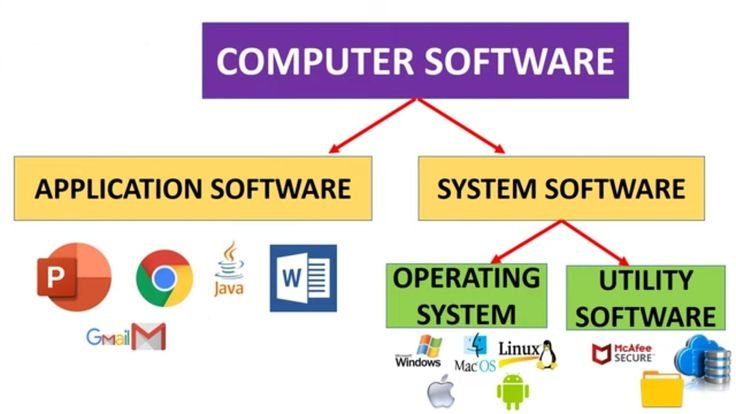
Software is generally divided into two main categories: system software and application software. System software includes programs that manage and control the computer’s hardware, such as operating systems like Windows, macOS, and Linux. These programs create a platform where other software can run smoothly. Application software, on the other hand, is designed for end users to perform specific tasks. Examples include word processors, web browsers, video editing tools, and games. In addition, there is also programming software, which provides tools for developers to create new applications using languages like JavaScript, Python, or Java.
Importance of Software in Daily Life
In today’s digital world, software has become essential for communication, education, business, entertainment, and healthcare. People use messaging apps and social media platforms to stay connected with friends and family. Students rely on educational software for online learning, assignments, and research. Businesses depend on accounting systems, customer relationship management (CRM) tools, and data analysis software to manage operations efficiently. Even healthcare professionals use specialized software for patient records, diagnosis support, and medical imaging. This widespread use highlights how deeply software is integrated into everyday activities.
How Software is Developed
The process of creating software is known as software development. It usually begins with planning and analyzing user requirements. Developers then design the structure of the program and write code using programming languages. After coding, the software goes through testing to identify and fix bugs or errors. Once the application is stable, it is deployed to users, and developers continue to maintain and update it. Modern development often follows structured methods such as Agile or DevOps, which allow teams to deliver updates quickly and improve software based on user feedback.
Advantages of Computer Software
One of the biggest advantages of software is automation. Tasks that once required hours of manual effort can now be completed within seconds using the right programs. Software also improves accuracy and productivity, reducing human errors in calculations and data management. Additionally, cloud-based software allows users to access files and tools from anywhere in the world, promoting remote work and collaboration. Custom software solutions can be designed to meet specific organizational needs, giving businesses a competitive advantage in the market.
Challenges and Security Concerns
Despite its many benefits, software also comes with challenges. Security threats such as viruses, malware, and hacking attempts can compromise sensitive information. Regular updates and antivirus protection are essential to keep systems safe. Another challenge is compatibility, as some software may not work properly across different devices or operating systems. Software bugs and crashes can also affect performance, which is why testing and maintenance are critical parts of the development cycle.
Future of Computer Software
The future of computer software is closely linked to emerging technologies such as artificial intelligence, machine learning, and cloud computing. AI-powered applications are becoming smarter, capable of understanding natural language and making predictions based on data. Automation tools are transforming industries by reducing repetitive tasks. The rise of low-code and no-code platforms is making software development more accessible, allowing people with limited technical knowledge to create their own applications. As technology continues to evolve, software will become even more intelligent, efficient, and personalized.
Conclusion
Computer software is the driving force behind modern technology, enabling users to interact with digital systems and accomplish a wide range of tasks. From simple applications like calculators to complex enterprise systems and AI tools, software continues to shape how we work, learn, and communicate. Understanding the role of software helps individuals and organizations make better use of technology while staying aware of security and maintenance needs. As innovation progresses, the importance of software in our daily lives will only continue to grow, making it one of the most significant aspects of the digital age.
Do you follow instagram