

 By
By Physical Security in 2026: Protecting People, Property, and Assets
In a world where technology dominates, physical security remains a fundamental pillar of safety. While cybersecurity and digital safeguards often grab headlines, the importance of securing tangible assets, buildings, and personnel cannot be overstated. From corporate offices to industrial plants, physical security measures help prevent theft, vandalism, unauthorized access, and even physical harm.
Why Physical Security Matters
Physical security protects people, property, and information. Unlike cybersecurity, which guards against digital threats, physical security addresses risks in the real world. A break-in, fire, or unauthorized entry can cause immediate damage, data loss, or even threaten lives. Therefore, integrating physical security strategies is essential for organizations of all sizes.
Core Components of Physical Security
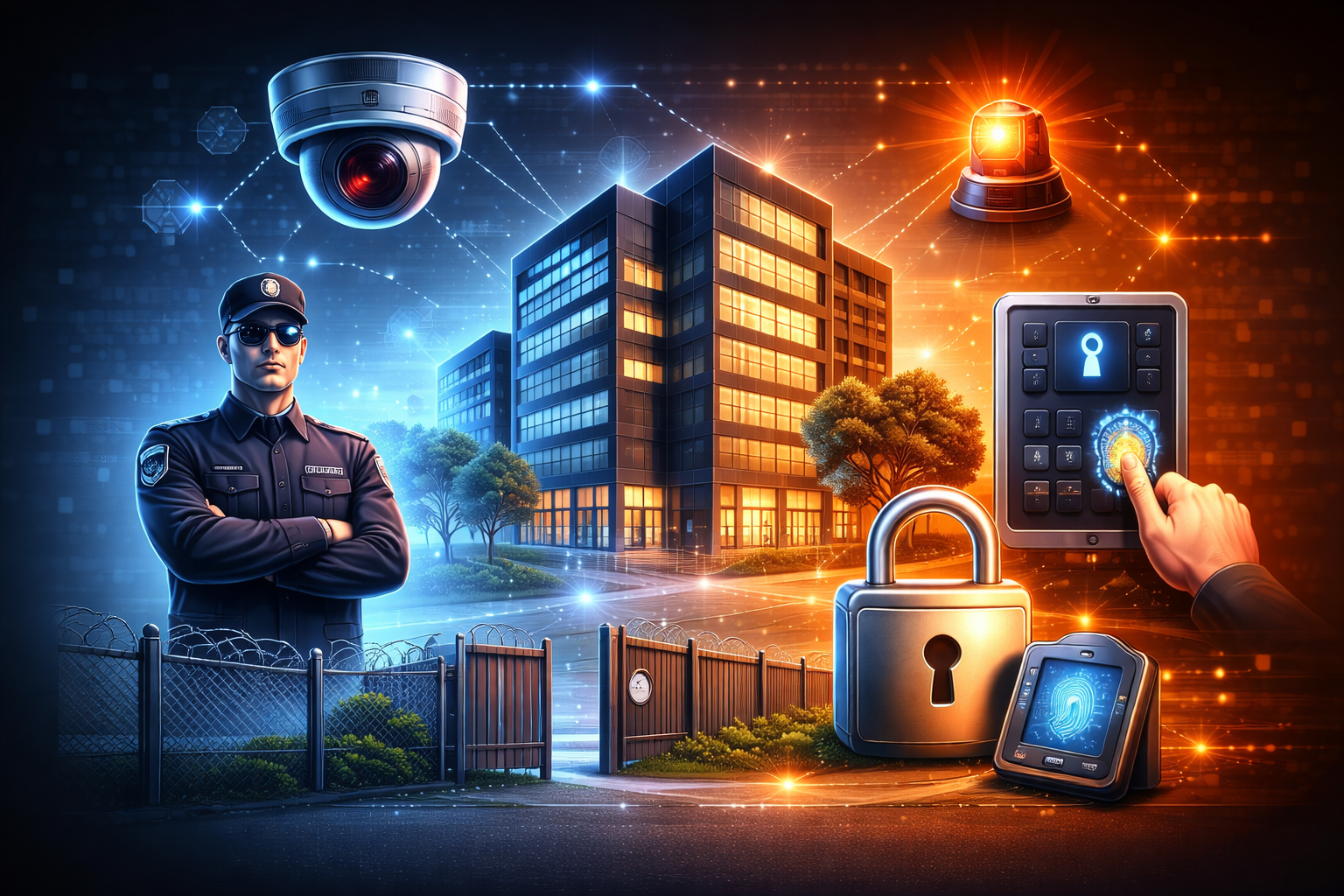
- Locks and Access Control Systems
Traditional locks remain a cornerstone of physical security, but modern organizations now rely on electronic access control systems. Keycards, smart locks, and biometric authentication ensure only authorized personnel can access restricted areas. - Security Guards and Personnel
Trained security personnel provide a human layer of protection. Guards monitor entry points, patrol premises, respond to incidents, and act as a deterrent against criminal activity. - Surveillance Systems (CCTV)
Closed-circuit television cameras allow continuous monitoring of premises. Advanced systems now integrate AI-powered analytics to detect unusual activity, flag intrusions, and record evidence for investigations. - Fire Alarms and Safety Systems
Safety is a critical aspect of physical security. Fire alarms, sprinklers, smoke detectors, and emergency evacuation plans help minimize risk to personnel and property during emergencies. - Fences and Perimeter Security
Perimeter security defines the first line of defense. Fences, gates, and controlled entry points prevent unauthorized access and help organizations maintain clear boundaries. - Biometric Access Controls
From fingerprint scanners to facial recognition, biometrics ensure high-level authentication. These technologies reduce the risk of lost keys or stolen access cards being exploited.
Emerging Trends in Physical Security (2026)
Physical security is evolving to keep pace with modern threats:
- Integration with Digital Security: Many organizations combine physical and cybersecurity through IoT sensors, smart cameras, and access logs, creating a holistic security ecosystem.
- AI-Enhanced Surveillance: AI cameras detect suspicious movements or behaviors in real time, alerting security personnel instantly.
- Remote Monitoring: Cloud-based security platforms allow security managers to monitor multiple locations from anywhere in the world.
- Smart Buildings: Buildings now integrate security with energy management, lighting, and emergency systems, offering efficiency alongside protection.
Best Practices for Effective Physical Security
- Layered Security Approach
Combine multiple security measures — personnel, locks, surveillance, and alarms — to create overlapping layers of protection. - Regular Risk Assessment
Identify vulnerabilities in physical security, such as unlocked doors, blind spots, or outdated fire alarms, and address them proactively. - Employee Training
Employees should be trained on safety protocols, emergency evacuation procedures, and access policies. - Maintenance and Updates
Security systems must be regularly maintained. Outdated locks, cameras, or alarm systems can create vulnerabilities. - Incident Response Planning
Prepare for possible breaches or emergencies with clear response plans. This includes communication protocols and coordination with law enforcement or emergency services.
The Future of Physical Security
Physical security in 2026 is no longer just about guards and gates. Organizations are moving toward integrated, intelligent security ecosystems where technology, personnel, and procedures work together seamlessly. From AI-powered surveillance to biometric access and smart building controls, physical security is becoming more proactive, predictive, and adaptive.
While technology enhances efficiency, the human element remains vital. Security personnel, risk managers, and trained staff play a critical role in interpreting data, responding to incidents, and maintaining situational awareness.
Ultimately, physical security is about creating a safe, protected environment for people, assets, and information. By combining technology, human vigilance, and best practices, organizations can stay ahead of potential threats and safeguard their most valuable resources.