 By
By Introduction to a System
A system is a structured set of components that work together to achieve a specific goal. It can be physical, digital, biological, or organizational. In simple terms, a system is a collection of elements that interact with each other in an organized way to produce a desired output. Systems are present everywhere in our daily lives, from the human body to computers, businesses, and ecosystems. Understanding systems helps improve efficiency, productivity, and problem-solving abilities in different fields.
Definition of a System
A system is defined as an organized group of related components that function together to perform a task. Each component within the system has a specific role, and all components depend on each other to achieve the final objective. Systems operate based on input, processing, and output. The input is the data or material provided to the system, processing refers to the actions performed on the input, and output is the final result produced by the system.
Key Components of a System
Every system generally consists of the following major components:
1. Input
Input is the information, material, or energy supplied to a system. For example, in a computer system, input can be data entered through a keyboard or mouse. In a business system, input may include raw materials or customer information.
2. Process
Processing is the transformation of input into meaningful output. It involves a series of steps or actions that convert raw data into useful results. In a computer, the Central Processing Unit processes data to generate output.
3. Output
Output is the result generated after processing. It is the final product or information delivered by the system. For example, a printed document from a printer or a financial report generated by accounting software.
4. Feedback
Feedback is the response or information returned to the system to improve performance. It helps in monitoring and controlling the system. Feedback ensures that errors are corrected and efficiency is maintained.
5. Control
Control mechanisms manage and regulate the system’s performance. It ensures that the system operates according to predefined standards or objectives.
Types of Systems
Systems can be categorized into different types based on their nature and function.
Open System
An open system interacts with its environment. It receives input from outside and produces output that affects the environment. For example, a business organization interacts with customers, suppliers, and competitors.
Closed System
A closed system does not interact much with the external environment. It operates independently with minimal external influence.
Physical System
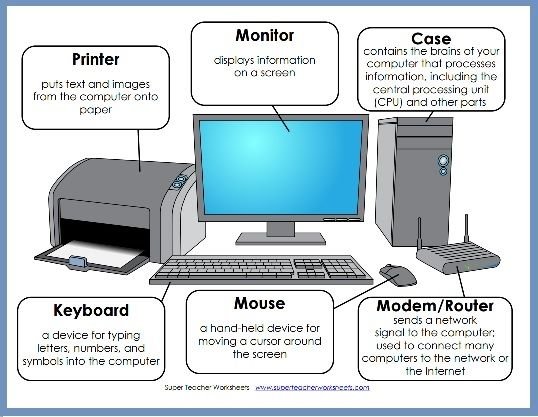
A physical system consists of tangible components such as machinery, hardware, or equipment. A computer system with monitor, keyboard, and CPU is an example.
Abstract System
An abstract system includes concepts, models, or plans rather than physical objects. For instance, a mathematical formula or software program design.
Natural System
Natural systems occur in nature without human intervention, such as the solar system or the human digestive system.
Artificial System
Artificial systems are man-made systems designed to perform specific tasks. Examples include computer systems, transportation systems, and communication systems.
System in Computer Science
In computer science, a system refers to a combination of hardware and software that works together to perform computing tasks. A computer system includes input devices, output devices, memory, processing units, and operating systems. The operating system manages hardware resources and allows software applications to function properly.
Computer systems are widely used in education, healthcare, banking, business, and entertainment. They help in data storage, communication, automation, and decision-making. Modern computer systems use advanced technologies such as cloud computing, artificial intelligence, and cybersecurity measures to enhance performance and security.
Characteristics of a System
A system has several important characteristics:
- Organization: All components are structured in a logical manner.
- Interaction: Components interact with each other.
- Interdependence: Each part depends on other parts for proper functioning.
- Integration: Components are combined to achieve a common objective.
- Goal-Oriented: Every system has a specific purpose or objective.
Importance of Systems
Systems play a crucial role in modern society. They help organize complex tasks into manageable processes. In business, systems improve productivity and decision-making. In technology, computer systems enable communication, data processing, and automation. In healthcare, hospital systems manage patient records and treatments efficiently.
Without proper systems, operations would become chaotic and inefficient. Systems provide structure, clarity, and consistency in performing tasks.
Advantages of a System
- Improves efficiency and productivity
- Reduces errors through structured processes
- Enhances coordination among components
- Supports better monitoring and control
- Facilitates innovation and technological growth
Conclusion
A system is an organized collection of interconnected components working together to achieve a common goal. Whether natural or artificial, open or closed, physical or abstract, systems are fundamental to understanding how processes function in various fields. In computer science and business, systems help streamline operations, improve efficiency, and ensure better outcomes. By understanding the components, types, and characteristics of systems, individuals and organizations can design more effective solutions for complex challenges.
do you follow instagram