 By
By India has traditionally been known for heritage tourism, spirituality, and cultural experiences. Destinations like Taj Mahal and spiritual cities such as Varanasi dominate international travel marketing.
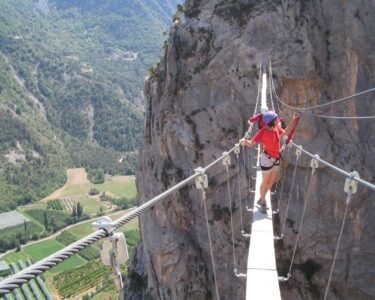
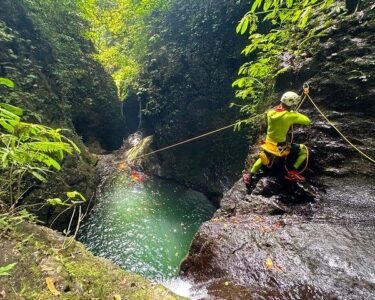
However, global travel trends are shifting. Modern travelers increasingly prefer experiences over sightseeing, which creates space for adventure tourism to become a major growth sector.
Why Adventure Tourism Matters for India
1. Untapped Geographic Diversity
Few countries have the natural diversity that India offers:
- The Himalayan mountains in Uttarakhand and Himachal Pradesh
- Deserts of Rajasthan
- Tropical islands like Andaman and Nicobar Islands
- Dense wildlife forests such as Jim Corbett National Park
This natural variety allows India to offer multiple adventure experiences in a single trip.
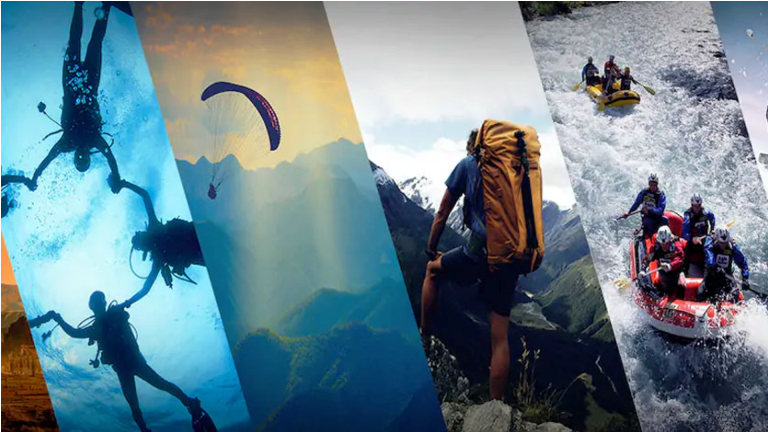
Major Adventure Activities Growing in India
Mountain Adventures
- Trekking
- Mountaineering
- Skiing
- Paragliding
Popular regions include Manali and Auli.
Water-Based Adventures
- White-water rafting
- Scuba diving
- Kayaking
- Jet skiing
Top destinations include Goa and Havelock Island.
Desert Adventures
In the Thar desert region around Jaisalmer tourists can experience:
- Camel safaris
- Desert camping
- Sand dune exploration
Economic Impact
Adventure tourism contributes to tourism growth in several ways:
1. Year-Round Tourism
Traditional tourism is seasonal, but adventure activities can extend travel demand throughout the year.
2. Local Employment
Adventure tourism creates jobs for:
- Trek guides
- Diving instructors
- Safari drivers
- Equipment rental operators
Remote regions like Ladakh benefit significantly from this industry.
3. Higher Spending Travelers
Adventure travelers typically spend more on:
- Equipment
- Guides
- Training
- Insurance
- Extended stays
Challenges India Must Address
Despite its potential, the adventure tourism sector faces several limitations:
Safety and Regulation
Many operators still lack standardized safety certification compared to Europe or New Zealand.
Infrastructure
Remote adventure locations often suffer from:
- Poor connectivity
- Limited healthcare access
- Weak transport infrastructure
Environmental Impact
Unregulated trekking and tourism threaten fragile ecosystems in the Himalayas and coastal areas.
The Future of Adventure Tourism in India
With increasing government focus and private investment, India has the potential to become a global adventure tourism hub.
Programs promoted by the Ministry of Tourism are encouraging:
- Sustainable adventure tourism
- Infrastructure development
- Global promotion campaigns
Final Perspective
Adventure tourism will not replace cultural tourism in India. But it can diversify the tourism economy and attract a younger, experience-focused generation of travelers.
If managed responsibly, adventure tourism could become one of the most dynamic segments of India’s travel industry.