


 By
By Critical Infrastructure Security: Safeguarding Essential Services
Modern societies depend heavily on critical infrastructure systems that provide essential services such as electricity, water supply, transportation networks, and healthcare services. These systems are the backbone of national economies and public safety. As technology advances and these infrastructures become more connected to digital networks, they also become vulnerable to cyber threats.
Critical Infrastructure Security focuses on protecting these vital systems from cyberattacks, technical failures, and operational disruptions. It ensures that essential services continue functioning safely and reliably even in the face of cyber threats or system failures.
Without strong security measures, a cyberattack targeting critical infrastructure could cause widespread disruption, financial loss, and even threaten public safety.
Why Critical Infrastructure Security Is Important
Critical infrastructure systems play a fundamental role in daily life. Power grids deliver electricity to homes and businesses, water treatment facilities provide clean drinking water, transportation networks support logistics and travel, and healthcare systems deliver life-saving services.
Because these sectors rely on interconnected digital systems, attackers may attempt to exploit vulnerabilities to disrupt services or gain unauthorized access. A successful cyberattack on infrastructure systems could lead to power outages, transportation shutdowns, water contamination risks, or hospital service interruptions.
In recent years, cyberattacks targeting infrastructure have increased significantly. Many of these attacks aim to disrupt operations or demand ransom payments. This growing threat highlights the importance of strengthening security measures for critical infrastructure systems.
Key Components of Critical Infrastructure Security
1. SCADA System Security
Supervisory Control and Data Acquisition (SCADA) systems are widely used to monitor and control industrial processes in sectors such as energy, water management, and manufacturing. These systems collect real-time data from sensors and equipment, allowing operators to manage complex operations efficiently.
However, SCADA systems were originally designed with minimal cybersecurity features. As these systems become connected to corporate networks and the internet, they are increasingly exposed to cyber threats.
To protect SCADA systems, organizations should implement strong security measures such as:
- Network segmentation to isolate operational systems
- Secure authentication for system access
- Continuous monitoring of system activity
- Encryption of communication channels
Securing SCADA systems is essential because they control critical operations that affect public safety and essential services.
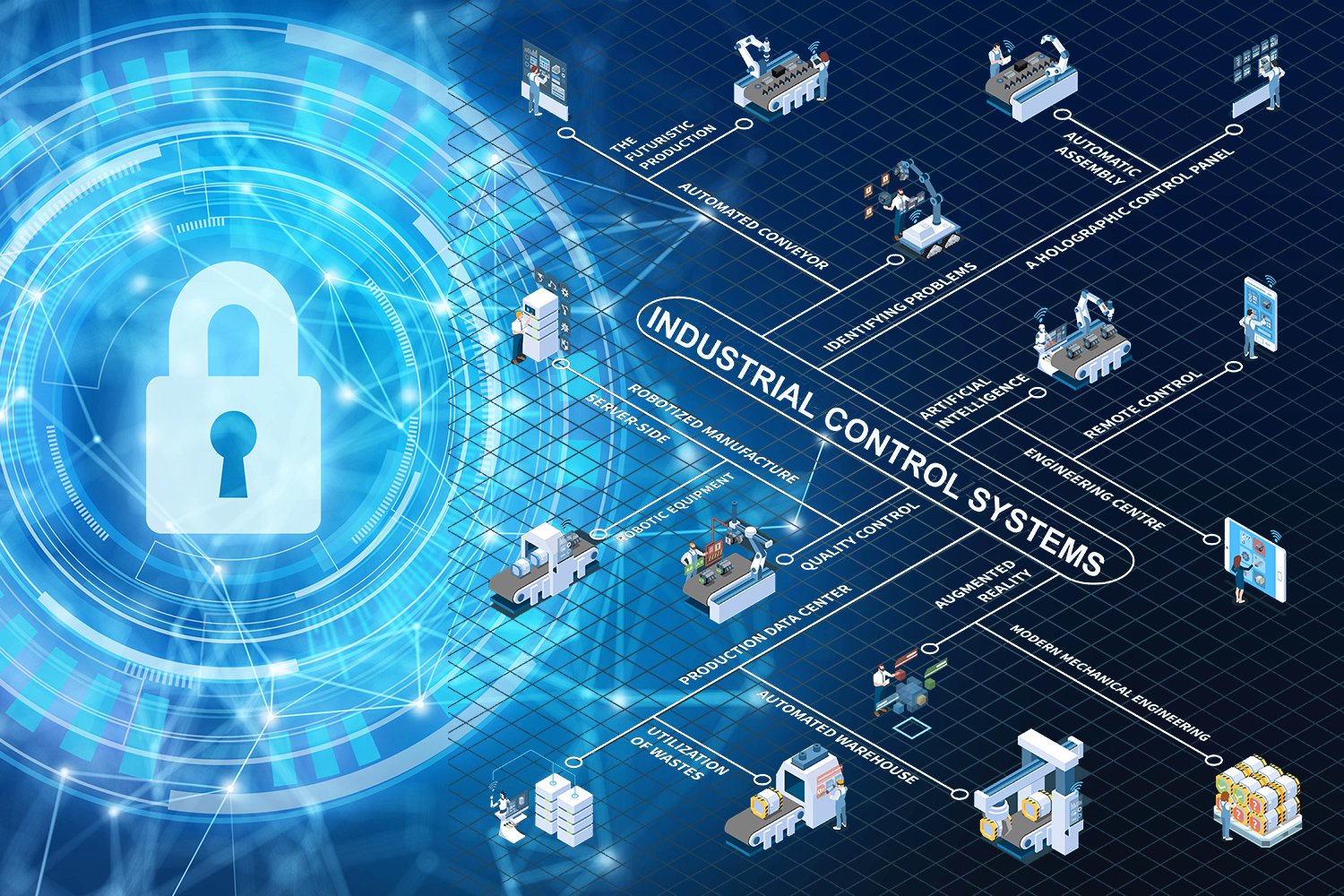
2. Industrial Control System (ICS) Protection
Industrial Control Systems (ICS) are responsible for controlling industrial equipment and processes in sectors such as power plants, manufacturing facilities, transportation systems, and oil and gas operations.
These systems manage processes such as machinery operation, temperature control, and automated production lines. If attackers gain access to ICS environments, they could manipulate industrial processes, damage equipment, or halt production.
Protecting ICS systems requires a multi-layered security approach that includes:
- Strict access control policies
- Regular patching and system updates
- Intrusion detection systems for industrial networks
- Continuous monitoring for unusual activity
Organizations must also ensure that employees working with industrial systems are trained in cybersecurity best practices.
3. Backup and Disaster Recovery
Even with strong cybersecurity measures, unexpected incidents such as cyberattacks, system failures, or natural disasters can still occur. This is why backup and disaster recovery strategies are a critical part of infrastructure security.
Backup systems allow organizations to restore data and system configurations if they are compromised or lost. Disaster recovery plans ensure that essential services can resume quickly after disruptions.
Key elements of effective disaster recovery include:
- Regular data backups stored securely
- Redundant infrastructure and failover systems
- Incident response and recovery procedures
- Routine testing of recovery plans
A well-designed disaster recovery strategy helps minimize downtime and ensures that critical services remain operational.
Emerging Threats to Critical Infrastructure
As infrastructure systems continue to evolve, they face new and sophisticated cyber threats. Some of the most concerning threats include:
Ransomware Attacks
Cybercriminals encrypt systems and demand payment to restore access.
Supply Chain Attacks
Attackers exploit vulnerabilities in third-party vendors or software used by infrastructure systems.
Nation-State Cyber Operations
Some cyberattacks target national infrastructure as part of geopolitical conflicts.
IoT Vulnerabilities
Smart devices used in infrastructure systems can introduce additional security risks if not properly protected.
Addressing these threats requires continuous monitoring, updated security practices, and collaboration between governments and private organizations.
Best Practices for Strengthening Infrastructure Security
Organizations responsible for critical infrastructure should adopt strong security strategies to protect their systems. Key best practices include:
- Implementing network segmentation for operational systems
- Monitoring systems with advanced threat detection tools
- Conducting regular security audits and vulnerability assessments
- Providing cybersecurity training for employees
- Establishing strong incident response and recovery plans
Collaboration between public and private sectors is also essential to improve infrastructure security and share threat intelligence.