 By
By Mobile Security in 2026: Why It Matters More Than Ever
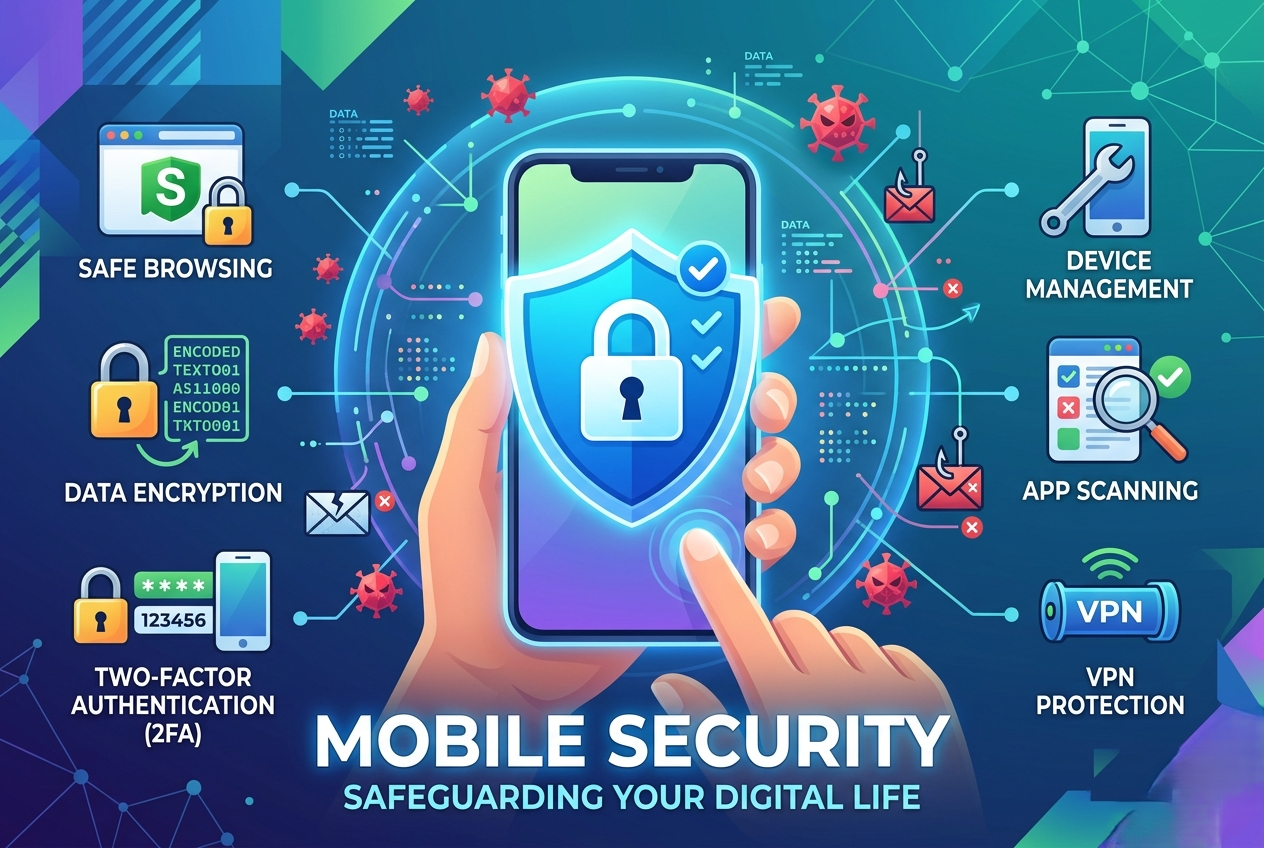
Smartphones have become the center of our digital lives. From banking and shopping to social media and work, nearly everything we do now happens on mobile devices. But with this convenience comes risk. Cybercriminals are increasingly targeting smartphones, tablets, and mobile applications, making mobile security a critical concern in 2026.
Mobile security refers to the technologies and practices designed to protect mobile devices from threats such as malware, phishing attacks, data breaches, and unauthorized access. Without proper protection, sensitive information like passwords, financial details, and personal data can easily fall into the wrong hands.
Common Mobile Threats You Should Know
Before diving into protection strategies, it’s important to understand the risks. Mobile devices face several unique threats:
- Malicious apps that steal data or spy on users
- Phishing attacks via SMS (smishing) or fake apps
- Public Wi-Fi risks that expose sensitive data
- Device theft or loss leading to unauthorized access
As mobile usage grows, attackers are becoming more sophisticated. That’s why relying on basic security is no longer enough.
Key Mobile Security Measures
1. App Sandboxing
App sandboxing is a built-in security feature in most modern operating systems. It isolates apps from each other, preventing them from accessing sensitive data without permission.
For example, a gaming app cannot directly access your banking app data. This separation limits the damage if an app becomes compromised.
2. Mobile Antivirus Protection
Just like computers, smartphones can also be infected with malware. Mobile antivirus apps help detect and remove harmful software before it causes damage.
These tools can:
- Scan apps for suspicious behavior
- Detect spyware and ransomware
- Warn about unsafe downloads
While not all users think they need antivirus on phones, it’s becoming increasingly important as mobile threats evolve.
3. Device Encryption
Device encryption ensures that your data is unreadable without proper authentication. Even if your phone is stolen, encrypted data cannot be accessed easily.
Modern smartphones come with built-in encryption, but it must be enabled and paired with a strong password or PIN. This is especially important for users who store sensitive information like emails, documents, or financial data.
4. Secure Authentication
Authentication is your first line of defense. Weak passwords are one of the biggest security risks.
Secure authentication methods include:
- Biometric authentication (fingerprint or facial recognition)
- Two-factor authentication (2FA)
- Strong, unique passwords
Using multiple layers of authentication significantly reduces the chances of unauthorized access.
Best Practices for Mobile Security
To stay protected, follow these practical tips:
- Download apps only from official stores like Google Play or Apple App Store
- Keep your OS and apps updated to fix security vulnerabilities
- Avoid clicking suspicious links in messages or emails
- Use a VPN on public Wi-Fi
- Enable remote tracking and wipe features
Small habits can make a big difference in preventing cyber attacks.
The Future of Mobile Security
Mobile security is evolving rapidly. With the rise of AI-driven attacks and more connected devices, security solutions are becoming smarter. Future trends include:
- AI-based threat detection
- Zero-trust security models
- Advanced biometric systems
- Secure mobile app development frameworks
As technology advances, users must also stay informed and proactive.