


 By
By IoT Security: Protecting Connected Devices from Modern Cyber Threats
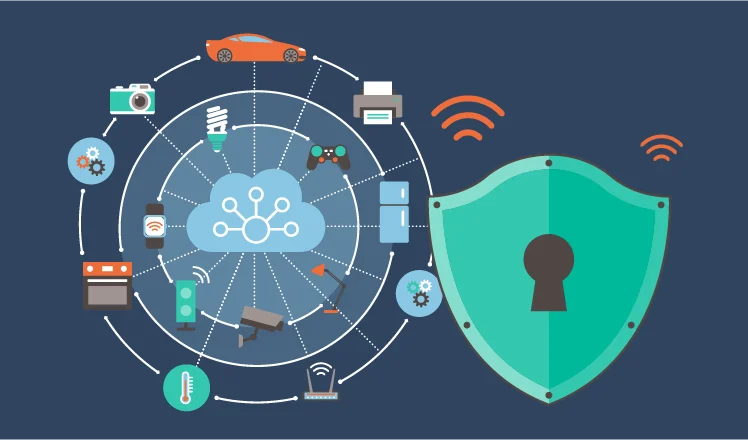
The Internet of Things (IoT) has changed the way we live and work. From smart home devices and wearable health trackers to connected industrial machines, IoT technology powers automation, efficiency, and real-time data exchange. As billions of devices continue to connect to the internet, the need for strong IoT Security has become more important than ever.
IoT security focuses on protecting internet-connected devices, their networks, and the data they collect from unauthorized access, cyberattacks, and data leaks. In 2026, with smart homes, connected factories, and digital healthcare systems rapidly growing, IoT security is a major cybersecurity priority.
Why IoT Security Is Important
Every connected device creates a potential entry point for cybercriminals.
IoT devices often collect sensitive data such as:
- Personal user information
- Health and fitness data
- Home surveillance footage
- Industrial operational data
If attackers gain access, they can steal data, take control of devices, or use them in larger attacks such as botnets.
For example:
- A hacked smart camera can compromise privacy
- A compromised wearable can expose health data
- An industrial IoT breach can stop production lines
This makes IoT security essential for both personal safety and business continuity.
Types of IoT Devices That Need Protection
1. Smart Home Devices
Smart home technology includes:
- Smart speakers
- Security cameras
- Smart locks
- Thermostats
- Home automation hubs
These devices improve convenience but are common cyberattack targets.
Weak passwords, outdated firmware, and insecure Wi-Fi networks are major risks.
Best practices include:
Securing home Wi-Fi
Changing default passwords
Enabling MFA
Regular firmware updates
Securing home Wi-Fi
2. Wearables
Wearables such as smartwatches and fitness trackers collect highly personal data.
This includes:
- Heart rate
- Sleep patterns
- GPS location
- Daily activity logs
Because this information is sensitive, attackers may target wearable apps and cloud sync platforms.
Encryption and secure mobile app integration are critical protections.
3. Connected Industrial Machines
Industrial IoT (IIoT) devices are widely used in:
- Manufacturing plants
- Smart factories
- Energy systems
- Transportation networks
These devices monitor machinery performance and automate industrial operations.
If compromised, attackers can disrupt production, damage equipment, or access sensitive operational data.
Industrial IoT requires advanced security measures such as:
Access controls
Network segmentation
Device authentication
Real-time monitoring
Access controls
Common IoT Security Threats
IoT environments face several major risks:
Device Hijacking
Attackers remotely take control of devices.
Botnet Attacks
Compromised devices used for DDoS attacks.
Data Interception
Sensitive information stolen during transmission.
Firmware Vulnerabilities
Outdated software exploited by attackers.
Understanding these risks helps improve defense strategies.
Best Practices for Strong IoT Security
Organizations and users should adopt the following best practices:
- Use strong passwords
- Enable multi-factor authentication
- Update device firmware regularly
- Encrypt device communications
- Isolate IoT devices on separate networks
- Monitor device behavior continuously
- Buy devices from trusted manufacturers
A layered security approach is essential.
Future of IoT Security
IoT security is rapidly evolving with advanced technologies such as:
- AI-powered anomaly detection
- Zero Trust device authentication
- Blockchain device identity systems
- Automated threat response
As smart cities and industrial automation continue to grow, IoT security will become even more critical.
Conclusion
IoT security is essential for protecting smart homes, wearable technology, and connected industrial systems.
By focusing on strong authentication, secure firmware, encryption, and continuous monitoring, organizations and individuals can reduce cyber risks.
In 2026 and beyond, IoT security will remain one of the most important cybersecurity domains.