

 By
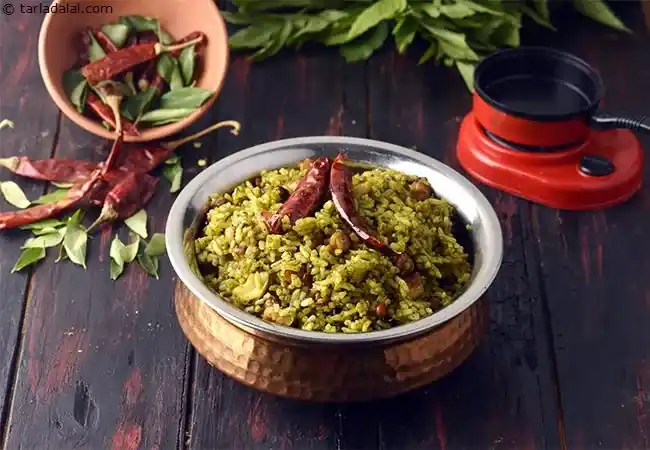
By Gongura Pulihora is one of the most iconic dishes from Andhra Pradesh, loved for its bold, tangy, and slightly spicy flavor. Gongura leaves, also known as sorrel leaves, are naturally sour and give this rice dish its signature taste. Unlike regular tamarind pulihora, gongura pulihora has a deeper, earthy flavor and a unique aroma that makes it irresistible. It is commonly prepared in households for lunch, festivals, travel meals, and even special occasions because it stays fresh for longer hours without spoiling.
This recipe involves preparing a thick gongura paste and then mixing it with tempered rice. While the process is simple, the key to perfect gongura pulihora lies in balancing sourness, spice, and texture.
🛒 Ingredients
For Gongura Paste:
- Gongura leaves – 2 to 3 cups (washed thoroughly and chopped)
- Green chilies – 4 to 6 (adjust based on spice level)
- Garlic cloves – 6 to 8
- Oil – 2 tablespoons
- Salt – as required
For Rice:
- Cooked rice – 2 cups (cooled completely, grains separate)
For Tempering:
- Oil – 3 tablespoons (preferably sesame oil for authentic taste)
- Mustard seeds – 1 teaspoon
- Cumin seeds – 1 teaspoon
- Chana dal – 1 tablespoon
- Urad dal – 1 tablespoon
- Peanuts – 2 tablespoons
- Dry red chilies – 2 to 3
- Curry leaves – 1 sprig
- Turmeric powder – ¼ teaspoon
- Hing (asafoetida) – a pinch
👩🍳 Step-by-Step Preparation
1. Cooking the Rice
Start by cooking rice slightly firm rather than soft or mushy. Each grain should remain separate. Once cooked, spread the rice on a wide plate and allow it to cool completely. This step is important because hot rice can become sticky and ruin the texture of pulihora. You can drizzle a little oil over the rice and gently mix to keep the grains separate.
Wash the gongura leaves thoroughly to remove any dirt. Remove thick stems if present and chop the leaves roughly. Heat oil in a pan, add green chilies and garlic cloves, and sauté for a minute until the raw smell disappears. Now add the chopped gongura leaves.
Cook the leaves on medium flame. Initially, they may look bulky, but they will quickly shrink and soften as they cook. Keep stirring occasionally. The leaves will release moisture and turn into a soft, pulpy texture. Continue cooking until most of the moisture evaporates and the mixture becomes thick.
Turn off the flame and let the mixture cool completely. Once cooled, grind it into a thick paste without adding water. The paste should be smooth but slightly coarse for better texture.
3. Preparing the Tempering
Heat oil in a deep pan or kadai. Add mustard seeds and allow them to splutter. Then add cumin seeds, chana dal, and urad dal. Fry until the dals turn golden brown and aromatic. Add peanuts and fry until they become crunchy.
Next, add dry red chilies, curry leaves, and a pinch of hing. Be careful while adding curry leaves as they may splutter. Add turmeric powder and mix well. This tempering adds a rich flavor and crunch to the dish.
4. Combining Gongura Paste and Tempering
Add the prepared gongura paste into the tempering. Mix well and cook for about 3 to 5 minutes on low flame. During this stage, the flavors blend together and the oil begins to separate slightly from the mixture, indicating that the paste is well cooked.
Taste the mixture and adjust salt if needed. The paste should taste tangy, slightly spicy, and flavorful.
5. Mixing with Rice
Add the cooled rice gradually into the gongura mixture. Mix gently using a flat spoon or your hands to ensure the rice grains do not break. Ensure that the gongura paste coats the rice evenly.
Once mixed, let the pulihora rest for at least 20 to 30 minutes. This resting time helps the flavors absorb into the rice, making it even tastier.
🍽️ Serving Suggestions
Gongura pulihora can be served on its own or with simple accompaniments. It pairs beautifully with:
- Plain curd (yogurt) to balance the tanginess
- Papad or fryums for crunch
- A boiled egg or simple vegetable fry as a side
It is also an excellent choice for lunch boxes and travel meals since it stays fresh for several hours without refrigeration.
🔥 Tips for Perfect Gongura Pulihora
- Always use fresh gongura leaves for the best flavor
- Do not add water while grinding the paste, as it can make the rice soggy
- Use sesame oil for authentic Andhra taste
- Adjust chilies based on how sour the gongura is
- Make sure rice is completely cooled before mixing
- Let the dish rest before serving for enhanced flavor
🌟 Conclusion
Gongura Pulihora is more than just a rice dish—it is a celebration of Andhra cuisine’s bold and tangy flavors. The natural sourness of gongura combined with aromatic tempering creates a dish that is both comforting and exciting to the palate. Whether you are preparing it for a regular meal, a festive occasion, or a journey, this recipe never disappoints. Once you master the balance of flavors, it will surely become a favorite in your kitchen.
Follow Us On Instagram