 By
By In an increasingly digital world, it’s easy to overlook the importance of physical security. However, protecting physical spaces remains just as critical as securing digital systems. Physical security involves safeguarding people, property, and assets from threats such as theft, vandalism, unauthorized access, and natural disasters.
From traditional locks and fences to advanced biometric systems and surveillance cameras, physical security has evolved significantly. Today, organizations and individuals must adopt a comprehensive approach that combines both traditional methods and modern technology.
Why Physical Security Matters
Physical security forms the first line of defense against intrusions. Even the most advanced cybersecurity measures can fail if an attacker gains physical access to a building or device. For example, unauthorized entry into a server room could lead to data theft or system tampering.
In workplaces, effective physical security ensures employee safety and protects sensitive information. In residential settings, it provides peace of mind by preventing break-ins and emergencies.
Key Components of Physical Security
A strong physical security strategy includes multiple layers of protection. Let’s explore some of the most common and effective components:
1. Locks and Access Control Systems
Locks are the most basic yet essential form of physical security. Traditional locks are still widely used, but modern systems now include electronic and smart locks that offer enhanced control.
Access control systems allow organizations to restrict entry based on credentials such as keycards, PIN codes, or biometric data. This ensures that only authorized individuals can access specific areas, reducing the risk of unauthorized entry.
2. CCTV Surveillance Systems
Closed-circuit television (CCTV) cameras are widely used to monitor activities in real time. They act as both a deterrent and a tool for investigation.
Modern surveillance systems come with features like motion detection, night vision, and remote access via smartphones. These advancements make it easier to detect suspicious activities and respond quickly.
3. Security Guards
While technology plays a major role, human presence remains vital. Security guards provide on-the-ground monitoring and can respond immediately to incidents.
They are particularly useful in large facilities, events, and high-risk areas where quick decision-making and physical intervention may be required.
4. Fire Alarms and Safety Systems
Physical security is not only about preventing unauthorized access—it also includes protection against hazards like fires.
Fire alarms and detection systems help identify risks early and alert occupants, allowing for timely evacuation. These systems are critical for ensuring safety and minimizing damage.
5. Fences and Perimeter Security
Perimeter security measures such as fences, gates, and barriers create a physical boundary that prevents unauthorized access.
These measures are especially important for industrial sites, warehouses, and restricted areas where controlling entry points is essential.
6. Biometric Systems
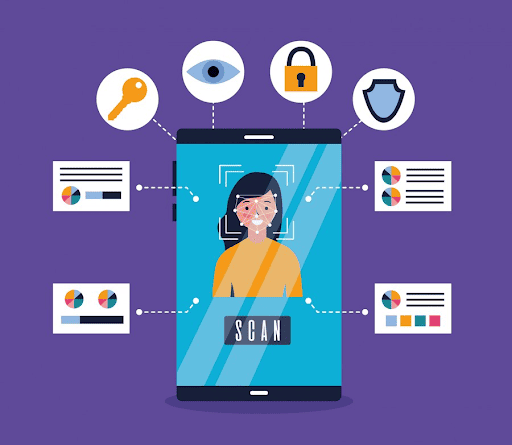
Biometric security systems use unique physical characteristics like fingerprints, facial recognition, or iris scans to grant access.
These systems provide a higher level of security because biometric data is difficult to replicate or steal. They are increasingly used in offices, airports, and high-security facilities.
Best Practices for Effective Physical Security
To maximize protection, organizations should follow these best practices:
Emergency Preparedness: Have plans in place for fires, intrusions, and other incidents
Layered Security Approach: Combine multiple security measures for better protection
Regular Maintenance: Ensure all systems are functioning properly
The Future of Physical Security
Physical security is evolving with advancements in technology. Smart surveillance systems powered by artificial intelligence can now detect unusual behavior automatically. Integration with IoT devices allows centralized monitoring and control.
Additionally, mobile-based access systems and cloud-managed security platforms are becoming more popular, offering convenience and scalability.