


 By
By Introduction
As digital transformation accelerates across industries, applications have become the backbone of business operations. From banking systems to e-commerce platforms, modern applications handle vast amounts of sensitive data. However, this growing dependency has also made them prime targets for cyberattacks. Application Security (AppSec) is no longer optional—it is a critical necessity.
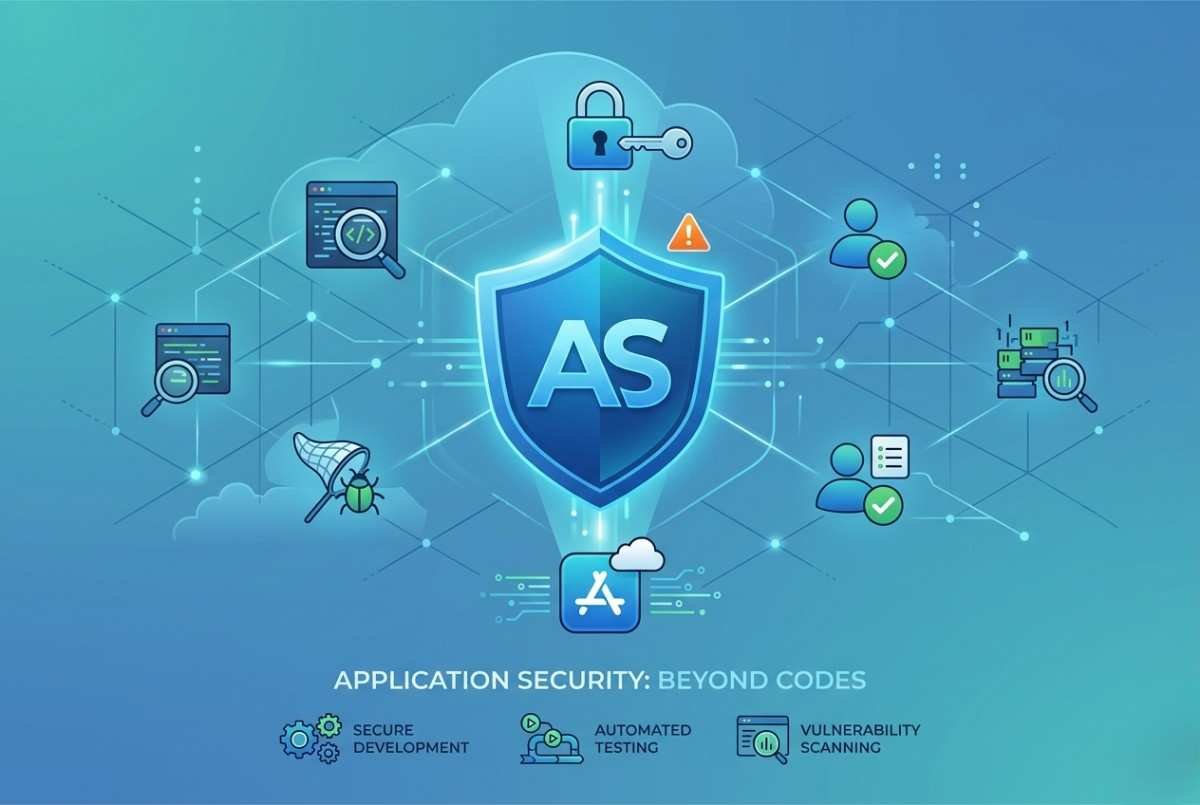
Application Security focuses on protecting software from vulnerabilities throughout its lifecycle. It includes practices, tools, and methodologies designed to identify, fix, and prevent security flaws before attackers can exploit them.
Why Application Security Matters More Than Ever
Cyber threats are becoming increasingly sophisticated. Attackers are no longer just targeting networks—they are exploiting weaknesses directly within applications. Common vulnerabilities such as SQL injection, cross-site scripting (XSS), and insecure APIs continue to pose significant risks.
A single vulnerability can lead to data breaches, financial losses, and reputational damage. In today’s regulatory landscape, organizations also face legal consequences if user data is compromised. This makes proactive application security essential for both compliance and business continuity.
Key Pillars of Application Security
1. Secure Coding Practices
The foundation of application security starts with writing secure code. Developers play a crucial role in preventing vulnerabilities at the source.
Secure coding involves:
- Validating all user inputs
- Avoiding hard-coded credentials
- Using secure authentication and authorization methods
- Following established frameworks like OWASP guidelines
By integrating security into the development phase (often called “shift-left security”), organizations can reduce the cost and complexity of fixing issues later.
2. Code Scanning and Vulnerability Detection
Automated tools are essential for identifying vulnerabilities early and consistently. These tools scan source code, binaries, and dependencies to detect potential weaknesses.
There are two main types:
Static Application Security Testing (SAST): Analyzes code without executing it
Dynamic Application Security Testing (DAST): Tests applications in runtime environments
Modern DevSecOps pipelines integrate these tools to ensure continuous monitoring. This helps teams detect vulnerabilities before deployment and maintain a strong security posture.
3. Penetration Testing
Penetration testing, or ethical hacking, simulates real-world attacks to identify exploitable vulnerabilities. Unlike automated tools, penetration testing provides deeper insights into how an attacker might compromise a system.
Key benefits include:
- Identifying complex vulnerabilities missed by automated scans
- Testing real-world attack scenarios
- Validating the effectiveness of existing security controls
Regular penetration testing ensures that applications remain resilient against evolving threats.
4. Vulnerability Management and Remediation
Identifying vulnerabilities is only half the battle—fixing them promptly is equally important. Vulnerability management involves prioritizing risks based on severity and impact.
Effective strategies include:
- Categorizing vulnerabilities using CVSS scores
- Patching known issues quickly
- Continuously monitoring for new threats
- Maintaining a secure software supply chain
Organizations that adopt a structured remediation process can significantly reduce their attack surface.
Emerging Trends in Application Security
Application security is evolving rapidly to keep pace with modern development practices:
- DevSecOps Integration: Security is embedded into CI/CD pipelines, enabling continuous testing and faster remediation.
- AI-Driven Security Tools: Machine learning helps detect anomalies and predict potential vulnerabilities.
- API Security Focus: With the rise of microservices, securing APIs has become a top priority.
- Zero Trust Architecture: Applications are designed with strict access controls and continuous verification.
These trends highlight a shift from reactive security to proactive, intelligence-driven protection.
Best Practices for Strengthening Application Security
To build secure applications, organizations should adopt the following best practices:
- Integrate security from the earliest stages of development
- Train developers on secure coding standards
- Use automated tools for continuous scanning
- Conduct regular penetration testing
- Implement strong authentication and encryption
- Monitor applications for unusual activity
Security is not a one-time effort—it requires continuous improvement and vigilance.