

 By
By Physical Security in 2026: Protecting People, Property, and Infrastructure
In today’s rapidly evolving world, security is no longer limited to digital systems and cybersecurity. Physical security remains one of the most important aspects of protecting people, buildings, equipment, and valuable assets. From homes and offices to factories and government facilities, organizations are investing heavily in advanced physical security solutions to prevent theft, unauthorized access, vandalism, and emergencies.
Physical security refers to the protection of physical spaces and assets using tools, technologies, and security procedures. Common examples include locks, CCTV cameras, security guards, fire alarms, fences, and biometric access systems. In 2026, physical security is becoming smarter, more automated, and highly integrated with modern technologies such as Artificial Intelligence (AI) and cloud-based monitoring.
Why Physical Security Matters
Every organization depends on physical security to maintain safety and business continuity. A security breach in a building can lead to financial losses, operational disruption, property damage, and threats to human life.
For example, unauthorized entry into an office building could result in data theft, equipment damage, or confidential information leaks. Similarly, poor fire safety systems can cause severe damage during emergencies. Physical security helps reduce these risks by preventing incidents and enabling faster emergency response.
As workplaces become more connected and smart buildings become common, physical security has evolved beyond traditional locks and guards. Modern systems now combine surveillance, automation, and intelligent monitoring to create safer environments.
Key Components of Physical Security
1. Locks and Access Control Systems
Locks are one of the oldest and most essential forms of physical security. Today, traditional locks are increasingly being replaced by electronic and smart access systems.
Modern access control solutions include:
- Keycards and RFID systems
- PIN-based door access
- Smart locks connected to mobile apps
- Biometric authentication systems
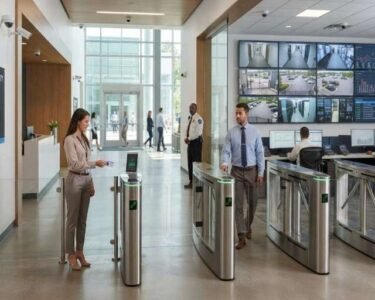
These technologies help organizations control who can enter specific areas and track access activity in real time.
CCTV Cameras and Surveillance Systems
CCTV cameras play a major role in monitoring buildings, public spaces, and industrial facilities. Modern surveillance systems now use AI-powered analytics to identify suspicious behavior, detect movement, and send instant alerts.
In 2026, smart surveillance systems offer features such as:
- Facial recognition
- Night vision monitoring
- Cloud video storage
- Real-time mobile notifications
- AI-based threat detection
Businesses use CCTV systems not only for security but also for operational monitoring and employee safety.
Role of Security Guards
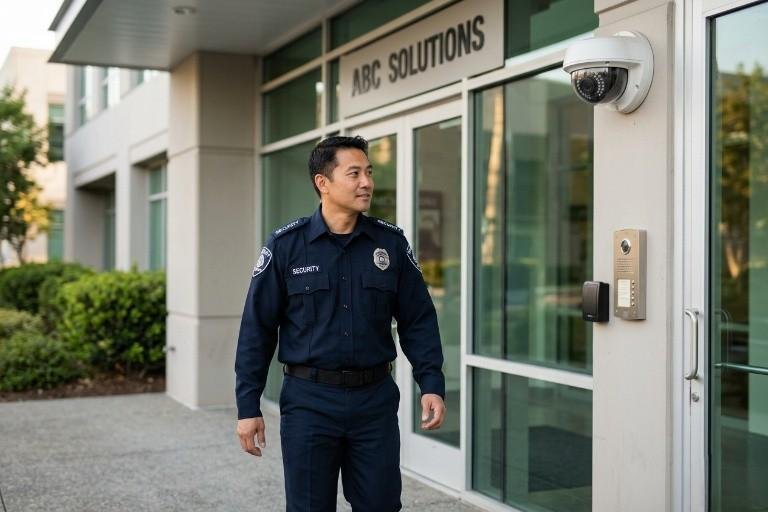
Despite advancements in automation, security guards remain an important part of physical security. Human presence provides immediate response capabilities and helps manage emergencies effectively.
Security personnel are commonly responsible for:
Monitoring entrances and exits
Patrolling buildings and premises
Responding to suspicious activities
Managing visitor access
Supporting emergency evacuations
Many organizations now combine trained security staff with advanced monitoring systems for stronger overall protection.
Fire Alarms and Emergency Systems
Fire safety is a critical component of physical security. Fire alarms, smoke detectors, and sprinkler systems help protect lives and property during emergencies.
Modern fire safety systems are designed to detect threats quickly and automatically alert building occupants and emergency services. Smart fire alarm systems can also integrate with mobile applications and centralized monitoring platforms.
In industries such as healthcare, manufacturing, and data centers, advanced fire protection systems are essential for maintaining operational safety and compliance.
Fences and Perimeter Security
Perimeter security helps prevent unauthorized access to buildings and restricted areas. Fences, gates, barriers, and security lighting are commonly used to secure property boundaries.
In high-security locations such as airports, military zones, and industrial facilities, perimeter security may also include:
- Motion detection sensors
- Thermal imaging cameras
- Intrusion detection systems
- Automated gates
These measures create multiple layers of protection and improve threat detection capabilities.
Biometric Security for Building Access
Biometric technology is becoming increasingly popular in physical security systems. Fingerprint scanners, facial recognition, retina scans, and palm recognition systems provide secure and convenient access control.
Unlike passwords or keycards, biometric authentication is difficult to duplicate or steal. Many organizations are adopting biometric access systems to improve security while reducing the risk of unauthorized entry.
In 2026, AI-powered biometrics are expected to become faster, more accurate, and widely used in offices, airports, smart homes, and government facilities.
Future Trends in Physical Security
Physical security is rapidly evolving with the integration of smart technologies and AI-driven automation. Some key trends shaping the future include:
- AI-powered surveillance and analytics
- Cloud-based security management
- Smart building integration
- Remote monitoring through mobile devices
- Contactless biometric access systems
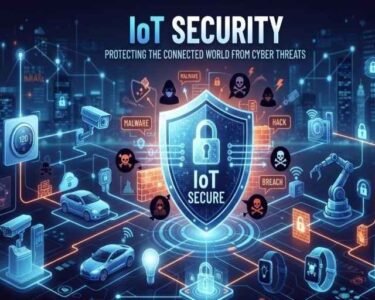
- IoT-enabled security devices
Organizations are increasingly adopting integrated security platforms that combine physical and digital security into a unified system.