


 By
By In today’s busy world, convenience often determines what people eat. From instant noodles and packaged snacks to sugary drinks and frozen meals, ultra-processed foods have become a major part of modern diets. While these foods are quick, affordable, and easily available, health experts are increasingly warning about their potential impact on long-term health.
Recent studies suggest that consuming ultra-processed foods regularly may increase the risk of obesity, heart disease, diabetes, digestive problems, and other chronic illnesses. As awareness about healthy eating grows, many nutritionists are encouraging people to understand what ultra-processed foods are and how they affect the body.
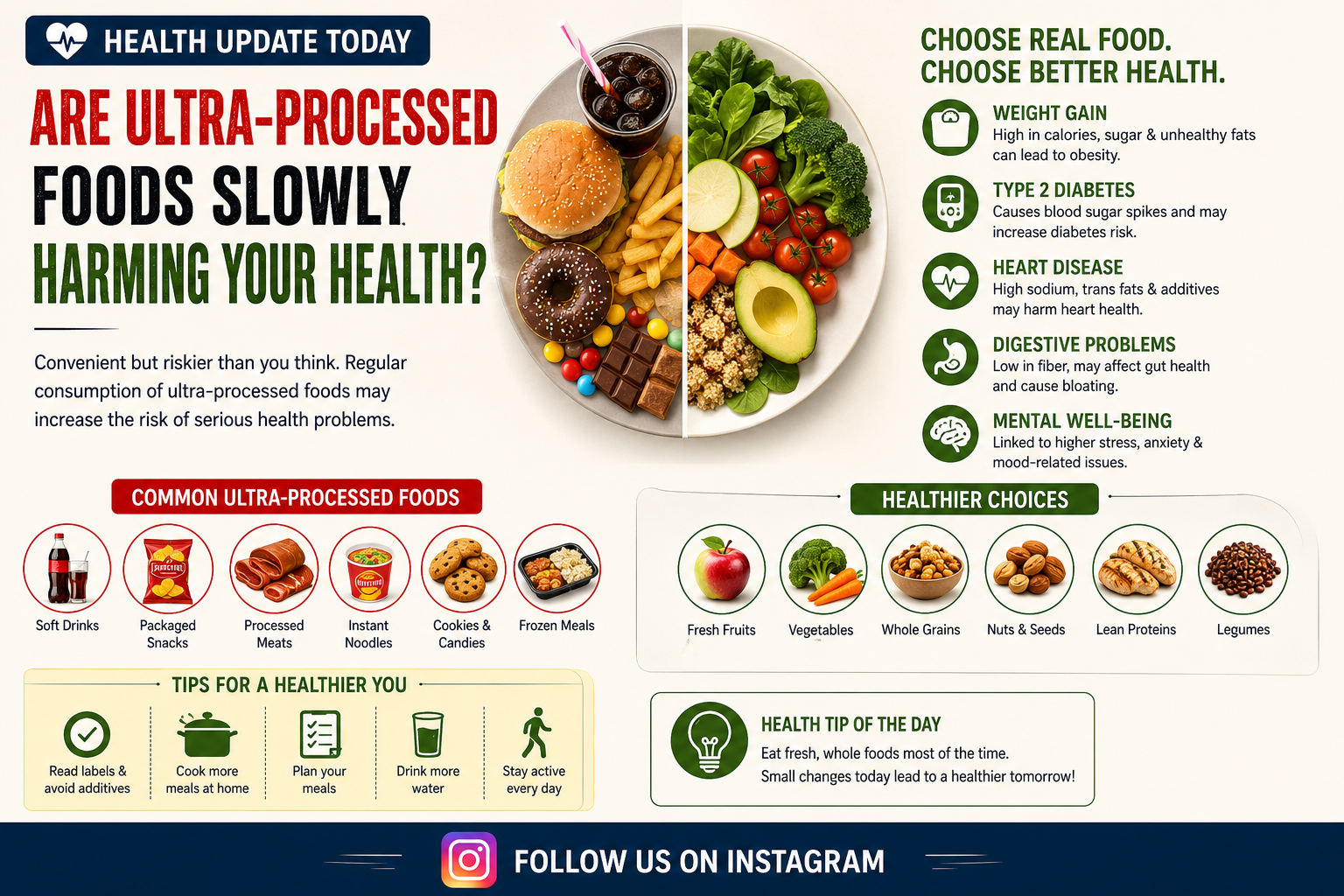
Ultra-processed foods are products that have undergone multiple stages of industrial processing and often contain ingredients rarely used in home cooking. These foods typically include preservatives, artificial flavors, colorings, sweeteners, and other additives designed to improve taste, texture, and shelf life.
Some common examples include packaged chips, soft drinks, fast food items, processed meats, instant soups, cookies, candies, and ready-to-eat frozen meals. Although these products offer convenience, they are often high in calories, sugar, unhealthy fats, and sodium while being low in essential nutrients.
One of the biggest concerns associated with ultra-processed foods is their connection to obesity. Many of these products are designed to be highly appealing and easy to consume in large quantities. Because they often contain excessive sugar and unhealthy fats, they can contribute to weight gain over time. Unlike fresh fruits, vegetables, and whole foods, processed products may not provide the same feeling of fullness, causing people to eat more than necessary.
Health professionals also point to the growing relationship between ultra-processed food consumption and Type 2 diabetes. Foods that contain large amounts of refined carbohydrates and added sugars can cause rapid increases in blood sugar levels. Over time, frequent blood sugar spikes may lead to insulin resistance, making it harder for the body to regulate glucose effectively. This increases the risk of developing diabetes and other metabolic disorders.
Heart health is another area of concern. Many processed foods contain high levels of sodium, trans fats, and saturated fats. Excessive intake of these ingredients can contribute to high blood pressure, elevated cholesterol levels, and inflammation within the body. These factors are known contributors to cardiovascular disease, which remains one of the leading causes of death worldwide.
Another important issue is the effect of ultra-processed foods on digestive health. A healthy digestive system depends on a diverse population of beneficial bacteria in the gut. However, many processed foods lack dietary fiber and contain additives that may negatively affect gut health. Poor gut health can lead to digestive discomfort, bloating, reduced immunity, and other health complications.
Emerging research has also begun exploring the connection between diet and mental well-being. While more studies are needed, some findings suggest that diets rich in ultra-processed foods may be linked to higher levels of stress, anxiety, and mood-related issues. Experts believe that nutrient deficiencies, inflammation, and changes in gut health may all play a role in this relationship.
Fortunately, reducing the consumption of ultra-processed foods does not require drastic lifestyle changes. Small improvements can make a significant difference over time. Nutritionists recommend focusing on whole, minimally processed foods whenever possible. Fresh fruits, vegetables, whole grains, legumes, nuts, seeds, and lean proteins provide the nutrients the body needs to function effectively.
Reading food labels can also help consumers make informed choices. Products with long ingredient lists and numerous artificial additives may be more heavily processed. Choosing foods with simple, recognizable ingredients is often a healthier option.
Preparing meals at home is another effective strategy. Home-cooked meals allow individuals to control the quality of ingredients while reducing reliance on packaged and processed products. Meal planning can also help busy families maintain healthier eating habits throughout the week.
While ultra-processed foods can be convenient, they should not become the foundation of a healthy diet. Occasional consumption is unlikely to cause major problems, but relying on these foods regularly may increase the risk of several health conditions over time.
As health experts continue to study the long-term effects of processed foods, one message remains clear: prioritizing fresh, nutrient-rich foods is one of the best ways to support overall health. Making small, consistent dietary improvements today can lead to better physical health, improved energy levels, and a lower risk of chronic disease in the future.
Healthy eating is not about perfection—it’s about making smarter choices more often. By becoming aware of what we eat and choosing whole foods whenever possible, we can take meaningful steps toward a healthier and more balanced lifestyle.
Follow Us On Instagram