

 By
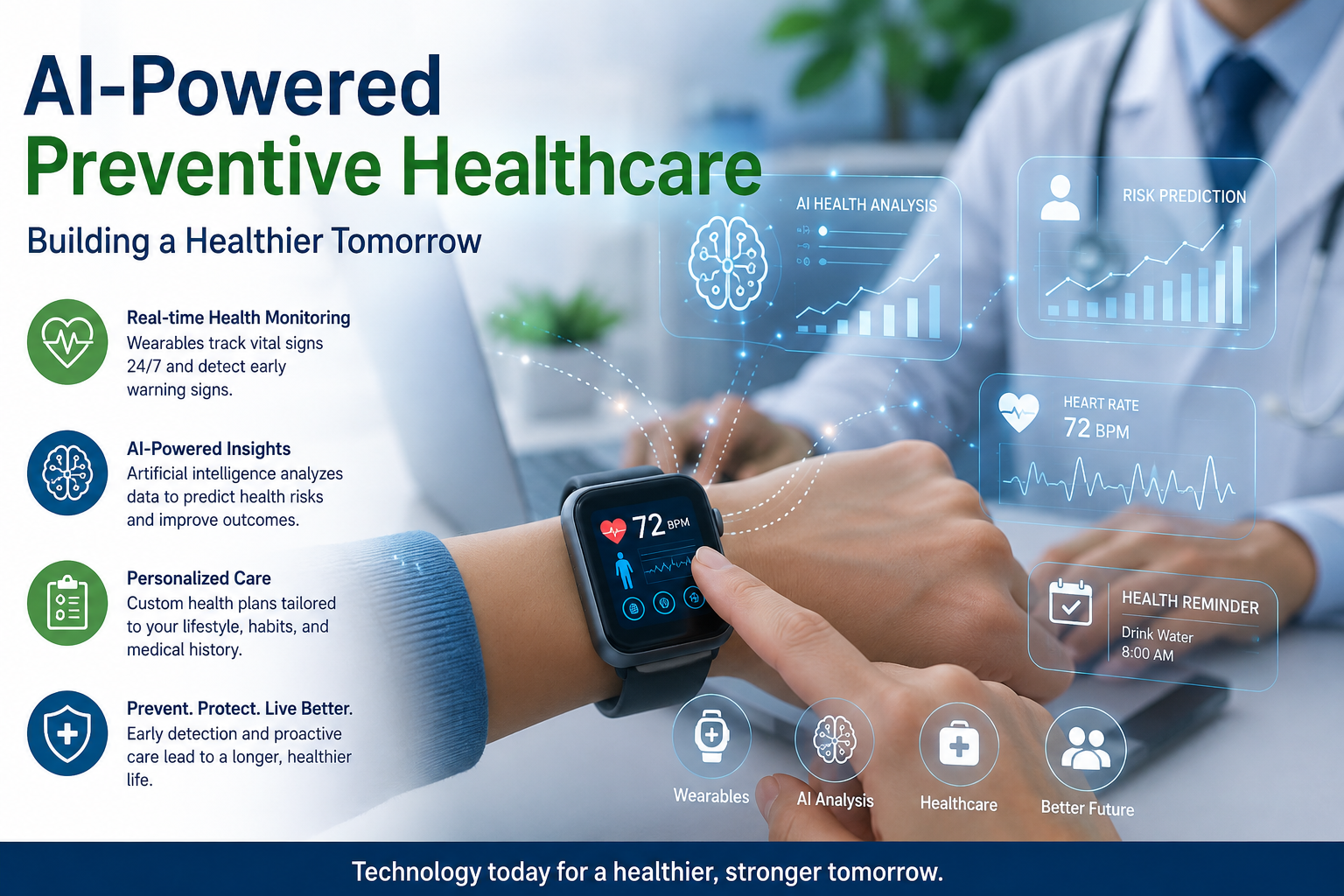
By Healthcare is undergoing a remarkable transformation in 2026, with artificial intelligence (AI) and digital health technologies playing a major role in preventing diseases before they become serious. Instead of waiting for patients to visit hospitals after symptoms appear, healthcare providers are increasingly using AI-powered tools, wearable devices, and digital platforms to monitor health in real time, identify early warning signs, and provide personalized medical advice. This shift from reactive treatment to preventive care is improving patient outcomes while reducing healthcare costs worldwide.
One of the biggest developments this year is the rapid adoption of AI-enabled health monitoring. Smartwatches, fitness bands, and connected medical devices can now track heart rate, blood oxygen levels, sleep quality, stress levels, and physical activity around the clock. These devices analyze health data continuously and alert users or healthcare professionals when unusual patterns are detected. Early detection allows doctors to intervene before conditions such as heart disease, diabetes complications, or respiratory illnesses become severe.
Artificial intelligence is also transforming primary healthcare by helping physicians make faster and more accurate decisions. AI systems can review medical records, laboratory reports, and imaging scans within seconds, highlighting potential health risks that may otherwise go unnoticed. Rather than replacing healthcare professionals, AI acts as a powerful assistant that supports doctors with evidence-based recommendations, improving diagnosis and treatment planning.
The World Health Organization (WHO) continues to promote responsible digital health innovation across the globe. In 2026, WHO expanded collaborations with research organizations and healthcare institutions to strengthen AI-powered healthcare systems, particularly for preventing and managing non-communicable diseases such as diabetes, hypertension, and cardiovascular disease. These initiatives focus on ensuring that AI technologies remain safe, ethical, and accessible to all communities.
Another significant trend is personalized healthcare. Instead of following the same treatment plan for every patient, AI analyzes an individual’s medical history, lifestyle habits, family history, and wearable device data to recommend customized health plans. Patients receive tailored suggestions for nutrition, exercise, medication reminders, stress management, and routine health screenings based on their personal risk profile. This personalized approach encourages healthier lifestyles and helps prevent chronic illnesses before they develop.
Remote patient monitoring has become increasingly important, especially for elderly individuals and people living with chronic diseases. Patients can now share vital health information with doctors without visiting hospitals frequently. Healthcare professionals receive continuous updates and can schedule consultations whenever abnormal health indicators appear. This not only saves time and travel costs but also reduces hospital overcrowding while ensuring patients receive timely medical attention.
Mental health is another area benefiting from AI advancements. Digital platforms now use artificial intelligence to identify early signs of anxiety, depression, stress, and emotional burnout through questionnaires, speech analysis, and behavioral patterns. These tools encourage individuals to seek professional support earlier, making mental healthcare more proactive and accessible. While AI cannot replace licensed mental health professionals, it can assist with early screening and continuous monitoring.
Healthcare organizations are also improving interoperability through digital health standards, enabling hospitals, clinics, laboratories, and pharmacies to exchange patient information securely. Better integration means patients experience smoother healthcare journeys, avoid unnecessary duplicate tests, and receive faster treatment across different healthcare providers. WHO continues to emphasize secure data sharing and international digital health standards to improve healthcare delivery worldwide.
Despite these exciting advancements, experts emphasize that responsible AI governance remains essential. Patient privacy, cybersecurity, transparency, and ethical decision-making must remain top priorities as healthcare becomes increasingly digital. Governments and international organizations are working together to establish clear regulations that encourage innovation while protecting patient rights and maintaining public trust.
Looking ahead, preventive healthcare will continue to shape the future of medicine. AI-powered diagnostics, wearable technologies, telemedicine, and personalized treatment plans are expected to become standard healthcare practices across many countries. As digital health ecosystems expand, millions of people may benefit from earlier disease detection, improved chronic disease management, and greater access to quality healthcare regardless of location.
For readers of Trending News Guru, this emerging healthcare revolution highlights one important message: the future of medicine is not only about treating illness but also about preventing it. With artificial intelligence, connected devices, and digital healthcare working together, patients are becoming more informed, healthcare systems are becoming more efficient, and the vision of healthier communities is becoming a reality.
Follow Us On Instagram