 By
By Mobile Security in 2026: Protecting Smartphones, Tablets, and Mobile Apps from Modern Cyber Threats
Smartphones and tablets have become essential tools for communication, banking, shopping, remote work, entertainment, and accessing cloud services. They store personal information, business documents, financial details, authentication codes, photographs, and other sensitive data. As mobile technology becomes more powerful and connected, cybercriminals are also developing more sophisticated ways to target mobile users. In 2026, Mobile Security is becoming increasingly important as organizations and individuals face threats involving malware, phishing, malicious applications, identity theft, data leakage, and AI-powered attacks.
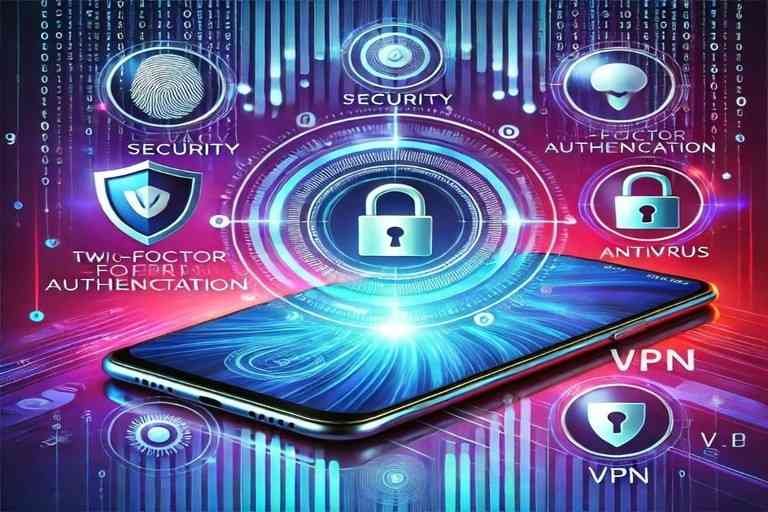
Mobile Security refers to the technologies, policies, and practices used to protect smartphones, tablets, mobile applications, networks, and the data processed through them. Effective mobile security requires multiple layers of protection, including app sandboxing, device encryption, secure authentication, software updates, threat detection, and responsible application permissions.
Why Mobile Security Matters
Mobile devices are attractive targets because they combine sensitive information, powerful applications, cameras, microphones, location services, payment capabilities, and continuous internet connectivity in a single device.
Modern mobile threats include malicious applications, phishing messages, banking malware, spyware, SIM-related attacks, insecure Wi-Fi networks, stolen credentials, and vulnerable third-party software. The GSMA’s 2026 mobile security landscape identifies software vulnerabilities, weak cyber hygiene, supply-chain attacks, pre-positioning attacks, and mobile scams among the key areas requiring attention.
For businesses, the risks are even greater because employees frequently use smartphones to access corporate email, cloud applications, customer information, and internal systems.
App Sandboxing
App sandboxing is a fundamental security mechanism used by modern mobile operating systems. It isolates applications from one another and limits what each application can access.
For example, a photo-editing application should not automatically have access to a user’s messages, banking information, or another application’s private files. Permission controls and sandboxing help restrict applications to the resources they genuinely require.
Users should carefully review application permissions and avoid granting unnecessary access to contacts, SMS messages, accessibility services, microphones, cameras, or location data.
Mobile Antivirus and AI-Powered Threat Detection
Traditional antivirus technology continues to provide an additional layer of protection, but mobile security is increasingly moving toward behavior-based and AI-assisted detection.
Modern mobile security systems can analyze application behavior and identify suspicious activities rather than relying only on previously known malware signatures. In 2026, Google has expanded AI-powered Android protections, including real-time analysis of suspicious app behavior and additional safeguards against scams and malicious applications.
AI-based security can help identify abnormal behavior such as unexpected SMS forwarding, suspicious accessibility usage, hidden application activity, or attempts to manipulate device settings.
Device Encryption
Smartphones contain enormous amounts of personal and business information, making encryption essential.
Device encryption protects stored information by converting readable data into an encrypted form that requires authorized credentials or hardware-backed security mechanisms for access. If a smartphone is lost or stolen, encryption makes it significantly harder for unauthorized individuals to retrieve sensitive information directly from the device.
Users should also ensure that cloud backups and sensitive application data are appropriately protected.
Secure Authentication
Passwords alone are increasingly insufficient for protecting mobile accounts. Attackers can obtain passwords through phishing, credential theft, data breaches, or social engineering.
Strong authentication should include:
- Multi-Factor Authentication (MFA)
- Biometric authentication
- Strong and unique passwords
- Password managers
- Device-based authentication
- Phishing-resistant authentication such as passkeys
Biometrics such as fingerprints and facial recognition can make device access more convenient while adding another layer of identity verification.
Mobile Application Security
Securing the smartphone itself is only part of the solution. Mobile applications can contain vulnerabilities that expose sensitive information or allow attackers to compromise user accounts.
A 2026 analysis of more than 150,000 mobile applications found widespread foundational security weaknesses, including weak cryptography and risks introduced by third-party dependencies.
Developers should therefore perform security testing throughout the application lifecycle. Secure API design, encrypted communication, strong authentication, secure token management, dependency scanning, code analysis, and penetration testing should all be part of mobile application development.
Mobile Security and AI Agents
An emerging security challenge in 2026 is the growing use of AI agents that can interact directly with mobile applications and device interfaces.
Recent research has demonstrated that autonomous mobile agents can be exposed to indirect prompt-injection attacks through application accessibility information and visual content. Such attacks could potentially cause an AI agent to deviate from its intended task and perform unauthorized actions.
As AI agents become more capable, mobile platforms will need stronger isolation, permission controls, context validation, and explicit authorization before agents can perform sensitive operations.
Mobile Device Management for Businesses
Organizations with large numbers of mobile devices can use Mobile Device Management (MDM) platforms to enforce security policies centrally.
MDM solutions can help organizations:
- Enforce device encryption.
- Require screen locks and strong authentication.
- Manage approved applications.
- Deploy security updates.
- Monitor device compliance.
- Remotely lock or erase lost devices.
- Separate business data from personal information.
This is particularly important for organizations using Bring Your Own Device (BYOD) policies and hybrid work environments.
Best Practices for Mobile Security
Individuals and organizations can strengthen mobile security by following several practical measures:
- Keep operating systems and applications updated.
- Install applications only from trusted sources.
- Use MFA or passkeys wherever supported.
- Avoid clicking suspicious links in SMS, email, and messaging applications.
- Review application permissions regularly.
- Use device encryption and secure screen locks.
- Avoid sensitive transactions over unsecured public Wi-Fi.
- Enable device tracking and remote-wipe capabilities.
- Back up important information securely.
- Remove applications that are no longer required.