 By
By Apple’s Smart Home Revolution: What to Expect from Apple’s October 2026 Launch
Apple is preparing for an exciting period in consumer electronics, with smart home technology becoming a major focus. On October 13, 2026, Apple is scheduled to highlight its latest innovations under the theme “Welcome Home.” The announcement has attracted attention from technology enthusiasts who are eager to see how Apple plans to improve connected living through intelligent devices, voice assistants, and home entertainment products.
While the complete product lineup and specifications have yet to be confirmed, reports suggest that Apple’s smart home ecosystem could receive significant attention. Here’s what consumers should know about this developing technology trend.
1. Apple’s Smart Home Vision
Smart home technology is changing how people interact with their living spaces. From controlling lights with voice commands to monitoring home security through smartphones, connected devices are becoming increasingly popular.
Apple has been developing its ecosystem around products such as Apple TV, HomePod, iPhone, and compatible smart home accessories. These devices work together through Apple’s software and Home app, allowing users to control supported equipment from a central location.
The upcoming October announcement could represent another step toward making smart home technology more accessible. Instead of managing multiple applications and devices separately, users may eventually be able to control more household functions through a unified Apple experience.
2. A New Smart Home Hub Could Be on the Way
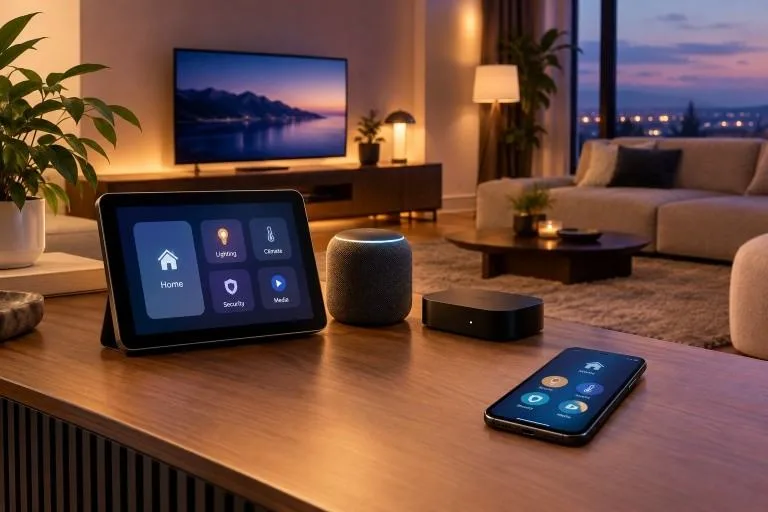
One of the most discussed possibilities is a dedicated Apple smart home hub. According to technology reports, Apple may introduce a device designed to bring home controls, information, and entertainment together on a single screen.
Such a hub could potentially display weather updates, calendar reminders, security notifications, lighting controls, and music playback. A touchscreen interface could make these functions easier to access without requiring users to pick up their iPhones.
For families, this type of device could become a convenient information center in a kitchen, living room, or hallway. Users might be able to check their schedules, manage connected lights, and view compatible security cameras from one location.
However, Apple has not confirmed all the rumored specifications or features. Consumers should wait for official announcements before making purchasing decisions.
3. Siri and Artificial Intelligence Could Play a Bigger Role
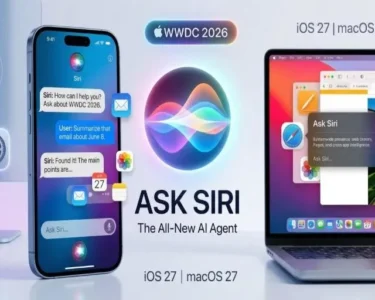
Artificial intelligence is becoming an important part of modern electronics, and Apple’s smart home ecosystem could benefit from more capable Siri interactions.
A smarter voice assistant could make everyday tasks easier by understanding requests more naturally and coordinating actions across compatible devices.
For example, a user might ask Siri to prepare the home for bedtime. Depending on the available devices and supported features, this could involve dimming lights, adjusting a compatible thermostat, and activating a security routine.
More contextual assistance could also help users manage reminders, control entertainment, and access information without navigating several menus.
Apple has already announced advances in Apple Intelligence and Siri. However, the exact AI capabilities available on any new smart home hardware will depend on Apple’s official product announcements, software releases, and compatibility requirements.
4. HomePod Mini and Apple TV May Receive Updates
Another area attracting attention is Apple’s existing home entertainment lineup.
Technology reports suggest that updated versions of the HomePod mini and Apple TV 4K could be among the products considered for this October’s announcements.
The HomePod mini is designed to provide compact audio, voice assistance, and smart home control. An updated model could potentially improve processing performance, connectivity, or Siri integration.
Meanwhile, Apple TV 4K could continue to serve as a central entertainment device for streaming films, watching television, playing games, and controlling compatible smart home accessories.
For existing users, meaningful improvements would need to offer practical benefits rather than simply introducing new hardware. Better responsiveness, smoother device integration, and more useful voice commands could make upgrades worthwhile.
These potential changes remain subject to official confirmation.
5. Privacy and Connectivity Remain Important
Convenience is only one part of the smart home experience. Security and privacy are equally important because connected devices may interact with personal information, home cameras, microphones, and daily routines.
Apple has consistently emphasized privacy as part of its technology approach. Nevertheless, consumers should review the permissions, data practices, and security settings associated with every connected device.
A reliable smart home setup should also include secure Wi-Fi, strong account passwords, two-factor authentication where available, and regular software updates.
Compatibility is another consideration. Before buying new equipment, users should check whether their existing lights, sensors, cameras, and other accessories work with Apple’s supported smart home standards.
6. What This Means for Consumers
Apple’s October smart home announcements could be important for people who want a more connected and convenient living environment. However, the best purchasing decision will depend on the features officially announced, the devices a household already owns, and the overall cost of upgrading.
Consumers who already use an iPhone, HomePod, or Apple TV may find ecosystem integration particularly useful. Others may prefer to compare Apple’s offerings with competing smart home platforms before investing.
There is no need to replace working devices simply because a new product launches. Evaluating compatibility, software support, practical benefits, and long-term value is a sensible approach.