

 By
Apple’s AI Revolution: The Future of Siri and Intelligent Personal Assistants
Artificial intelligence is becoming one of the biggest developments in the electronics industry, and Apple is preparing for what could be its next major step in AI technology. The company is reportedly exploring a more advanced AI assistant capable of performing multiple tasks across applications, websites, and digital services. This development could transform how people interact with their iPhones and other Apple devices.
According to a recent report published by The Verge on November 20, 2026, Apple is reportedly developing its own AI agent, following the appearance of a related engineering job listing. The reported project could represent an important step towards making Siri more intelligent and useful in everyday situations. The Verge
1. Apple’s Vision for a Smarter AI Assistant
For years, Siri has helped Apple users perform basic activities such as setting alarms, sending messages, checking the weather, and answering questions. However, modern AI assistants are moving beyond simple voice commands.
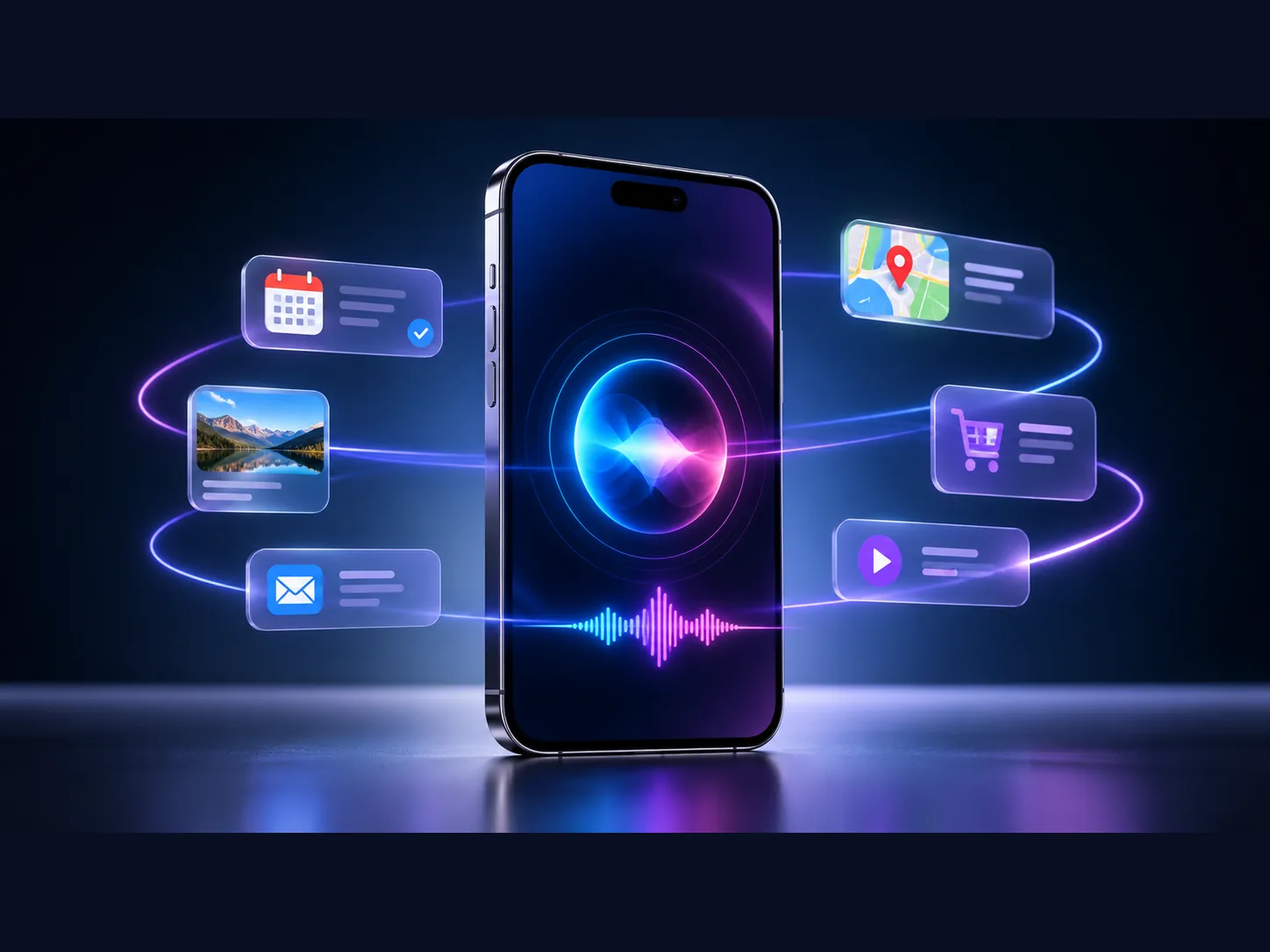
Apple reportedly wants to develop an AI system that can understand more complicated instructions and complete several connected tasks. Instead of asking users to open different applications and perform each action separately, a future AI assistant could potentially coordinate those activities.
For example, imagine asking your iPhone to plan a weekend trip. An advanced AI assistant could help research destinations, organize travel information, check schedules, and prepare relevant reminders.
These possibilities illustrate how AI could make smartphones more useful and reduce the time spent switching between applications.
2. How AI Could Transform the iPhone Experience
Apple’s AI development could introduce a more personalized smartphone experience.
Imagine being able to ask your iPhone to organize your daily schedule, summarize important messages, find specific photographs, or prepare information from multiple applications.
Rather than simply responding to individual commands, an AI-powered assistant could understand the overall purpose of a request and help complete multiple steps.
This type of technology is commonly associated with AI agents. Unlike traditional voice assistants, AI agents are designed to perform sequences of actions with less continuous input from users.
However, Apple’s reported project is still under development, and its final capabilities, launch date, and supported devices have not been officially confirmed.
3. Siri Could Become More Powerful
Siri is expected to remain an important part of Apple’s artificial intelligence strategy.
Apple has already been introducing more advanced Siri capabilities through its Apple Intelligence ecosystem. The company is working towards making its assistant more conversational, context-aware, and helpful across supported applications.
A more capable AI system could allow Siri to understand requests that involve several actions rather than responding to one instruction at a time.
For instance, users might eventually be able to request a summary of their messages, create calendar events based on the information, and organize related reminders through a single interaction.
Apple’s broader AI announcements and software developments demonstrate its interest in integrating intelligent features throughout its product ecosystem. Apple+1
4. Privacy and Security Will Be Important
One of Apple’s biggest selling points has traditionally been its focus on user privacy and security.
As AI assistants become more powerful, they may need access to personal information such as messages, photographs, calendars, and application data.
This creates an important challenge: how can an AI assistant provide personalized services without compromising sensitive information?
Apple will need to maintain strong privacy protections, transparent permissions, and secure data processing.
Users should also have control over which applications and personal information an AI assistant can access.
Privacy will be an important factor in determining whether customers feel comfortable using advanced AI features in their everyday lives.
5. What This Means for the Future of Apple Devices
The development of more advanced AI assistants could influence Apple’s entire hardware ecosystem.
Future iPhones, iPads, and Mac computers may become more capable of understanding natural language and helping users complete complicated tasks.
Students could use AI to organize study schedules, professionals could automate routine activities, and content creators could manage creative workflows more efficiently.
Developers may also benefit if Apple expands the ability of third-party applications to interact with its AI technology.
However, the actual experience will depend on Apple’s implementation, hardware requirements, software compatibility, and availability across different countries.
6. What Can Apple Users Expect Next?
Apple’s reported AI ambitions indicate that competition in the intelligent assistant market is becoming more intense.
Technology companies are increasingly investing in AI systems that can understand user instructions, interact with software, and complete tasks independently.
Apple has an opportunity to combine its hardware, software, and ecosystem into a more connected AI experience. Nevertheless, users should remember that the newly reported AI agent is not yet a confirmed consumer product.
Future announcements will help clarify how much of this vision Apple intends to bring to its devices.