 By
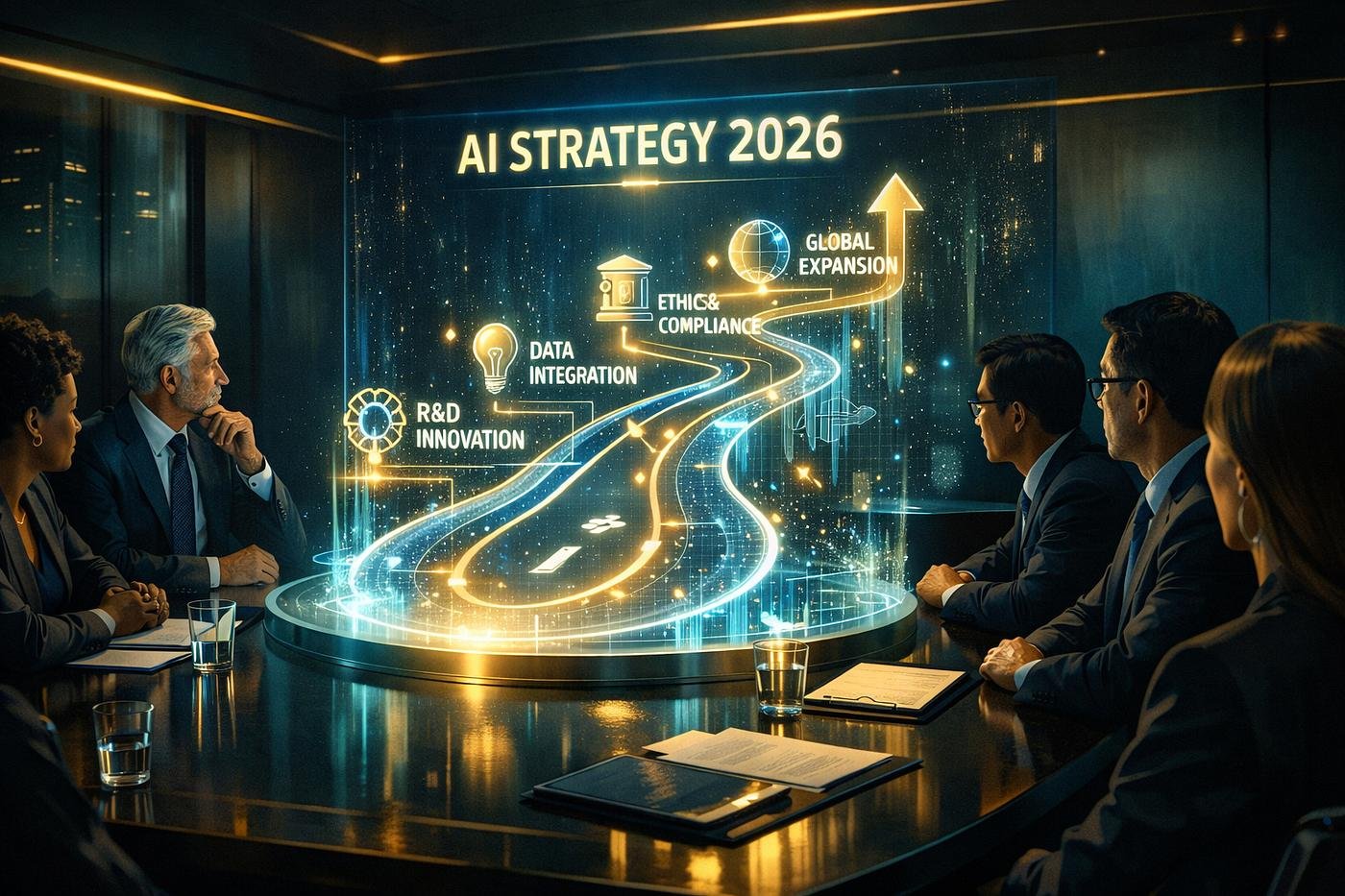
By Artificial intelligence has become one of the biggest forces influencing global business in 2026. Companies across technology, finance, healthcare, manufacturing and professional services are increasing their investment in AI to improve productivity, automate work and create new products.
However, the latest developments show that the AI boom is entering a more complicated phase. On one side, businesses and investors continue to see enormous opportunities. On the other, concerns about AI safety, regulation, investment costs and financial stability are becoming increasingly important.
Businesses Are Moving From AI Experiments to Large-Scale Adoption
Companies are no longer treating AI simply as an experimental technology. According to McKinsey’s 2026 global AI survey, nearly nine out of ten respondents report regular AI use in at least one business function, while 44% say AI is already scaling across their enterprise.
This shift means AI is increasingly becoming part of everyday business operations rather than being limited to research departments.
Huge Investments Are Fueling the AI Economy
The financial scale of the AI race is enormous. The Bank for International Settlements has warned that the world’s largest technology companies are expected to invest more than $1 trillion in AI during 2025–2026, while overall global AI investment could reach around $4 trillion by 2030.
Businesses are investing in data centers, chips, cloud infrastructure, AI models and specialized software to compete in this rapidly developing market.
AI Stocks Are Facing New Market Pressure
The AI investment boom has recently faced increased uncertainty. On September 14, 2026, AI-related stocks experienced significant pressure after leading technology executives raised concerns about the risks associated with rapidly advancing AI systems. Major semiconductor companies were among those affected.
The development demonstrates that investors are beginning to look beyond AI’s growth potential and consider questions about safety, regulation and long-term profitability.
Indian IT Companies Could Benefit From Changing AI Expectations
The latest global AI developments are also affecting India’s technology sector. On September 15, Indian IT stocks including Infosys, HCLTech and TCS experienced strong gains, while the Nifty IT index also rallied.
One reason cited for the move was investor optimism that a more cautious approach to AI development could create opportunities for traditional IT-service companies.
AI Is Creating Both Opportunities and Risks
AI can improve productivity, automate repetitive tasks and help companies make faster decisions. At the same time, rapid automation is creating concerns about employment, cybersecurity, financial stability and the need for workers to develop new skills.
The challenge for businesses is therefore not simply deciding whether to adopt AI. Companies must determine where AI creates genuine value, how to manage its risks and how to prepare employees for changing roles.
The Future Will Focus on Responsible AI
The next stage of the AI business race may be less about simply developing the most powerful technology and more about building AI that businesses can safely and reliably use.
Companies will increasingly need strong governance, cybersecurity, human oversight and responsible deployment strategies. This could create new business opportunities in AI security, compliance, consulting, infrastructure and workforce training.
Conclusion
Artificial intelligence remains one of the strongest forces shaping global business in 2026, but the conversation is becoming more mature. Businesses are still investing heavily in AI, while investors and technology leaders are paying greater attention to safety, regulation and financial risks.
The companies most likely to succeed will not necessarily be those that adopt AI the fastest. They will be those that use AI strategically, control its risks and turn technological investment into sustainable business value.